Add Row
Add Element
cropper
update

[Company Name]

update
Add Element
  • Home
  • EYM Home
  • Categories
    • Website Optimization Tips
    • Smart SEO Insights
    • Content That Converts
    • Reputation Marketing Tips
    • Social Marketing Insights
    • Smart Lead Tactics
    • Video & Media Strategies
    • Success Tips
March 17.2026
1 Minute Read

Why Most Websites Fail to Convert Traffic

Did you know over 70% of websites face serious website conversion issues—often invisibly—leaving businesses stuck with traffic that just doesn't deliver results? Even the most beautiful website can struggle to convert visitors into customers

A Startling Look at Website Conversion Issues

website conversion issues dashboard analytics review in modern office

Website conversion issues silently undermine business growth. Despite investments in web design and marketing, most sites simply fail to convert valuable traffic. It’s not just an aesthetics problem—a beautiful website alone rarely ensures a strong website conversion rate. Instead, a combination of user experience gaps, unclear value propositions, and missing trust signals often derails your results. As businesses pour resources into online channels, understanding and tackling the real problem behind poor website conversion is the key to unlocking sustained growth and genuine customer action. The stakes have never been higher: overlooked conversion problems cost companies real revenue every single day.

The Unseen Epidemic: Widespread Website Conversion Issues

"Over 70% of websites experience serious website conversion issues that go unaddressed – often due to hidden conversion problems lurking beneath the surface."

Many website owners believe they’re safe from conversion problems because their site looks appealing or generates steady traffic. Yet, conversion rate benchmarks reveal a different story. Behind closed dashboards, businesses witness staggering bounce rates, abandoned carts, and incomplete sign-ups. Low conversion rates are often the first sign of deeper, underlying challenges. Ignoring website conversion issues only widens the gap between digital investments and measurable results, leaving potential customers unengaged and brand loyalty out of reach. The unseen epidemic of poor conversion rate performance is both widespread and correctable—if you know where to look.

What You'll Learn About Website Conversion Issues

  • Key conversion problems impacting modern businesses
  • Common website conversion rate pitfalls
  • How web design and user experience fuel website conversion issues
  • Actionable strategies for improving website conversion

Understanding Website Conversion Issues

Defining Website Conversion and Website Conversion Rate

website conversion rate infographic analytics with conversion funnel

A website conversion occurs when a site visitor completes a desired action: buying a product, signing up for a newsletter, or clicking a call to action. The website conversion rate is the percentage of visitors who accomplish this goal, serving as a direct indicator of your site’s effectiveness. For example, if 100 people visit your landing page and 4 make a purchase, your conversion rate is 4%. Higher conversion rates mean your web design, user experience, and messaging align to move users toward action.

Why do these measures matter? Because website conversion issues can derail even the most beautiful website, causing traffic to leak out at every stage of the user journey

To further enhance your website’s ability to convert, consider how integrating engaging media can influence user behavior and trust. For example, leveraging video media marketing strategies can help clarify your value proposition and keep visitors engaged longer, which often leads to higher conversion rates.

How Website Conversion Issues Impact Businesses

Poor website conversion rate is more than a metric—it’s a direct threat to profitability. For businesses, conversion problems create wasted ad budgets, declining revenue per visitor, and missed growth opportunities. If conversion rates fall below industry standards, marketing spend has to increase just to maintain sales volume. Worse, low-converting websites erode trust, reducing brand equity over time.

Businesses eventually notice real problems: high bounce rates, abandoned shopping carts, and a lack of meaningful engagement despite sophisticated web design or frequent content updates. With conversion problems left unchecked, websites are built to inform but fail to inspire real action. Recognizing website conversion issues early allows for targeted fixes—like improving trust signals or clarifying the call to action—which can dramatically increase ROI and customer satisfaction.

Comparison of Website Conversion Rate Across Industries
Industry Average Website Conversion Rate High Performers
E-commerce 2.0% – 3.5% 6%+
B2B Services 2.2% – 4.1% 7.5%+
Financial 4.7% – 6.1% 10%+
Travel & Hospitality 2.4% – 3.3% 5.6%+
Lead Generation 3.1% – 5.0% 8%+

Why Isn't My Website Converting?

Common Reasons Behind Website Conversion Issues

  • Poor user experience
  • Lack of trust signals
  • Unclear next steps
  • Unoptimized beautiful website design

Many website owners grapple with the common reasons that impact the website conversion rate. They may spend resources on creating a beautiful website, only to realize that a visually pleasing site still struggles with conversion problems. The reality is, a beautiful website is not always an effective website. Poor user experience, unclear calls to action, and slow load times are frequent culprits undermining your efforts. When visitors encounter confusing navigation or inconsistent branding, their confidence in your site—and your business—can plummet.

Additionally, the lack of trust signals and the absence of a clear next step lead to a higher bounce rate and missed business objectives. Optimizing for conversion means more than design; it’s about guiding every user toward action with logical layout, concise content, and well-placed calls to action. Continual website audit and improvement are required to stay ahead of evolving standards and shifting user expectations. An effective converting website is engineered, not just designed.

Diagnosis: Website Conversion Problems in Action

Spotting website conversion issues in real time can be challenging. Analytics might show consistent traffic, but if engagement and conversions remain low, deeper conversion problems may be hidden. Real-world evidence typically surfaces in slow-moving sales pipelines, confusing checkout processes, or abandoned contact forms. Even a beautiful website with good web design and branding can struggle, if it neglects trust signals or mobile responsiveness. Business owners must proactively seek out these drop-offs by reviewing heatmaps, session recordings, and feedback to highlight exactly where website conversion issues rear their head.

Don’t hesitate to run a website audit or book a website review with a conversion specialist. The “real problem” often lies in small but critical user experience oversights—like missing trust signals, overly complicated forms, or pages that take too many seconds to load. Once diagnosed, even stubborn conversion problems can be reversed with focused, data-driven strategies and a fresh perspective on your website conversion rate.

The Biggest Conversion Rate Challenges

Core User Experience Obstacles Causing Website Conversion Issues

A seamless user experience is fundamental for strong website conversion. Yet, many sites fall short: complex navigation, slow page speed, and information overload make visitors work too hard. If a page takes longer than three seconds to load, studies show most users abandon the site, highlighting the need for compress images and pagespeed insights in your regular audits.

The “common website” often lacks mobile optimization, missing out on a huge share of potential conversions from mobile users. A poor mobile experience combines tiny touch points, clumsy forms, and inconsistent layouts—leading to frustration and high abandonment rates. To convert visitors, every interaction must be frictionless and intuitive. Businesses should regularly review the website conversion rate on different devices, adapt to user behavior, and ensure calls to action are prominent and easy to find.

Trust Signals: Why Visitors Don’t Convert

website conversion trust signals handshake professional setting

Trust is the linchpin of online conversion. When visitors are unsure if your site is secure or your business is credible, they hesitate to submit personal info or complete purchases—even on a beautiful website. Essential trust signals like SSL certificates, clear contact info, privacy assurances, authentic testimonials, and visible social proof provide the confidence users need to convert.

Websites often overlook the impact of trust signals. Outdated design, missing security badges, or a lack of transparent messaging create friction and suspicion. By integrating these elements during web design, you assure visitors that their experience is safe and legitimate—directly boosting your website conversion rate and minimizing conversion problems.

Checklist of Essential Trust Signals for Website Conversion
Trust Signal Purpose Impact
SSL Certificate Secures personal info and transactions Increases user confidence
Verified Reviews Demonstrates real results and credibility Boosts conversions and social proof
Contact Info Shows transparency and approachability Reduces skepticism
Privacy Policy Clarifies treatment of personal info Reduces hesitation to share data
Associations/Certifications Links your business with trusted organizations Strengthens brand trust

The Role of Web Design in Website Conversion Issues

Beautiful Website vs. Effective Website Conversion Rate

The real problem? Websites built around looks can leave users confused or unsure about the next steps—lowering conversions despite plenty of traffic

Audit your website regularly: Is your design helping or hindering user experience? Clarity, clear next steps, and page speed must all be at the forefront—only then will your beautiful website translate into real business results

Design Mistakes That Trigger Website Conversion Issues

  • Confusing navigation
  • Inconsistent branding
  • Slow loading times

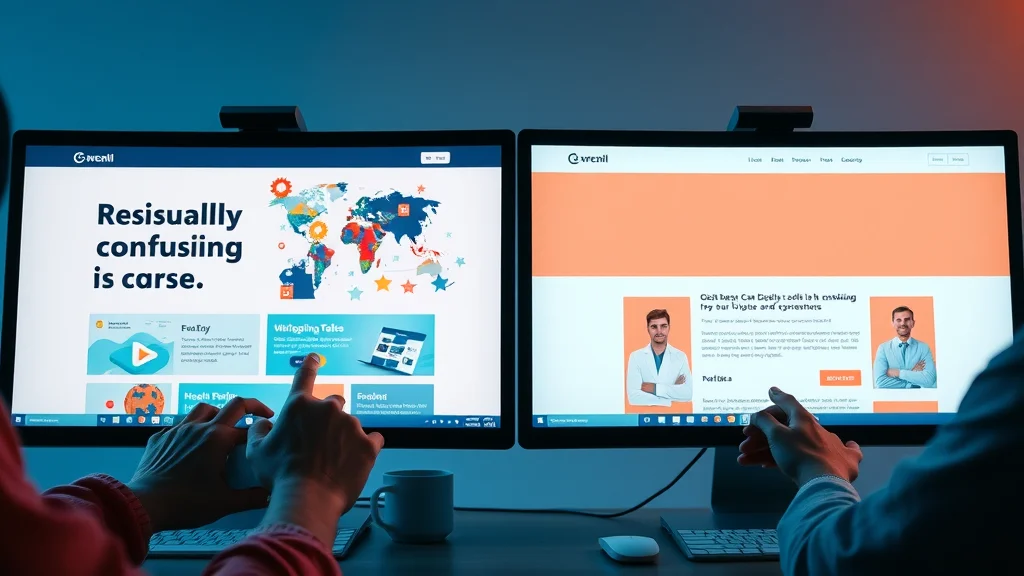
confusing website design vs. clean conversion-focused design comparison

Major web design mistakes can trigger a domino effect of website conversion issues. Confusing navigation frustrates visitors searching for content or products, leading to abandonment. Inconsistent branding erodes trust, while slow loading times—whether due to uncompressed images or cluttered scripts—prompt users to leave before pages even render.

Optimizing site elements for both aesthetic appeal and performance is critical. Use tools like Google Pagespeed Insights to identify and correct slow load times. Above all, your design should make calls to action and value propositions impossible to miss. If your web design prioritizes flash over function, it’s time to rethink the user experience in service of a higher conversion rate.

The Psychology of Website Conversion Issues

Cognitive Biases and Online Behavior

user experience psychology website conversion rate cognition

Human psychology plays a decisive role in website conversion. Users bring subconscious biases—like the desire for instant answers, social proof, and simplicity—to every online interaction. Overloading visitors with options or complex forms triggers decision fatigue, a common reason for conversion problems. On the flip side, clear calls to action, trust signals, and personalized journeys appeal to innate mental shortcuts and encourage decisive action.

Favoring clarity over cleverness often boosts conversion rate. Site elements should support quick comprehension and reinforce visitor trust. Effective design keeps the cognitive load light, using white space and a logical flow to make the journey effortless. Ultimately, winning websites craft experiences that align with natural human tendencies to inspire real results.

How Clarity and Trust Drive Website Conversion Rate

Clarity is the foundation for building trust and action—a crucial point often missed in web design. A streamlined interface, obvious next steps, and easy-to-read content foster confidence in users. Pairing clarity with visible trust signals not only answers doubts but also invites deeper engagement.

When visitors know who you are, what to expect, and feel safe sharing their personal info, conversion rates rise. Smart businesses continually evaluate and refine both messaging and design to maintain this delicate trust—and by extension, greater long-term success.

Common Reasons for Conversion Problems

"A beautiful website is not enough: website conversion issues often stem from ignored user intent."
  • Lack of personalization
  • Poor mobile optimization
  • Information overload
  • Weak calls to action

Ignoring user intent is one of the most common reasons for website conversion problems. Personalization is often the missing ingredient: generic content and experiences make users feel unseen, reducing engagement. Poor mobile optimization is another major culprit—if visitors have to pinch, zoom, or navigate clunky menus, they quickly leave for competitors.

Info overload—displaying too much at once—overwhelms and confuses users, diminishing the effectiveness of even the most beautiful website. Finally, weak or missing calls to action mean users don’t know what to do next. Addressing these real problems through focused design, concise messaging, and regular conversion rate audits transforms passive browsers into active, delighted customers.

Is a 50% Conversion Rate Good?

Benchmarks for Website Conversion Rate

In digital marketing, context is everything. An overall website conversion rate of 2-5% is considered strong in most industries; exceeding 10% often puts a site in the top echelon. A 50% conversion rate, while possible for highly targeted landing pages or niche lead forms, is exceptionally high for most websites. Realistic benchmarks vary based on industry, audience targeting, and conversion goals.

Understanding these nuances is crucial. Comparing your website conversion rate against accurate industry baselines allows you to spot underperformance early and set attainable optimization goals. Outliers—with rates as high as 50%—usually benefit from ultra-specific offers, a small and motivated audience, or strict funnel segmentation. But for the “common website,” aiming for steady, incremental gains is the path to sustainable improvement.

What High or Low Website Conversion Rate Means for You

A higher-than-average conversion rate signals that your web design, user experience, and messaging are working harmoniously. It means most visitors follow through on your calls to action and complete desired steps. Conversely, a low conversion rate—especially one below industry averages—indicates conversion problems that need immediate attention. It’s a prompt to review your website audit practices, optimize trust signals, and clarify your unique value.

Whether your site is underperforming or near industry leaders, ongoing improvements and regular feedback are indispensable. The goal isn’t perfection, but progress—a constantly optimizing website conversion rate that grows alongside your business.

Diagnosing Website Conversion Issues: A Step-by-Step Guide

  1. Analyze website analytics
  2. Identify conversion funnels
  3. Spot major drop-off points

Diagnosing website conversion issues begins with a deep dive into analytics data. Track where visitors land, how they interact with your site, and when they drop off. A conversion funnel maps the typical user journey, revealing points of friction or abandonment. Apply heatmaps and session recordings to visualize user behavior and discover patterns that might not be obvious through numbers alone.

Zero in on major drop-off points—pages where engagement plummets or calls to action are ignored. Issues like slow load times or unclear navigation often reveal themselves here. With data-driven insights in hand, you’ll be ready to implement targeted fixes and measure improvements through repeat website audits. The more often you review, the faster you’ll catch and correct conversion problems before they hurt your bottom line.

How to Improve Website Conversion

Actionable Steps to Fix Website Conversion Issues

  • Enhance user experience
  • Strengthen trust signals
  • Clarify the next step
  • Continuous A/B testing

Fixing website conversion problems isn’t about wholesale redesign—it’s about continuous improvement. Start with user experience enhancements: streamline navigation, compress images for faster load times, and ensure every interaction, especially on mobile, is smooth and intuitive. Strengthen trust signals with clear privacy policies, visible contact details, verified reviews, and consistent branding throughout your beautiful website.

Clarifying the next step is crucial. Prominently display calls to action and guide visitors through each stage with concise instructions and visual cues. Finally, embrace regular A/B testing: experiment with headlines, layouts, and button placements to reveal what resonates best. Approach conversion rate optimization as an ongoing process, underpinned by analytics, user feedback, and a willingness to test and adapt.

Using Data: Leveraging Analytics to Address Website Conversion Issues

Analytics are your secret weapon for conquering website conversion issues. Tools like Google Analytics and Hotjar reveal bottlenecks, while pagespeed insights highlight technical delays. Establish a habit of running regular website audits—focus on conversion rate metrics, bounce rates, and event tracking to find the story behind the numbers.

Look for patterns: Are users abandoning after reading just one section? Does one call to action outperform another? Does your mobile experience lag behind desktop? By leveraging hard data, you move beyond guesswork, enabling targeted changes that deliver measurable, real results

Expert Insights: Overcoming Website Conversion Issues

"Conversion problems persist even on the most beautiful websites. Understanding your users is key to achieving a higher website conversion rate."

Experts agree: the path to a higher conversion rate is rooted in empathy. When you truly understand your users—their desires, anxieties, and journey—you can shape a web experience that meets them exactly where they are. Continual engagement with analytics, rapid iteration on design elements, and a relentless focus on trust signals together raise site performance and customer satisfaction. Every conversion is won through clarity, trust, and constant optimization.

FAQs: Navigating Website Conversion Issues

  • How often should I assess my website conversion rate?
    It’s best to review your website conversion metrics at least monthly. For sites with heavy traffic or frequent updates, weekly website audits help catch emerging issues early and maximize opportunities for improvement.
  • What’s the fastest way to fix a conversion problem?
    Start by identifying your biggest friction point—often poor load times, confusing CTAs, or lack of trust signals. Prioritize fixes that address these “leaks,” such as updating CTAs, compressing images, and making your site mobile-friendly.
  • Should I prioritize design or content for better website conversion?
    Both matter, but clear messaging and user-friendly design must work together. Your most beautiful website should never distract from your core value proposition or the next step for visitors.

People Also Ask: Website Conversion Issues

Why isn't my website converting?

A website may not be converting due to poor user experience, lack of a clear value proposition, confusing navigation, or insufficient trust signals. Addressing these website conversion issues requires analyzing visitor behavior and optimizing both design and content.

What are the challenges of conversion?

Major challenges of website conversion include low engagement, unclear calls to action, misaligned messaging, technical errors, and weak follow-up strategies. Tackling these conversion problems helps lift website conversion rate.

Is a 50% conversion rate good?

A 50% website conversion rate is exceptionally high. Most industries consider 2-5% as strong. High conversion rates depend on accurate audience targeting and industry context.

How to improve website conversion?

To resolve website conversion issues, focus on enhancing site speed, usability, messaging, and trust signals. Testing new layouts, simplifying forms, and using clear calls-to-action can drive tangible improvements.

Key Takeaways: Solving Website Conversion Issues

  • Address website conversion issues with a data-driven approach
  • Optimize user experience and trust for better conversion rate
  • Regularly review and refine your beautiful website and strategies

Take the Next Step: Audit Your Site for Website Conversion Issues Today

Ready to transform your results? Conduct a thorough website audit, identify areas for improvement, and prioritize user experience for sustainable growth

If you’re eager to take your website’s performance to the next level, exploring the power of multimedia can be a game-changer. Incorporating dynamic content such as video not only boosts engagement but also builds trust and communicates your message more effectively. For a deeper dive into how video can elevate your marketing and drive even stronger conversion results, discover the latest insights and strategies on video media marketing. Unlock new ways to connect with your audience and turn more visitors into loyal customers.


Website Optimization Tips

0 Comments

Write A Comment

*
*
Please complete the captcha to submit your comment.
Related Posts All Posts
03.07.2026

Website Optimization Strategies That Increase Conversions

Did you know that nearly 70% of online businesses lose customers due to poor website performance? In today’s digital environment, website optimization can no longer be considered optional Unlocking Higher Conversion Rates: Why Website Optimization Matters “Nearly 70% of online businesses lose customers due to poor website performance. Effective website optimization is no longer optional—it’s mission-critical.” Optimizing your website isn’t simply about making web pages load faster—it’s a comprehensive process that ensures every aspect of your online presence is primed to convert visitors into customers. A slow page load, confusing navigation, or poor mobile devices experience can discourage users, tank your conversion rate, and push you lower in search engine rankings. With millions of options just a click away, your visitors won’t wait for a sluggish site or struggle with cluttered interfaces. Website optimization delivers a clear path for both users and search engines. Better-optimized websites rank higher, engage users longer, and inspire trust. That’s why businesses that invest in continuous optimization efforts and data-driven decisions consistently witness increased conversion rates. By focusing on website performance and experience, you’re not just attracting more traffic—you’re converting more visitors into loyal customers. What You’ll Learn in This Comprehensive Website Optimization Guide Key concepts and actionable website optimization strategies The latest web optimization tools and analytics tools How to enhance website performance and page speed for better conversion rate Proven methods for increasing user experience and conversion rates Understanding Website Optimization: The Core Concepts What is Website Optimization? Website optimization is the science and art of maximizing your website’s potential. This means improving aspects like user experience, site speed, content relevance, conversion rate, and search engine friendliness. When you optimize your website, you remove obstacles in your user’s journey—whether it’s by shortening page load times or making navigation instinctive. This process involves structured tweaks and ongoing analysis through analytics tools, ensuring every change aligns with your business goals and reaches your target audience effectively. Contrary to the misconception that website optimization just boosts rankings, it also directly influences your primary objectives: getting potential customers to take meaningful actions, be it signing up, contacting you, or making a purchase. With an effective optimization tool stack, you can continuously improve your site, outperform competitors, and remain agile in a fast-evolving digital marketplace. For a deeper dive into specific website optimization techniques and actionable steps you can implement right away, explore this comprehensive guide on website optimization methods that drive measurable results. It offers practical tips and proven tactics to further enhance your site's performance and conversion potential. Difference Between SEO and Website Optimization While search engine optimization (SEO) and website optimization share common ground, they differ in their core focus. SEO specifically targets better visibility in search engines like Google by improving keywords, meta tags, backlinks, and page structure for higher rankings. In contrast, website optimization takes a broader approach, encompassing not just SEO, but also technical performance, content quality, conversion rate, and overall user experience. Website optimization goes beyond getting users to your site; it’s about what happens after they arrive. Effective web optimization ensures responsive design for mobile devices, reduces load time, improves landing page clarity, and guides users toward conversions through A/B testing and other rate optimization tactics. So, SEO is a crucial component, but a fully optimized website delivers holistic value by addressing the needs of both users and algorithms. The 7 C’s of a Website: Foundations of Website Optimization A truly optimized website embodies the 7 C’s: Content, Context, Community, Customization, Communication, Connection, and Commerce. Each pillar plays a distinct role: Content: Provides value and relevance Context: Aligns your site with user needs and industry trends Community: Encourages user engagement and loyalty Customization: Personalizes user experience for higher conversions Communication: Delivers clear, consistent messaging and support Connection: Integrates with social media, partners, and platforms Commerce: Seamlessly enables sales, bookings, or other transactions Optimizing each “C” sets a strong foundation for increased conversion rates and long-term digital success. Key Benefits of Effective Website Optimization Increase in conversion rate and conversion rates Enhanced user experience Boosted rankings in search engines Higher engagement on landing page When you commit to website optimization, you position your site for measurable success. For one, you’ll see a direct uptick in conversion rate—whether your goal is more sales, sign-ups, or downloads. Users linger longer and explore further thanks to streamlined design and fast page speed. With a better user experience, your visitors become repeat customers and even advocates. This focus on user-centric design and technical performance also has a direct impact on your search engine rankings. Search engines reward sites that load quickly, are easy to navigate, and provide quality experiences. The compounding benefits include higher landing page engagement and reduced abandonment, strengthening your digital presence and ROI. Strategic Steps for Successful Website Optimization Step 1: Analyze Your Website Performance with Analytics Tools Google Analytics Hotjar Crazy Egg optimization tool The journey to effective website optimization starts with a thorough understanding of your current performance. By utilizing analytics tools such as Google Analytics, Hotjar, and Crazy Egg, you gain valuable insights into visitor behavior, page load bottlenecks, and high-exit points. These optimization tools track how users interact with your site, where they drop off, and which pages convert best. This data-driven approach ensures that you’re optimizing the right elements, not just making changes based on guesswork. With detailed heatmaps, session recordings, and custom events, you can pinpoint what’s working and what needs improvement. These findings fuel the rest of your optimization efforts, enabling you to set clear goals and prioritize changes that will have the most significant impact on both website performance and conversion rates. Step 2: Identify and Improve Key User Experience Elements Navigation structure Mobile responsiveness Readability and content formatting After gathering data on your site’s usage, focus on what matters most: the user experience. Start by refining your navigation structure—ensure it’s intuitive and allows users to find what they’re looking for in as few clicks as possible. Consider how your menus, internal links, and calls-to-action are arranged for clarity and ease of use. Enhance mobile responsiveness so that visitors on smartphones and tablets have a seamless experience. This isn’t just best practice; search engines increasingly prioritize mobile-friendly sites. Finally, improve your content’s readability—use descriptive headings, break up long paragraphs, and enrich key sections with multimedia. Well-formatted content not only improves comprehension but also guides users smoothly toward conversion. Step 3: Increase Page Speed and Improve Page Load Times Optimize images and media Minimize CSS/JS Leverage browser caching Top page speed optimization tools Site and page speed are at the heart of website optimization. A one-second delay in load time can slash conversions by up to 7%. To boost speed, compress and resize images without sacrificing quality, and defer offscreen media for quicker initial loads. Streamline code by minimizing CSS and JavaScript, reducing requests made during page load. Leverage browser caching so frequent visitors experience lightning-fast loads. Employ optimization tools like Google PageSpeed Insights, GTmetrix, or Lighthouse to identify issues and monitor improvements. These changes don’t just benefit your users—they’re also prized by search engine algorithms, raising your position in google search results. Step 4: Optimize Your Website for Conversion Rate Optimization A/B testing Effective landing page design Clear calls to action With a fast, user-friendly site in place, focus on conversion rate optimization (CRO). A/B testing lets you compare variations of headlines, layouts, button colors, and calls-to-action to determine what resonates most with your audience. Start simple: test one element at a time for clean, actionable results. Reimagine your landing page design for impact—incorporate persuasive copy, strong visuals, trust signals, and above-the-fold calls-to-action. Make sure buttons are visually prominent and copy is concise but compelling. A structured CRO strategy will turn website visitors into paying customers and strengthen your entire sales funnel. Website Optimization Tools: Choosing and Using the Best Tool Features Pros Cons Cost Google Analytics Traffic analysis, goals, funnels, conversion tracking Robust, free, universal adoption Complex, steep learning curve Free Hotjar Heatmaps, session recordings, feedback polls Visual, intuitive, great for UX insights Limited features on free plan Free & Paid Crazy Egg Click tracking, heatmaps, A/B testing User-friendly, actionable insights Paid plans required for most features Paid PageSpeed Insights Speed analysis, performance suggestions Free, detailed reports, direct from Google Limited to speed, not UX Free Optimizely A/B testing, experimentation platform, analytics Enterprise-grade, deep segmentation Expensive for small businesses Paid Enhancing User Experience for Higher Conversions Role of User Experience in Web Optimization A superior user experience is the linchpin of successful website optimization. When your web pages load quickly, display well on all devices, and offer clear navigation, users are more likely to engage and convert. Modern search engines increasingly weigh user experience alongside traditional ranking factors, meaning UX excellence boosts both organic reach and satisfaction. Enhanced user experience also lowers bounce rates and keeps visitors moving through your funnel. As part of your optimization, continuously gather and implement user feedback, refine journeys, and test new design elements to keep your site intuitive, accessible, and enjoyable for all. Best Practices for a User-Centric Optimized Website Personalized user journeys Intuitive design Descriptive headings and multimedia Begin by mapping personalized user journeys based on visitor intent and behavior patterns identified through analytics tools. Tailor content and product recommendations, and simplify navigation with clear menus, search bars, and contextual links. Intuitive layout and visual cues, such as card-based designs or sticky calls-to-action, guide users without overwhelming them. Utilize descriptive headings and integrate engaging multimedia—like explainer videos, infographics, or interactive widgets—to improve information retention and appeal to different learning styles. Cohesive typography, color schemes, and consistent branding reinforce trust and make your site memorable. These best practices transform ordinary websites into digital experiences that convert. Leveraging Technical SEO for Comprehensive Website Optimization On-Site Technical SEO Fundamentals Meta tags Schema markup Site architecture Technical SEO forms the structural backbone of website optimization. Begin by optimizing meta tags—ensuring each page’s title and description are unique, descriptive, and keyword-rich for maximum visibility in google search. Implement schema markup to enhance how your listings appear in search engines with rich snippets, reviews, or FAQs. Audit your site architecture to maintain logical, shallow navigation. Every important page should be accessible within a few clicks from the homepage to distribute authority and appeal to search engine crawlers for improved indexing. Mobile-friendliness, SSL certificates, and clean URLs are also crucial, ensuring both crawlers and users appreciate your optimized website. Site Speed: A Critical Search Engine Ranking Factor How site speed impacts google search, page speed, and technical SEO Site speed is one of the most direct ranking factors in modern search engines. Fast websites not only improve user experience, but also offer a competitive edge in google search by meeting technical SEO standards. Slow load times frustrate users, causing higher bounce rate and lost potential customers. Speed up your website by leveraging CDNs (Content Delivery Networks), choosing lightweight themes, and routinely auditing with optimization tools. Prioritizing site speed is critical for long-term ranking, engagement, and ultimately, greater conversion rates. Conversion Rate Optimization Tactics That Drive Results Case Study Optimization Change A/B Test Result Lift in Conversion Rate E-commerce Landing Page Added trust badges, improved call-to-action B variant outperformed A +20% SaaS Lead Gen Page Simplified form, removed distractions B variant outperformed A +33% B2B Service Site Integrated testimonial slider, clearer benefits B variant outperformed A +26% A/B testing is the engine behind effective rate optimization. The above cases demonstrate how minor adjustments—from adding trust signals to simplifying forms—can generate significant jumps in conversion rate. Run regular tests, analyze results with your analytics tool, and scale winning ideas sitewide for dramatic ROI improvements. Landing Pages: Optimizing Your Website’s Entry Points Key Elements of a High-Converting Landing Page Compelling headlines Persuasive copy Trust signals Strong visuals Landing pages are the front door to your site for many visitors, especially from ads and organic search. High-converting landing pages combine compelling headlines that immediately address user intent, clear and benefit-driven copy, prominent trust signals (such as reviews or guarantees), and conversion-oriented visuals. Top-performing pages focus on one goal, minimize distractions, and place their main call-to-action above the fold. Use strategic color contrast, authoritative quotes, and relevant imagery to direct attention. A/B test multiple versions to identify what resonates with your target audience—even subtle changes can unlock major conversion rate improvements. Utilizing Analytics Tools for Continuous Website Optimization Integrating Website Optimization Tools with Analytics Tracking conversion rates Monitoring website performance improvements The most successful sites are those that never stop optimizing. Integrate your chosen website optimization tools with robust analytics tools to create a feedback loop: identify weak points, implement changes, and observe the impact. Set up tracking for conversion rates, user paths, drop-offs, and technical KPIs. Regularly monitor website performance metrics to validate hypotheses, avoid stagnation, and predict emerging issues. Automated reporting and dashboards help your team stay proactive, letting you focus on scaling what works and fixing what doesn’t. Common Pitfalls in Website Optimization (and How to Avoid Them) Neglecting mobile optimization Overlooking site speed Misusing optimization tools Even seasoned marketers can falter if they ignore core areas. Skipping mobile optimization alienates a growing wave of visitors who browse and purchase on their phones and tablets. Overlooking site speed risks ranking penalties, poor user experience, and lost conversions. Finally, misusing optimization tools—like interpreting heatmaps without context or running too many simultaneous A/B tests—can lead you astray. To stay ahead, always validate data against user feedback, and balance analytics with a holistic understanding of your audience’s real needs. Continuous training and clear KPIs ensure your optimization efforts remain focused and effective. Key Metrics for Measuring Website Optimization Success Bounce rate Average session duration Conversion rate Core Web Vitals Focus on stats like: bounce rate (can you keep visitors engaged?), average session duration (are they spending time exploring?), conversion rate (are changes leading to more action?), and Google’s Core Web Vitals (real-world performance and user-centric metrics) People Also Ask: Website Optimization Insights How can I optimise my website? To optimize your website, start by auditing your current site with analytics tools to identify weaknesses. Revamp your navigation for ease-of-use, ensure your design is mobile-responsive, improve page speed by compressing images and streamlining code, and implement CRO principles with strong calls-to-action. Monitor results and iterate based on real performance data. Detailed steps: Audit current site, optimize your website structure, improve user experience, use optimization tools, and monitor conversion rate. Begin with a detailed audit using tools like Google Analytics or Hotjar. Next, clean up your site architecture by simplifying menus and improving logical flow. Address critical user experience factors—layout, speed, readability, and mobile friendliness. Use optimization tools for A/B testing and ongoing analysis, always keeping an eye on your site’s conversion rate and user feedback to fuel continuous improvement. What is the difference between SEO and website optimization? SEO centers on improving a site’s search engine rankings through keyword targeting, backlinks, and meta improvements. In contrast, website optimization covers every aspect of making your web presence more effective—technical performance, conversion rate, user experience, and business outcomes. Both are crucial but serve distinct purposes in the digital marketing ecosystem. SEO focuses on improving a site’s visibility in search engines, while website optimization encompasses enhancing overall website performance, user experience, and conversions. In short, SEO draws people to your site, but website optimization ensures they have a great experience and are likely to convert. What are the 7 C's of a website? The 7 C’s are content, context, community, customization, communication, connection, and commerce. The 7 C's are content, context, community, customization, communication, connection, and commerce. Together, these pillars form the framework of a successful, high-converting website. Is SEO worth it anymore? Yes—SEO remains a critical part of website optimization and digital marketing, continuously influencing search engine ranking and attracting qualified traffic. When paired with holistic optimization, it amplifies results and drives sustainable growth. Yes. SEO remains a crucial part of website optimization and digital marketing, affecting search engine rankings and attracting qualified traffic. Even with other channels rising, SEO holds its value as a cornerstone of online success. Frequently Asked Questions (FAQs) About Website Optimization How often should I review my website optimization strategy? Review quarterly, or after major changes or spikes in traffic. Regular reviews ensure your site stays aligned with evolving user preferences and search algorithm updates. What is the quickest way to boost my conversion rate? Identify high-traffic pages and improve calls-to-action, headline clarity, and eliminate distractions. A/B testing these elements can yield fast wins. Which optimization tool is best for small businesses? Start with Google Analytics for insights, then add Hotjar for UX feedback. Both offer free versions with powerful features for small sites. Key Takeaways on Website Optimization and Conversion Growth Website optimization is essential for conversion rate improvement User experience and technical SEO have direct impacts Ongoing analytics and optimization tool use are critical for long-term success If you’re ready to take your optimization efforts to the next level, consider expanding your strategy to include advanced SEO techniques. Mastering search engine optimization not only amplifies your website’s visibility but also complements your conversion-focused improvements for sustainable growth. Discover how to boost your organic traffic and unlock even greater results by exploring our in-depth resource on mastering SEO for rapid traffic growth. Elevate your digital marketing approach and position your business for long-term success. Ready to Boost Your Website Performance and Conversion Rates? Get Started with Our Expert Audit Today! Don't let your website’s potential go untapped. Contact our team for a complimentary optimization audit and start increasing your conversion rates today!

02.17.2026

How to Increase Website Conversion Rates Without Guesswork

Did you know over 70% of websites lose potential customers due to preventable conversion issues? If you’re tired of seeing visitors leave without taking action, it’s time to stop guessing. In this guide, you’ll learn exactly how to increase website conversion rates with proven, scientific methods—no wild stabs in the dark, just data-driven success. Discover how to optimize every step of your visitor journey, from the landing page all the way to checkout, and build lasting trust with every click. Ready to turn more of your traffic into paying customers?Unlocking the Secret to How to Increase Website Conversion Rates: The Data Behind Digital GrowthThe key to how to increase website conversion rates lies in using real data—not opinions—to make impactful changes. Countless businesses try improving their conversion rates through gut instinct or trends, but true digital growth happens when you apply analytics, research, and testing. Whether you're an ecommerce site striving to boost cart completions or a service business collecting more leads, your website conversion rate is one of your most important business health indicators.Start by analyzing user behavior through tools like Google Analytics, Hotjar, or dedicated rate optimization platforms. Identify where potential customers are dropping out of the funnel, which landing pages underperform, and which elements snag attention. Use A/B testing to validate changes before full rollout, ensuring your efforts are guided by real results. With over 70% of businesses losing sales due to overlooked conversion opportunities, integrating a data-focused approach puts you ahead of the pack.Startling Statistic: Over 70% of websites lose potential customers due to preventable conversion issues—learn to increase your conversion rate using science, not guesswork.What You'll Learn: Practical, actionable tactics on how to increase website conversion rates; leveraging conversion rate optimization, rate optimization tools, landing page improvements, and more.Why Website Conversion Rates Matter for Business GrowthIt’s impossible to grow your digital presence without understanding conversion rates and their impact. Simply driving traffic isn’t enough—what matters is how many site visitors become customers or leads. For ecommerce companies, this is measured as the ecommerce conversion rate : the percentage of visitors who make a purchase. Traditional businesses or B2B sites may track commerce conversion , such as submitting a quote request or filling out a form.Every website conversion —whether it’s an email sign-up, a download, or a sale—is an opportunity to generate revenue and deepen customer relationships. By paying attention to your specific industry benchmark and using rate optimization techniques, you can ensure your business isn’t leaving money on the table. Let’s see how different sectors stack up:Industry Average Website Conversion Rates BreakdownIndustryAverage Conversion RateTop 25% BenchmarkEcommerce2.5% – 3%5% and aboveB2B SaaS5% – 7%10%+Lead Generation3% – 5%8%+Travel & Hospitality1% – 2%3%+"Conversion rate optimization is no longer optional—it’s vital for sustainable growth." – Conversion ExpertCore Elements of Conversion Rate Optimization: Boosting Website ConversionsOptimizing Landing Pages to Drive Higher Conversion RateYour landing pages are the gateways for your website visitors to become leads or customers. To consistently achieve a higher conversion rate , you must design each landing page with purpose. The essential components? A compelling call-to-action (CTA) , a clear value proposition, and a smooth, distraction-free user flow. When site visitors land on your page, they should instantly know what you offer and how it benefits them.Incorporate trust signals near your CTAs, use concise headlines, and ensure every visual supports the visitor’s journey toward conversion. Simplicity and clarity outperform clutter every time. Every element—from imagery to button color—should reinforce the single goal of the page, be it a sale, sign-up, or download. Test different headline formulations and CTA placements using A/B tests to discover what resonates best and increase your conversion rate scientifically.Key factors for effective landing page design: compelling CTAs, clear value propositions, and user flow strategies for how to increase website conversion rates.The Checkout Process: Reducing Friction for Commerce ConversionThe checkout process often becomes a bottleneck in the customer journey. When too many steps, confusing forms, or unexpected costs appear, ecommerce conversion rates plummet. Simplify the checkout experience by removing unnecessary fields, offering guest checkouts, and making shipping and pricing transparent right from the start. Integrate autofill where possible, display progress indicators, and assure visitors of the security of their information with trust badges.Reduce cart abandonment by providing multiple payment options and live support for questions or issues. Streamlining the checkout page makes purchasing as frictionless as possible, ensuring more shoppers complete their transactions. Technologies like one-click checkout are game-changers for commerce conversion, especially for businesses with high mobile traffic.Top ways to streamline the checkout process and reduce cart abandonment for ecommerce conversion rate improvements.Optimizing Product Pages for Increased ConversionYour product pages are a critical touchpoint in persuading potential customers to make a purchase. High-converting product page designs leverage persuasive, benefit-focused copy that speaks directly to user needs. Invest in high-quality visuals, interactive product galleries, and videos that show items in use. Each feature and benefit should be clearly outlined to minimize uncertainty and boost buyer confidence.To further increase conversion rate , reinforce your credibility through trust badges—like money-back guarantees or third-party certifications—and include real customer reviews for social proof. Provide granular product details, multiple images, and simple ways to compare similar items, elevating the overall user experience.Best practices for high-converting product pages: persuasive copy, visuals, and trust signals.Integrating Rate Optimization Tools for Data-Driven DecisionsOutperforming your competitors requires making every improvement measurable. Modern rate optimization tools—including Google Optimize, VWO, and Optimizely—empower you to test hypotheses, track key metrics, and reveal hidden weaknesses. Integrated dashboards eliminate guesswork by presenting actionable insights, conversion paths, and user journey bottlenecks.Leverage heatmaps to see where site visitors click, session replays to understand stumbling blocks, and surveys to get qualitative feedback. Don’t overlook automated reporting and alerts for emerging trends. Data is the ultimate driver—let your analytics dictate your optimization roadmap for the most significant impacts on conversion rate.Analyzing User Experience to Enhance Website ConversionAssessing and Improving the User Experience JourneyImproving your website’s user experience not only delights visitors but also directly drives higher conversion rates. A site that loads fast, responds well on mobile devices, and enables intuitive navigation will keep potential customers engaged. Focus on technical improvements such as image compression, fast reliable hosting, and mobile optimization above the fold.Beyond speed, structure your website so that a user’s next step is always clear. Use logical headings, consistent layouts, and clear menu paths to reduce confusion. Test your navigation with real users and gather feedback on pain points. Investing in the user’s journey leads to more conversions and long-term loyalty.Actionable UX strategies to increase your conversion: site speed, mobile responsiveness, intuitive navigation.Building Trust: The Role of Social Proof and Trust BadgesNothing increases website conversions faster than social proof. Reviews, testimonials, and case studies assure potential customers they’re making the right decision. Showcase satisfied customers and client logos on landing and product pages to encourage trust. Trust badges—SSL certificates, payment guarantees, or memberships in professional organizations—signal safety and reliability.To build trust, feature real photos and feedback, cite relevant awards, and be transparent about pricing, shipping, and returns. Use social media mentions and user-generated content strategically to reinforce your reputation. When trust is established, conversion rates rise significantly.How to use testimonials, case studies, and trust badges to increase conversion rate and build customer trust."People buy from people they trust. Social proof is a catalyst for higher conversion rates."Advanced Techniques to Increase Your Conversion Rate Across All PagesReducing Abandoned Cart Rates for Better Ecommerce ConversionAbandoned cart recovery is essential if you want to increase website conversion rates in ecommerce. Send timely, personalized email reminders to shoppers who didn’t complete checkout, offering incentives like free shipping or a one-time discount. Implement cart-saving features to make returning seamless—remembering product selections and offering a fast way to re-enter payment details.Analyze cart abandonment reasons through exit surveys or analytics. Tackle issues like unexpected fees, long delivery times, or complex processes to improve the checkout process. Recovering even a small percentage of abandoned carts can drive a significant revenue boost.Best practices to recover abandoned carts and increase conversion rates with targeted strategies.Maximizing Conversions with Free Shipping and Limited-Time OffersFew incentives are as powerful as free shipping. Prominently displaying a “Free Shipping” banner on your website or during checkout reduces purchase hesitation. Pair this with limited-time offers to create urgency—“Order in the next hour!” or “Only 5 left in stock!”Conveying scarcity and urgency encourages shoppers to act immediately, rather than deferring purchases. Integrate countdown timers, stock meters, and exclusive deals for first-time buyers to supplement your rate optimization strategy. Combining psychological triggers and real, tangible incentives leads to higher purchase completion rates across all product pages.Incentives that make a difference in website conversions: urgency, scarcity, and free shipping.Personalization and AI in Conversion Rate OptimizationAI-powered tools have revolutionized conversion rate optimization. Personalization engines analyze user data to deliver recommendations, dynamic content, and offers tailored to each visitor’s behavior. This yields massive improvements in both engagement and sales by presenting the most relevant products or messages at the right time.Leverage AI-driven chatbots to answer questions instantly, segment users for predictive offers, and automate follow-ups based on behavioral cues. Testing personalized homepage headlines, product suggestions, and even checkout upsells can help increase your conversion rate. When you use advanced technology to anticipate customer needs, you turn every website visit into a crafted, conversion-focused experience.How to leverage AI-driven personalization to boost your conversion rate and website conversions.Testing and Measuring: The Heartbeat of Rate OptimizationA/B Testing and Multivariate Tests for Higher ConversionTesting is the backbone of effective rate optimization. Use A/B tests to compare two variations of a landing or product page—such as different headlines, images, or CTAs—to determine which yields a higher conversion rate. Multivariate testing allows you to test multiple elements simultaneously, uncovering synergistic improvements.Define your goals, outline clear success metrics, and only change one variable at a time to attribute results properly. Monitor performance for a statistically significant period—then roll out winners sitewide. Ongoing testing creates a culture of continuous improvement, so your website conversion never stagnates.Step-by-step: Setting up A/B tests for headlines, CTAs, and product pages to increase website conversion rates.Analytics to Track and Monitor Conversion Rate OptimizationTracking performance is as important as making changes. Use advanced analytics to monitor conversion rates, average order value, user flow, and abandonment points. Platforms like Google Analytics, Mixpanel, and Hotjar help uncover actionable insights by visualizing where users hesitate or drop off.Set up conversion goals in your analytics suite, track micro-conversions (such as button clicks or video plays), and review dashboards regularly. The best teams establish automated reporting to catch downward trends and capitalize on quick wins. Consistently calibrating your strategy with real-time data ensures rate optimization leads to lasting improvement—not just short-term gains.Key metrics and tools to monitor for ongoing improvement in website conversion, ecommerce conversion, and rate optimization.Popular Conversion Rate Optimization ToolsTool NamePurposeGoogle OptimizeA/B and multivariate testingHotjarHeatmaps, session recordingsOptimizelyComprehensive CRO suiteCrazy EggVisual analytics, user journey analysisVWOTesting and analytics platformPeople Also Ask: Expert Answers on How to Increase Website Conversion RatesHow can I increase the conversion rate of my website?Practical guide: To increase your website's conversion rate, focus on optimizing your landing pages with clear CTAs, streamlining the checkout process for easy completion, leveraging social proof such as testimonials, and conducting A/B testing on key site areas. Enhancing the user experience by reducing friction and improving site speed can also motivate more site visitors to complete desired actions.What is a good conversion rate for a website?Explanation: Most industries see average website conversion rates between 2% and 5%. Leading websites, however, consistently achieve 10% or higher by applying rigorous conversion rate optimization strategies and tailoring their approach to audience needs. Strive to surpass industry averages by continuously refining your site and processes.Why is my website conversion rate so low?Key reasons: Common causes of low conversion rates include poor user experience, unclear or hidden CTAs, slow page load times, sending irrelevant traffic to your landing pages, and not displaying trust signals. Addressing each of these areas can lead to a significant increase in conversion performance.How to increase overall conversion?Action steps: Conduct a thorough CRO audit, prioritize user-centric design across your entire website, rigorously test each change using analytics, and provide compelling offers that encourage users to take immediate action. Building trust, maintaining clarity, and continuously optimizing are key to increasing conversions.Top Tools and Resources for Long-Term Conversion Rate OptimizationCRO Software: Optimizely, VWO, Convert.comAnalytics Platforms: Google Analytics, MixpanelA/B Testing Tools: Google Optimize, UnbouncePersonalization Engines: Dynamic Yield, SegmentUX Evaluation Tools: Hotjar, Crazy EggCommon Mistakes to Avoid When Aiming to Increase Your ConversionOverlooking the importance of the mobile user experience, causing mobile visitors to bounce.Neglecting to set up or act on A/B testing insights, leaving conversion wins untapped.Ignoring abandoned cart recovery tactics, resulting in missed revenue opportunities.Failing to personalize content or offers according to user segments, lowering site engagement."Don't let easy wins slip by—focus on what matters most to drive higher conversion rate and real profits."Frequently Asked Questions about How to Increase Website Conversion RatesWhat is conversion rate optimization? Conversion rate optimization (CRO) is the process of increasing the percentage of users who take a desired action on your website—such as making a purchase, filling out a form, or signing up for a service—through testing, analytics, and improvements to the user journey.How often should I test new changes on my site? Ideally, you should have a culture of continuous testing, running new A/B or multivariate tests at least once a month or whenever you roll out significant changes.Can small design tweaks really impact my conversion rates? Yes! Even minor adjustments like button color, CTA text, or layout structure can produce noticeable impacts on conversion metrics when tested scientifically.Do reviews and testimonials genuinely help? Displaying authentic reviews and testimonials has a proven positive effect on building trust and increasing conversions—especially for first-time buyers unsure about your brand.Is CRO only for ecommerce sites? No, CRO is vital for any website seeking a specific action—including SaaS, lead generation, nonprofits, and local businesses. The tactics may differ, but the principles remain universal.Maximize Your Success: Key Takeaways for How to Increase Website Conversion RatesInvest in continuous testing through A/B and multivariate methods.Prioritize holistic UX improvements to retain more potential customers.Leverage leading conversion rate optimization tools for ongoing data-driven refinements.Embrace personalization and trust-building tactics across landing, checkout, and product pages.Monitor analytics religiously and act on emerging trends for sustained business growth.Ready to Increase Website Conversion Rates Without the Guesswork?Take the next step in your rate optimization journey. Schedule a Free Strategy Session Today!To further enhance your understanding of increasing website conversion rates, consider exploring the following authoritative resources:“7 Simple Ways To Increase Your Website Conversion Rate” ( forbes.com )“23 Proven Strategies to Boost Your Website’s Conversion Rate” ( zoho.com )These articles provide actionable insights and strategies to optimize your website’s performance and effectively convert visitors into customers.

02.14.2026

Funnel Tracking Tools for Small Business That Deliver Results

Did you know that businesses using funnel tracking tools can increase conversion rates by up to 50%? Understanding and optimizing every stage of your sales funnel is a game-changer for small businesses.Exploring Funnel Tracking Tools for Small Business: Power Up Your Sales FunnelChoosing the right funnel tracking tools for small business could be the difference between stagnation and explosive growth. As competition heats up, your ability to analyze, act on, and optimize every step of the sales funnel can transform how you guide potential customers to paying customers. Modern small businesses have adopted sales funnel software and funnel builder solutions to identify friction points, understand user behavior , and boost conversion rates.Whether you’re a fledgling e-commerce shop or a thriving service business, these software tools provide invaluable clarity into what drives conversion rates and what stalls the customer journey. With real-time analytics and actionable insights, sales funnel tracking can reveal exactly where leads drop off and how to nudge them forward. The result? Smarter marketing, more efficient processes, and a direct path to increased revenue.Why funnel tracking matters for small business successHow funnel tracking tools drive better conversion ratesReal-world use cases: Transforming sales funnels through trackingTop 10 Funnel Tracking Tools for Small Business: Elevate Your Sales Funnel PerformanceThe right funnel builder or sales funnel software can streamline your lead gen, optimize landing pages, and reveal where your marketing efforts are paying off—or falling short. Here’s a detailed comparison of the most effective funnel tracking tools for small business , each packed with the features that make conversion optimization a breeze.Comparison of Funnel Tracking Tools for Small BusinessToolKey FeaturesPricingEase of UseIntegrationsTrialHubSpotAll-in-one funnel software, lead gen, automation, analyticsFree plan, paid from $50/moVery EasyCRM, email, ads, e-commerceFree planClickFunnelsProven funnel builder, landing page and sales funnelsFrom $97/moEasyPayment, email, webinar14-day free trialKeapEmail marketing, lead capture, advanced formsFrom $79/moModerateCRM, automation, integrations14-day free trialGetResponseLanding pages, page builder, funnel trackingFrom $19/moEasyEmail, CRM, webinar30-day free trialActiveCampaignMarketing automation, personalized funnelsFrom $29/moEasyCRM, landing pages, email14-day free trialZoho CRMPipeline tracking, analytics, landing page builderFree plan, paid from $14/moModerateCRM, email, apps15-day free trialPipedriveVisual funnel builder, conversion analyticsFrom $14.90/moEasyCRM, email, web forms14-day free trialLeadpagesLanding page builder, lead captureFrom $37/moVery EasyEmail, payment, CRM14-day free trialConvertKitEmail marketing, conversion analytics, blog funnelsFree plan, paid from $9/moVery EasyEmail, landing pages, formsFree planBuilderallFunnel builder, automation, analyticsFrom $16.90/moModerateWebinar, email, CRM14-day free trial1. HubSpot: All-in-One Funnel Software & Marketing Automation ToolComprehensive sales funnel software for small businessesLead capture and automation featuresAdvanced marketing automation and analyticsHubSpot is an acclaimed all-in-one funnel tracking tool designed specifically for small business needs. Its sales funnel software integrates lead generation , advanced automation tools , and deep reporting to provide end-to-end visibility—perfect for spotting sales funnel drop-offs and responding quickly. With landing page and page builder capabilities, teams can launch customized campaigns without technical hassle.Small businesses benefit from built-in CRM, email marketing options, and user-friendly analytics dashboards. Whether you're capturing a new lead or nurturing an existing one, HubSpot’s software tool is renowned for empowering users to optimize the customer journey at every interaction.2. ClickFunnels: Leading Funnel Builder for High-Converting Landing PagesFunnel builder with proven sales funnel templatesOptimized landing page builderTools for user behavior and conversion rate trackingClickFunnels stands out as a robust funnel builder known for its high-converting landing pages and intuitive drag-and-drop interface. With extensive sales funnel software templates, small businesses can rapidly construct targeted marketing campaigns designed to capture leads and guide visitors to becoming paying customers.The platform excels in mapping every phase of the sales process. It also tracks conversion rates and user behavior with clear analytics, allowing businesses to make adjustments that ensure the best possible outcome at each touchpoint. ClickFunnels’ seamless integrations with popular marketing and CRM tools make it easy to orchestrate multi-channel strategies.3. Keap: Powerful Sales Funnel Software with Email MarketingSeamless email marketing automationLead gen and customer journey insightsAdvanced lead capture formsKeap blends CRM, sales funnel software, and email marketing into a unified experience that’s great for small businesses ready to automate their follow-ups and drive conversion rates higher. By automating repetitive outreach, Keap frees up your team to focus on high-value prospects.With rich landing page and lead capture features, Keap ensures no lead is left behind. The tool offers smart segmentation, so your contacts only get relevant content, nurturing each relationship and encouraging progression through your sales funnel.4. GetResponse: Multi-Feature Funnel Tracking Software ToolIntegrated funnel software for small businessesLanding pages, page builder, and automated email campaignsInsights into user behavior and conversion ratesGetResponse combines a versatile page builder , robust landing page templates, and automated campaign workflows to simplify lead gen and sales funnels management. Its software tool offers precise data on conversion rates and visitor engagement, making optimization straightforward and continuous.The platform’s analytics engine unveils how visitor segments behave throughout your sales funnel, helping small businesses fine-tune marketing efforts for better results. With support for webinars, automation, and comprehensive reporting, GetResponse is a full-featured solution for data-driven sales funnel growth.5. ActiveCampaign: Marketing Automation Tools for Small BusinessesAdvanced sales funnel software automation toolsPersonalized landing pages and lead genConversion rate optimization featuresActiveCampaign specializes in automation tools and personalized funnel tracking, offering small businesses unrivaled flexibility in customer engagement. It enables customized, behavior-triggered email marketing and seamless landing page experiences.This platform’s powerful segmentation and split-testing capabilities can boost conversion rates at every sales funnel stage. Analytics on user behavior and campaign performance give clear direction on where to optimize and double down on what works best.6. Zoho CRM: Streamlined Funnel Tracking for Small Business GrowthSales funnel management and analyticsCustomizable landing pages and pipeline trackingUser behavior analyticsZoho CRM provides intuitive sales funnel software and pipeline tracking that empowers business owners to monitor each deal from lead generation to close. Through customizable dashboards and analytics, teams can quickly identify high-ROI activities that drive conversions and eliminate bottlenecks.Zoho’s integrations with popular email marketing and landing page tools ensure seamless prospect and customer management. The solution’s real-time user behavior analytics help refine the customer journey and accelerate business growth.7. Pipedrive: Funnel Builder & Sales Funnel Software for Small BusinessVisual sales funnel builderLead generation and follow-up trackingConversion rate analyticsPipedrive is a visual funnel builder designed for sales teams and growing small businesses. Its drag-and-drop interface makes it easy to build, manage, and track multiple sales pipelines, from the first touch to final conversion.The software’s analytics dashboard delivers actionable insights into conversion rates and sales process efficiency, helping you recognize your highest-performing strategies. Its integrations support email marketing , leads follow-up, and more for robust sales funnel automation.8. Leadpages: Conversion-Optimized Landing Page Builder and Funnel ToolLanding pages for small businessesPage builder for lead captureConversion rates and analyticsLeadpages is renowned for its drag-and-drop landing page builder that enables small businesses to quickly create attractive, conversion-focused web pages. With a range of high-performing templates, you can optimize every step of your sales funnel to maximize leads and drive down acquisition costs.The built-in analytics report on both conversion rates and visitor engagement, so you always know which campaigns or landing pages are delivering results. By integrating with your email marketing platform and CRM, Leadpages centralizes all your lead gen efforts for easier tracking and optimization.9. ConvertKit: Streamlined Email Marketing and Funnel TrackingAutomation tool for email marketingLead capture integration for sales funnelsInsights into conversion rate and user journeysConvertKit is built for creators and small businesses seeking simple but potent email marketing automation. Its funnel tracking tool enables you to map out the entire customer journey —from opt-in through to conversion—while tracking conversion rates with easy-to-understand reports.ConvertKit integrates seamlessly with landing pages , forms, and third-party marketing tools, making it effortless to capture, nurture, and convert leads. Its streamlined approach makes campaign building and optimization accessible for all experience levels.10. Builderall: All-in-One Funnel Builder for User Behavior InsightsFunnel builder and sales funnel software featuresMarketing automation and lead genAdvanced analytics and user behavior trackingBuilderall integrates nearly every tool a small business needs to build and track sales funnels : landing page builder, marketing automation, sales funnel software, and analytics. The platform helps identify user behavior trends, letting you adjust your customer journey in real time.Its visual funnel builder and robust analytics dashboard make diagnosing problems and doubling down on successful strategies simple. Builderall is frequently updated and designed for scalability, so businesses can start small and expand seamlessly as their needs grow.How Funnel Tracking Tools for Small Business Optimize Sales FunnelsFunnel tracking tools for small business are instrumental in making sense of complex sales funnels and turning data into actionable steps. By offering bird’s-eye and granular views into your sales funnel , these software tools help pinpoint exactly where users lose interest and why. Whether through landing page performance, email open rates, or lead capture numbers, understanding the metrics lets you improve each touchpoint in the customer journey.Sophisticated funnel software doesn’t just track entry and exit points; it uncovers the nuances of user behavior , guiding small businesses to tweak their messaging, offers, and follow-ups. Regularly reviewing these insights enables businesses to act decisively, enhancing the path from initial interest to conversion.Understanding the Customer Journey with Funnel Tracking ToolsMapping the sales funnel from first click to conversionTracking user behavior and engagement at every funnel stageMapping the customer journey is fundamental for a thriving small business. Using funnel tracking tools , you can visualize every interaction a prospect has with your brand—from ad click to landing page visit, to lead capture , to email sequence engagement, and finally to conversion.At each stage, the right sales funnel software highlights performance metrics and reveals where engagement drops off. This transparency provides the actionable feedback necessary to re-engage users and refine marketing and sales messages for every phase of the journey.Increasing Conversion Rates through Data-Driven DecisionsIdentify bottlenecks in your sales funnel softwareA/B testing landing pages and lead capture toolsTrack and boost conversion rates for small businessesData doesn’t lie. By leveraging powerful analytics within funnel tracking tools, small businesses can zero in on exactly what’s working and what isn’t. Using conversion analytics, you can identify bottlenecks —whether it’s a landing page that underperforms, a lead gen form with too many fields, or a confusing step in your sales process.The best sales funnel software provides built-in A/B testing, allowing you to experiment with different headlines, calls to action, forms, and more. With this evidence-driven approach, you can continually optimize each campaign to boost conversion rates, ensuring better ROI for every marketing dollar spent.Automation Tools: Enhancing Sales Funnel Software EfficiencyLeveraging marketing automation to nurture leadsReducing manual processes with sales funnel softwareMarketing automation is the secret weapon in today’s most successful small business sales funnels. By using automation tools integrated with your funnel software, you can ensure leads are engaged at each touchpoint without having to manually follow up.Automating repetitive actions frees up valuable time for your team and makes nurturing prospects—through personalized emails, text messages, and reminders—more effective. The outcome? A more streamlined workflow, a higher conversion rate, and a customer experience that feels thoughtful and timely.Key Features to Seek in Funnel Tracking Tools for Small BusinessComprehensive analytics for user behaviorIntuitive landing page and page builder integrationsLead capture and generation capabilitiesOptimized for small business growth and scalabilityAs you evaluate funnel tracking tools for small business , it’s vital to hone in on the features that empower growth and make your marketing efforts more efficient. Look for comprehensive analytics that break down user behavior across your funnel. Tools that offer intuitive page builder or landing page integrations make it easier for non-tech teams to launch and test campaigns.Efficient lead capture and nurturing, robust integration with your email marketing platform and CRM, and the flexibility to adapt as your business grows are also non-negotiables. The best sales funnel software is built with scalability in mind, so it grows as you do.Assessing the ROI of Funnel Tracking Tools for Small BusinessMeasuring the cost effectiveness of funnel softwareTracking performance with built-in analyticsCalculating the impact on conversion rates and sales funnelsTo make smart investments in sales funnel software , you have to track how each tool affects your bottom line. The top funnel tracking tools come with built-in analytics dashboards, making it easy to monitor key performance indicators such as conversion rates , lead gen growth, and the sales process from contact to paying customer.By comparing the cost of each software tool against the measurable gains in sales or leads, you can establish concrete ROI. Continuous tweaking based on data ensures that over time, your marketing and sales funnel delivers better results for less investment.“The right funnel tracking tool can deliver insights that turn efforts into measurable results for any small business.”People Also Ask About Funnel Tracking Tools for Small BusinessHow do funnel tracking tools help increase conversion rates for small businesses?By monitoring sales funnel stages , identifying drop-off points, and optimizing marketing strategies, funnel tracking tools can significantly boost conversion rates for small businesses. They turn analytics into actionable strategies, ensuring leads keep moving toward conversion.What features should small businesses look for in funnel software?Essential features include lead capture , customizable landing pages , automation tools , analytics, and seamless integration with other platforms. These functionalities streamline your sales process and provide valuable data-driven insights.Are funnel tracking tools and sales funnel software suitable for all types of small businesses?Yes, whether you’re e-commerce, SaaS, or service-based, tailored sales funnel software exists to support varied business models. Most providers offer flexible templates and feature sets designed to meet unique industry needs.Can funnel tracking tools integrate with existing CRM and email marketing platforms?Most top funnel tracking tools for small business offer robust CRM, landing page , and email marketing integrations. This ensures a smooth data flow and unified view of every customer interaction across your marketing ecosystem.Expert Tips for Maximizing Your Sales Funnel with Funnel Tracking ToolsRegularly review data to identify new opportunitiesLeverage automation tools for efficiency gainsCreate high-converting landing pages to grow your lead genTest and refine your funnel builder strategies based on user behaviorTo get the most out of your funnel tracking tools for small business , make consistent, data-driven reviews part of your regular process. Automation tools don’t just make life easier—they ensure that every lead is nurtured at just the right moment.Prioritize building high-converting landing pages and regularly run tests with your funnel builder to keep your strategies sharp. Remember, as your audience and offerings evolve, so should your funnels. Stay agile, respond to what your data tells you, and build processes that scale as your business grows.Checklist to Maximize Your Sales FunnelActionBenefitSet clear funnel goalsFocused efforts and measurable progressMap the customer journeyIdentify friction, improve experienceUtilize A/B testingOptimization for higher conversion ratesSegment your leadsPersonalized messaging and offersAutomate follow-upsConsistent nurturing, no lead left behindReview analytics monthlyData-driven strategy adjustments“Sales funnels are only as good as the data you collect and act upon. Consistency in analysis is key.”Real-World Success Stories: Funnel Tracking Tools for Small Business Delivering ResultsCase study: Local retail boosts conversion rates with dedicated funnel softwareService business increases lead capture and automates the customer journeyE-commerce brand leverages landing page builder for rapid growthSmall retail stores have seen conversion rates climb after installing dedicated funnel software that pinpoints the most effective landing pages and sales funnel stages. Service-based businesses, like agencies or consultants, increase efficiency with automated lead capture and client onboarding, shortening the sales cycle.Ecommerce brands in particular benefit from instant insight into user behavior, using landing page builder tools to optimize upsell flows and increase average order value. These real-world examples prove that the right sales funnel software transforms potential into sustained, measurable growth for small businesses.Frequently Asked Questions on Funnel Tracking Tools for Small BusinessesDo small businesses need dedicated funnel tracking tools? Absolutely. Even with a limited marketing budget, the precision and clarity provided by funnel tracking tools for small business can dramatically increase conversion rates and ROI.How often should I review my sales funnel analytics? It’s recommended to review your analytics at least monthly to identify areas for quick wins and longer-term optimization. More complex campaigns may benefit from weekly or even daily reviews.Which funnel builder is best for integrating with marketing automation? Tools like HubSpot, ActiveCampaign, and ClickFunnels are highly rated for their robust marketing automation and easy integration with CRMs, landing pages, and other sales funnel software.Let's Build Your Results-Driven Funnel: Take Action NowReady to elevate your sales funnel, capture more leads, and drive measurable growth? Schedule a Free Strategy Session Today!To enhance your understanding of funnel tracking tools for small businesses, consider exploring the following resources:“Top 15 Marketing Funnel Tools To Enhance Your Conversion Rates” : This article provides a comprehensive overview of various marketing funnel tools, detailing their key strengths and suitability for different business needs. ( mediaonemarketing.com.sg )“The 8 Best Sales Funnel Software in 2024” : This resource offers a detailed comparison of top sales funnel software, highlighting features, pricing, and user experiences to help you make an informed decision. ( campaignrefinery.com )These resources offer valuable insights into selecting and utilizing funnel tracking tools to optimize your sales processes and drive business growth.

Terms of Service

Privacy Policy

Core Modal Title

Sorry, no results found

You Might Find These Articles Interesting

T
Please Check Your Email
We Will Be Following Up Shortly
*
*
*