Add Row
Add Element
cropper
update

[Company Name]

update
Add Element
  • Home
  • EYM Home
  • Categories
    • Website Optimization Tips
    • Smart SEO Insights
    • Content That Converts
    • Reputation Marketing Tips
    • Social Marketing Insights
    • Smart Lead Tactics
    • Video & Media Strategies
    • Success Tips
January 05.2026
1 Minute Read

Using UTM Codes for Campaign Tracking: What You Must Know

Did you know marketers who leverage UTM tracking codes see up to 30% higher ROI due to precise analytics? Imagine transforming the way you monitor every campaign, ad, and link with just a simple string of text. UTM codes are more than a digital marketing buzzword—they’re the “x-ray vision” behind any successful campaign. Dive in to discover how using UTM codes for campaign tracking can illuminate hidden insights, empower your decision-making, and maximize your results.

Unlocking Hidden Insights: The Impact of Using UTM Codes for Campaign Tracking on Digital Marketing Success

  • Did you know marketers who leverage UTM tracking codes see up to 30% higher ROI due to precise analytics? Discover how a simple string of text can change the way you monitor every campaign, ad, and link.

Modern digital marketing workspace showing a professional marketer analyzing campaign data using UTM codes, photorealistic high-fidelity lifelike open office with charts and infographics, focused and organized.

UTM codes are the secret sauce of digital marketing —but what makes them so powerful? By embedding UTM parameters into every campaign URL, marketers gain direct access to actionable campaign data in real-time. This precision transforms guesswork into strategic decisions, pushing ROI and efficiency to new heights. Instead of simply assuming where your traffic comes from, UTM tracking reveals the true drivers of success across every digital touchpoint, from social media posts to email marketing blasts.

Using UTM codes for campaign tracking allows brands to perform deep dives into their traffic, uncovering which campaign links outperform others and why. Whether you’re launching a new product or promoting a seasonal sale, UTM tracking codes break down the silos between channels. The result? You know exactly which marketing campaign, source, or creative is moving the needle. With data-driven insights, you can double-down on winning strategies and quickly pivot from underperforming ones, ensuring your digital marketing budget delivers measurable growth.

Essentials of Using UTM Codes for Campaign Tracking in Digital Marketing

Defining UTM Codes and Their Role in Campaign Performance

UTM code stands for “Urchin Tracking Module,” a legacy from Google’s acquisition of Urchin Software—a pioneer in web analytics. A UTM code is simply a string of text appended to the end of a URL, enabling you to track where visitors are coming from and which campaign drove their actions. Think of it as embedding a GPS tracker on every campaign URL you distribute—when someone clicks your tracking link, the UTM tracking code captures vital data about the traffic source, medium, and campaign context.

Adding UTM codes to your URLs means you’ll get detailed feedback about your marketing campaigns inside platforms like Google Analytics. Each tracking code corresponds to a different variable, allowing you to differentiate between newsletter traffic, social media engagement, or specific paid ads. Instead of generic “direct” or “referral” sources, your reporting dashboards now tell a story: which campaigns resonated, which underperformed, and where your best prospects originated.

Types of UTM Parameters: Source, Medium, Campaign, Term, Content

UTM parameters make up the core of any tracking link. There are five standard variables you can apply:

  • utm_source : Identifies the traffic source (example: Google, Facebook, Newsletter)

  • utm_medium : Defines the channel or medium (example: cpc, email, social)

  • utm_campaign : Distinguishes the campaign name, promo code, or slogan

  • utm_term : Optionally tracks paid keywords (typically in PPC ads)

  • utm_content : Differentiates multiple ads or links within a single campaign

By customizing each UTM parameter , you can drill down and compare performance details across campaigns, audiences, and even individual creatives. For seasoned digital marketers, mastering these variables means unlocking granular insight into what moves users from click to conversion.

Tracking codes help to ensure your marketing campaign spends are traceable at every touchpoint. For example, adding utm_source=twitter, utm_medium=social, and utm_campaign=summerlaunch to a link allows you to attribute every resulting sign-up or sale to the right channel and initiative.

Why Using UTM Codes for Campaign Tracking is Critical for Marketers

The landscape of digital marketing is more competitive than ever—and budgets are tighter. To maximize effectiveness, marketers must go beyond vanity metrics and surface-level analytics. Using UTM codes for campaign tracking makes this possible by offering clarity into precisely which tactics deliver the most value. Without them, even the best campaign can feel like flying blind, unsure if those clicks came from your latest Instagram Story or last month’s banner ads.

Adopting UTM tracking isn’t just about measurement; it’s about accountability and optimization. By connecting every campaign URL to its performance inside analytics platforms, you get actionable, reliable data for scaling up what works. Marketers who prioritize UTM code implementation routinely outperform competitors because their campaign data drives continuous improvement and sharper ROI tracking.

"Without UTM tracking, you’re flying blind—UTM codes illuminate the true drivers of your traffic and ROI."

What You'll Gain by Using UTM Codes for Campaign Tracking

  • Understand UTM code structure and setup

  • Identify which campaigns drive actual results

  • Master Google Analytics integration with UTM codes

  • Learn UTM tracking for social media and email campaigns

  • See real-world case studies for best-in-class usage

Throughout this guide, you’ll learn how UTM codes unlock sophisticated tracking and analytics. You’ll walk away with a blueprint for effective marketing attribution, discover how to deploy UTM tracking codes across all of your marketing campaigns, and see how the world’s top brands use them to double or triple ROI—no guesswork required.

By absorbing the core concepts here, you’ll be prepared to implement, analyze, and act on campaign data in your next campaign—whether it’s via a Google search ad, Instagram Story, or a targeted email newsletter. You’ll be ready to standardize and scale your results with confidence.

How UTM Tracking Codes Work: An Essential Guide

The Anatomy of a UTM Tracking Link

A UTM tracking link may look complicated at first glance, but its structure is actually quite logical. After your original URL, you add a question mark ( ? ), then stack utm parameters separated by ampersands ( & ). For example:
https://yourdomain.com/landing-page?utm_source=facebook&utm_medium=social&utm_campaign=spring2024

Each part after the question mark tells analytics software (like Google Analytics) who sent the user, how they arrived, and which campaign they responded to. The parameters themselves are customizable, so you control exactly what is tracked. Leveraging a URL builder ensures the structure is correct every time, reducing manual errors that can skew your campaign data.
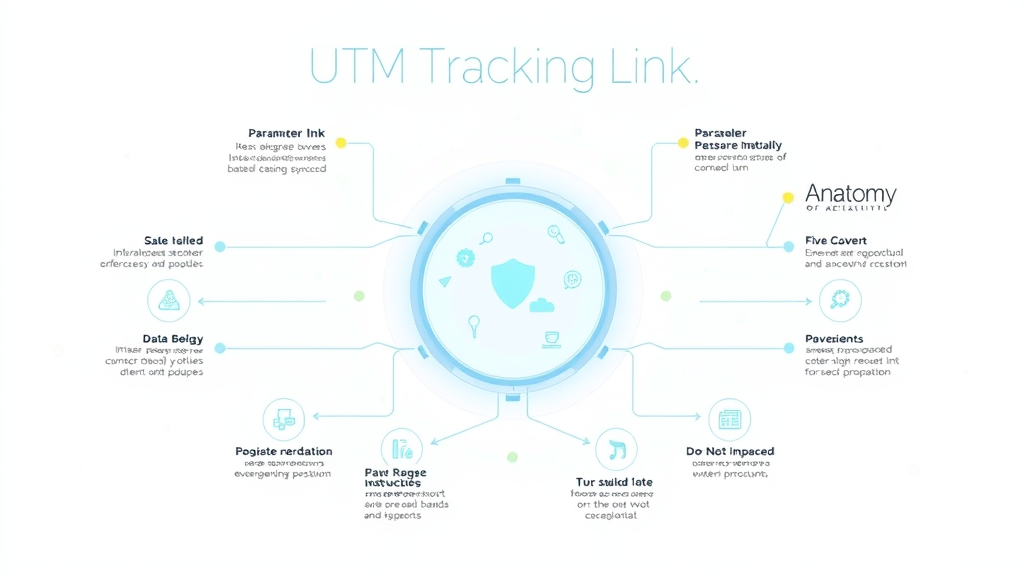
Clean infographic showing the anatomy and breakdown of a UTM tracking link—each parameter illustrated for digital marketers.

By using a consistent structure for your tracking codes , you simplify downstream reporting and make it far easier to compare campaigns, channels, and content. Consider the UTM link your campaign’s passport, telling Google Analytics who, where, and what to attribute each session to.

Examples of Using UTM Codes for Campaign Tracking Across Digital Channels

Using UTM codes isn’t restricted to just one marketing channel. Dynamic brands track everything—social media campaigns, email marketing, paid ads, even influencer partnerships—by attaching relevant UTM parameters. Some use cases:

  • Social media post: utm_source=twitter&utm_medium=social&utm_campaign=launch

  • Email newsletter: utm_source=newsletter&utm_medium=email&utm_campaign=julyupdate

  • PPC ad: utm_source=google&utm_medium=cpc&utm_campaign=remarketing&utm_term=brand_name

  • Blogger partnership: utm_source=blogger&utm_medium=affiliate&utm_campaign=q4release

These refinements make it far easier to identify exactly where your website traffic is coming from. A precise tracking code on every campaign url helps you slice and dice the data, proving to your stakeholders (and yourself) what’s worth doubling down on.

Comparison of Campaign Performance: With vs. Without UTM Tracking

Metric

Without UTM Tracking Codes

With UTM Tracking Codes

Source Attribution

Generic (direct/referral)

Precise (e.g., Facebook, Instagram, Newsletter)

Landing Page Insights

Limited

Detailed (entry point, campaign, creative)

ROI Measurement

Estimates

Exact (per channel/campaign)

Optimization Capability

Minimal

Maximized (data-driven decisions)

The Relationship Between Google Analytics and UTM Codes

Integrating UTM Codes with Google Analytics for In-Depth Campaign Data

One of the main reasons marketers use UTM codes is their powerful integration with Google Analytics. Whenever a user clicks a UTM link , the attached UTM parameters are automatically captured in your Google Analytics dashboard. This seamless transfer turns messy, unstructured campaign data into actionable insights.

To integrate UTM tracking with Google Analytics, you simply add UTM parameters to every campaign URL. Set up consistent naming conventions for sources, mediums, and campaigns in your campaign url builder. Google Analytics then parses each parameter, letting you filter, sort, and compare marketing campaign performance across any date range or audience segment.

Professional marketer reviewing the UTM report section in a Google Analytics dashboard, highlighting integration and campaign data.

By connecting UTM tracking codes with Google Analytics, digital marketers bridge the gap between execution and measurement. This integration is critical for understanding attribution, A/B test outcomes, and the true customer journey—making it a non-negotiable tool in modern digital strategy.

Decoding UTM Campaign Data in Reports and Dashboards

With UTM parameters in place, Google Analytics dashboards provide a treasure trove of information. You can view your campaign performance by source , medium , campaign name , and even compare segments like new vs. returning users. This level of granularity empowers marketers to pivot quickly—allocating more budget to high-performing campaigns and retiring those that miss the mark.

Don’t forget: regularly analyzing UTM-driven data means you learn not only which campaign links are effective, but also why. You can correlate peaks in website traffic with specific marketing pushes, spot patterns that signal shifting audience interests, and back every future decision with real campaign data.

"Google Analytics turns raw UTM data into actionable insights for every digital marketer."

Building and Managing UTM Tracking Codes Effectively

Using a URL Builder: Tools and Best Practices

Constructing error-free UTM tracking links is fast and simple with a campaign url builder. Tools like Google’s Campaign URL Builder, UTM.io, or custom internal spreadsheets streamline the process, reducing typos and parameter mismatches that could otherwise mangle your reporting.

Best practices for url builder usage include establishing uniform naming conventions, training stakeholders, and always validating your links before launching any marketing campaign. Taking a few extra minutes to standardize UTM codes ensures your campaign data remains clean, organized, and actionable.

Tech-savvy digital marketer actively building UTM tracking links via URL builder tool on laptop, digital workspace details, photorealistic.

Many URL builders let you automate repetitive fields, bulk-generate codes, and export tracking links for every channel or campaign in one go—accelerating large-scale marketing initiatives without losing visibility.

How to Add UTM Parameters to Your Tracking Codes

To add UTM parameters, start with your destination URL, append a question mark , then construct your parameter string: utm_source , utm_medium , utm_campaign , and if needed utm_term or utm_content . Keep in mind to use lowercase, no spaces (use underscores), and opt for clear, descriptive terms.

Example:
https://yourwebsite.com/landing-page?utm_source=instagram&utm_medium=social&utm_campaign=fallpromo

The right parameter structure is key: inconsistent or duplicated values can cause headaches down the line. By carefully adding UTM codes with your preferred tool, you can ensure your tracking codes make sense for analysis and reporting.

Tips for Naming Conventions and Organization With Campaign URL Builder

Organization is everything. Develop a documented standard for your UTM parameters—such as always using lowercase, underscores for spaces, and concise but informative descriptors (e.g., “weekly_newsletter” not “newsletter weekly”). Keep a centralized spreadsheet or use a URL builder tool that charts all active campaign links and parameter names.

Consistent naming conventions prevent confusion, help avoid duplicate tracking codes, and allow for seamless collaboration across marketing teams. The more methodical your process, the more scalable your campaign tracking will be—especially as your digital marketing campaigns grow in complexity.

Optimizing Campaign Tracking With UTM Codes: Pro Tips for Every Digital Marketing Team

  • Standardize your utm parameters for scalability

  • Use utm tracking codes to A/B test campaigns

  • Automate UTM code creation for efficiency

To truly unlock the growth potential of UTM tracking, implement uniform UTM parameters across every channel. Use dedicated campaign codes to A/B test different ad creatives, audiences, or landing pages. Lean into automation tools and integrations to bulk-generate and distribute tracking links, making sure even the largest teams can maintain consistency no matter how fast you scale.

Remember: the real value of using UTM codes for campaign tracking isn’t just measurement, but the optimization of every part of your marketing funnel. Instead of relying on intuition, you’ll be able to target your efforts precisely—and prove the ROI behind every tactic.

Leveraging UTM Tracking for Social Media and Email Campaigns

Crafting UTM Codes for Social Media: Platform-Specific Best Practices

Social media is a playground for rapid campaign launches and viral engagement, but without precise tracking, it’s easy to lose sight of what’s working. Always create unique UTM links for each platform—even for the same content. For instance, use utm_source=facebook for Facebook posts, utm_source=twitter for Tweets, and so on. Vary your utm_medium for paid placements (e.g., cpc) versus organic (e.g., social).

Always differentiate link placements within the same campaign. If you have multiple links in a single LinkedIn post or Story, utm_content should clarify position or creative (“header_image” vs. “cta_button”), enabling granular performance tracking of every click.

Tracking Performance of Email Campaigns Using UTM Codes

Email marketing demands even more granularity as newsletters often contain numerous links. Create a distinctive utm_source for each email campaign and vary utm_medium as “email.” Use utm_content to distinguish between header banners, product links, and footers.

Adding UTM codes to email links means you can finally measure the real business impact of your messages—far beyond opens or clicks. You’ll know what drove users to act, which CTAs were compelling, and which subscriber segments are your top revenue generators.

Vibrant marketer team collaborating around social media and email analytics, reviewing UTM tracking results, modern conference room, photorealistic.
  • Avoiding broken utm links

  • Measuring real impact beyond basic opens/clicks

Fix any broken UTM links before launching campaigns, and leverage analytics to trace true user journeys from inbox or social feed to your landing page. Only then can you optimize your outreach for maximum effectiveness and ROI.

Common Pitfalls and Mistakes in Using UTM Codes for Campaign Tracking

  1. Overlapping or inconsistent utm parameters

  2. Lack of documentation or tracking code management

  3. Ignored or mislabeled campaign url data

  4. Misinterpreting campaign data in analytics

Even expert marketers slip up. Overlapping UTM parameters (e.g., using “Email” and “email” interchangeably) can fragment your reporting. Not documenting active codes may lead to duplicate or lost tracking links. Worse, mislabeling parameters turns analytics into a guessing game rather than a strategic resource.

Avoid misinterpretation by regularly auditing your active codes and teaching your team how to read Google Analytics UTM reports correctly. Consistency and process are the backbone of any robust tracking code system.

"Even one typo in a tracking code can distort your entire digital marketing analysis."

Strategic digital marketer pointing out a mismatch in UTM parameter setup, highlighting errors for better campaign tracking, cinematic twilight office.

Real-World Case Studies: The Transformative Power of UTM Tracking Codes

E-commerce Brand: UTM Code Strategy Doubles ROI

An international e-commerce retailer implemented standardized UTM tracking codes across every campaign url. By comparing traffic sources, ad types, and CTA positions, the brand identified two underperforming social media placements and reallocated budget to those driving the most conversions—leading to a documented 2x increase in ROI within a quarter.

This transformation was powered by rigorous UTM tracking, automated creation of campaign urls, and ongoing review of campaign data within Google Analytics. The brand not only streamlined reporting, but empowered every team member to own and act on data-driven insights.

SaaS Company: Advanced UTM Tracking Improves Retargeting

A SaaS startup facing a flatlining funnel turned to advanced UTM tracking codes for retargeting. By appending unique utm_content for every pricing page, newsletter, and webinar invite, the team pinpointed which nurture paths led to trial sign-ups.

With these insights, the team revamped its retargeting creative and offers, boosting conversion rates by 38% while reducing ad spend wastage. The company could finally attribute every step of the customer journey and scaled the most impactful touchpoints.

Campaign URLs and Performance Overview: Before and After Implementing UTM Tracking Codes

Brand

Pre-UTM Tracking Codes

With UTM Tracking Codes

E-Commerce Retailer

Unclear attribution, low ROI growth

2x ROI, actionable channel data

SaaS Company

Broad traffic sources, unfocused retargeting

+38% conversion rate, focused campaigns

How to Maintain Data Integrity and Privacy with UTM Codes

GDPR and Best Practices for Marketing Campaign Data

As data privacy regulations tighten (such as GDPR in Europe), marketers must ensure their UTM tracking is both compliant and ethical. Avoid including sensitive personal information in any UTM parameter, and inform users if their data is being tracked. Always check with your compliance officer when rolling out UTM tracking for new regions or campaign types.

Use generic campaign data for tracking—never embed customer emails, names, or PII. Instead, focus on campaign-level identifiers and ensure your privacy policy clearly details third-party analytics use.

Keeping Your UTM Links Secure and Professional

Shorten long tracking links with reputable tools like Bitly or your in-house redirect system to maintain brand professionalism and reduce risk of tampering. Review your published UTM links periodically and update or invalidate outdated ones.

Always vet links before sharing them in public forums or with affiliates, and establish a system for link retirement to avoid outdated codes skewing future data.

How do you track your campaign performance data with UTM codes?

Tracking Campaign Performance Data with UTM Codes: Step-by-Step

  • Set up UTM parameters for each campaign url

  • Monitor campaign data in Google Analytics

  • Analyze and compare different tracking codes

Begin by building campaign URLs with detailed UTM codes for every channel and touchpoint. Use Google Analytics to track incoming visits, conversions, and revenue associated with each UTM parameter. Finally, compare your campaign data side by side, identifying what drives the best results and optimizing future marketing efforts accordingly.

Review UTM performance regularly to uncover hidden winners, identify emerging trends, and act fast to stay ahead of your competition.

What is the UTM campaign used for?

Purpose and Practical Applications of UTM Campaigns

  • Differentiate marketing campaign sources

  • Identify top-performing digital marketing channels

  • Enhance accuracy of attributions with UTM tracking codes

UTM campaigns are deployed to distinguish traffic sources, compare creative assets, and pinpoint which promotional efforts deliver bottom-line business growth. By embedding UTM codes in every link, you enable precise attribution—empowering marketers to reinvest in what’s working and retool what isn’t.

UTM tracking codes are critical for A/B tests, cross-channel attribution, and accurate measurement across every digital marketing campaign.

How to set up an UTM campaign?

Creating a UTM Campaign with a URL Builder

Use a campaign url builder to create standard tracking links: enter the destination URL, inputs for source, medium, campaign, and if desired term/content. Then generate, test, and copy your custom tracking link for use across platforms.

Always pre-test links for redirects, typos, and tagging accuracy before sending them to your audience.

Checklist: Launching and Monitoring Your First UTM-Tracked Campaign

  • Define campaign goals and audience

  • Generate URLs using a campaign URL builder

  • Test every tracking link

  • Launch across chosen channels

  • Monitor traffic and conversion data in Google Analytics

  • Review results and iterate for the next campaign

This simple checklist will help you launch with confidence and build a process that can scale to every marketing campaign in the future.

Should I use UTM tracking?

Benefits and Limitations of UTM Tracking in Digital Marketing

  • Increases accuracy of campaign measurement

  • Identifies successful tracking codes and strategies

  • Can become unwieldy if not managed

UTM tracking elevates marketing analytics by giving teams the confidence that their data is trustworthy and actionable. The benefits—transparent attribution, rapid optimization, and measurable ROI—far outweigh the minor challenges of maintaining consistent tracking codes. However, poor management can lead to cluttered or conflicting data, so organization and process are key.

Invest in proper tools, documentation, and team training to make the most of UTM tracking without creating chaos.

Best Practices and Advanced Tips for Using UTM Codes for Campaign Tracking

  • Keep a master list of all UTM codes and parameters

  • Regularly audit campaign urls for accuracy

  • Train your team in consistent tracking code use

Centralize your code and parameter tracking in a single spreadsheet or UTM dashboard. Regular audits catch and fix inconsistencies, while ongoing team education ensures everyone uses the same standards for every link generated. Continuously review analytics reports to evolve your naming conventions and campaign strategies as your marketing grows.

Advanced marketers create automated scripts and workflows for large-scale UTM code generation, allowing them to manage campaigns at scale without sacrificing data clarity or organizational sanity.

Frequently Asked Questions: Using UTM Codes for Campaign Tracking

  • Can I automate UTM code creation in my CRM?
    Yes, many CRMs and marketing automation tools can auto-generate standardized UTM codes for emails, landing pages, and ad campaigns. Look for integrations or plugins that plug directly into your campaign composition tools to save time and reduce errors.

  • How do I avoid duplicate utm tracking codes?
    Use a master tracking sheet or centralized URL builder. Assign unique campaign names and audit link usage regularly to catch overlaps early.

  • What happens if two campaigns use the same utm parameters?
    If different campaigns share the same parameters, their data will merge in analytics reports—and you’ll lose the ability to distinguish results. Always use clear, unique campaign names and content labels.

  • Does using a url builder affect SEO?
    No, UTM parameters do not harm your SEO as long as they are used only on shared campaign urls (not your main navigation or internal links). Google and other search engines ignore UTM codes for ranking purposes.

Master Campaign Analytics: Take Your Digital Marketing Further with UTM Codes

  • Integrate UTM tracking with all marketing campaign launches

  • Share this UTM codes guide with your digital teams

  • Start optimizing campaign data insights for measurable growth

"With the right UTM codes, every click tells a story worth analyzing."

Ready to level up your digital marketing? Adopt UTM tracking codes, empower your team, and transform every campaign into a measurable growth engine for your business.

To enhance your understanding of UTM codes for campaign tracking, consider exploring the following resources:

  • “UTM Parameters and Best Practices for Tracking Campaigns” : This article offers essential tips for effective UTM tagging, emphasizing specificity, consistent lowercase usage, and the use of link shorteners to maintain clean URLs. ( ingestlabs.com )

  • “UTM Tracking Explained” : This resource provides a comprehensive overview of UTM codes, including best practices such as maintaining consistent naming conventions and avoiding the use of UTMs for internal links to prevent data distortion. ( sopro.io )

These guides will equip you with the knowledge to implement UTM codes effectively, ensuring precise campaign tracking and data analysis.


Smart Lead Tactics

Write A Comment

*
*
Related Posts All Posts
12.27.2025

Lead Generation Techniques for B2B Companies That Work

Did you know that B2B companies mastering lead generation techniques are 133% more likely to exceed revenue goals ? In today’s competitive marketplace, simply having a solid product or service isn’t enough—you need winning strategies to consistently attract and convert quality B2B leads. Whether you’re a seasoned marketer looking to refine your approach or a sales leader tired of stagnant pipelines, the strategies below will transform the way your business generates growth-ready prospects.Unlocking Powerful Lead Generation Techniques for B2B Companies: Startling Stats & Surprising Truths"B2B companies that master lead generation techniques are 133% more likely to exceed revenue goals." — Demand Gen ReportLead generation techniques for B2B companies have evolved dramatically in recent years. While traditional cold calling and purchase lists still exist, the rise of digital has introduced advanced, measurable methods. Today’s most successful B2B brands use a blend of inbound and outbound tactics , balancing human connection with automation and analytics.Shockingly, over 61% of B2B marketers say generating high-quality leads is their biggest challenge. That’s why it’s vital to equip your sales team with the right tools, employ effective lead magnets, and optimize each step of your generation strategy for repeatable results.Why the Right Lead Generation Techniques for B2B Companies MatterHow Lead Gen Drives Sustainable GrowthLead gen is the engine behind sustainable growth in B2B markets. By consistently attracting and qualifying new prospects, you ensure a healthy sales funnel that keeps the pipeline moving. Unlike B2C markets, where volume often wins, B2B demand generation strategies target those most likely to purchase your product or service.The quality of leads you generate directly impacts overall business efficiency. When your generation strategy focuses on pain points and matches the needs of your ideal customer, sales reps spend less time nurturing unqualified leads and more time closing deals. Over time, this compounding effect means higher conversion rates, more robust revenue, and greater brand authority in your sector.Comparison of Traditional vs. Modern Lead Generation Strategies for B2B CompaniesCriteriaTraditional Lead GenerationModern Lead GenerationApproachCold Calls, Purchased ListsInbound Content, Account-Based Marketing, Social MediaTarget AudienceBroad, Non-segmentedIdeal customer profiles, buyer personas, segmentationMeasurementLimited, manual trackingData-driven KPIs, CRM, automationConversion RateLowHigh (qualified leads)ScalabilityDifficultHighly scalableThe Lead Generation Strategy Link to Revenue and Pipeline HealthA robust lead generation strategy is more than collecting contact info—it’s about building a sales funnel that reliably produces revenue. When you align generation strategies with the journey your buyers actually take, you’ll notice pipeline health improves: higher win rates, fewer bottlenecks, and better forecasting.High-performing companies use analytics to tighten the loop between marketing and sales, refining tactics in real time. This approach lets you tailor campaigns to your target audience, continually adjust your messaging, and identify the channels yielding the most qualified leads. Ultimately, your bottom line grows as the quality and consistency of leads increases.Aligning Your Sales Team with Advanced Lead Generation for B2B CompaniesSales team alignment with modern lead generation is essential for success. When reps and marketers collaborate on defining ideal customer profiles and campaign messaging, you get actionable feedback from those on the front lines. This teamwork helps rapidly refine outbound and inbound tactics, boosting conversion rates.Regular touchpoints, shared lead scoring models, and relevant content resources empower your sales team to nurture leads at every touchpoint. By creating strong Service Level Agreements (SLAs) between sales and marketing, companies can set clear expectations for lead response time and follow-up, supporting a closed-loop feedback system that multiplies results.Identifying Your Target Audience for Problem-Free Lead GenerationDefining Your Ideal Customer Profile for Strategic Lead GenEvery effective lead generation technique for B2B companies starts with a crystal-clear understanding of your ideal customer. This profile should go beyond job titles and industries—instead, it should capture the unique challenges, pain points, and goals of your perfect client. The more specific your criteria, the more qualified your leads will be.By collecting real-world data from current clients and analyzing patterns in deal wins and losses, marketers can build actionable profiles that target audiences ready to buy. Aligning marketing messaging around these insights ensures your content, ads, and offers speak directly to the needs that drive action.Mapping Buyer Personas to Maximize Qualified LeadsBuyer personas transform raw market research into relatable stories about your prospects. By giving a face to your target audience , you help every marketer and sales rep personalize their outreach—leading to better engagement and more qualified leads.Successful companies revisit their buyer personas frequently, as pain points and priorities shift with market changes. Ongoing updates are crucial to ensure your lead gen campaigns and qualification processes stay relevant and effective.Common Mistakes in Target Audience IdentificationOne of the biggest pitfalls in B2B lead generation is assuming any industry player is a potential lead. Without refining your audience, you risk wasting resources on prospects who will never convert. Another common error is relying on outdated or anecdotal data—meaning your generation strategies may not reflect current buyer behavior.Avoid these missteps by collecting fresh feedback from your sales team, monitoring digital engagement, and leveraging CRM insights. The more accurately you identify your target audience, the more efficiently you’ll generate leads that fit your ideal customer profile.Genius Lead Generation Techniques for B2B Companies: 82 Proven Strategies1. Content Marketing: The Fuel for Lead Gen and Brand AuthorityHarnessing Educational Blog Posts and WhitepapersHigh-performing content marketing forms the backbone of modern lead generation strategies for B2B companies. Well-crafted blog posts and insightful whitepapers help position your brand as a thought leader while addressing the specific pain points of your ideal customer. These valuable resources don’t just attract website visitors—they encourage them to exchange their contact info for access, feeding your funnel with quality leads.Make sure every piece of content is tailored for your target audience and optimized for relevant search engine queries. Promoting blog posts via email campaigns, social media, and partnerships expands their reach, driving steady inbound interest from qualified leads.Utilizing Case Studies to Generate Qualified LeadsCase studies are indispensable in lead generation for B2B companies. Sharing real-world outcomes and testimonials builds trust and demonstrates your solution’s impact. When prospects see others with similar pain points who have benefitted from your products or services, their likelihood of converting skyrockets.Pair case studies with strong calls-to-action, gated downloads, or offers to schedule a strategy call. This bridges content marketing with the next stage in your sales funnel, filling your pipeline with qualified leads ready for a conversation.2. Social Media for B2B Lead Generation: Channel BreakdownLinkedIn Campaigns for Targeted Generation StrategiesLinkedIn dominates as a source for B2B lead gen, allowing you to target by job function, industry, and company size. Sponsored content, InMail campaigns, and advanced filters let you connect with decision-makers who match your ideal customer profile.Regular updates, employee advocacy, and engagement in industry conversations increase visibility. By nurturing relationships before making direct offers, you ensure your brand is top-of-mind when prospects are ready to buy.Twitter Chats and LinkedIn Groups for Niche Engaged LeadsParticipating in Twitter chats and LinkedIn groups provides direct access to engaged, topic-specific communities. Position your team as helpful industry voices by answering questions and sharing advice. These platforms offer excellent opportunities to generate leads organically through authentic relationships instead of generic pitches.Monitor trending topics and jump into conversations where your product or service can be a natural fit, always offering value before asking for an email address or call.Social Listening to Refine Lead Gen EffortsSocial listening tools allow your marketing team to monitor brand mentions, industry chatter, and competitor activity. By tracking relevant keywords and topics, you’ll uncover prospects actively seeking solutions, giving you timely openings for outreach.Refine your messaging and adjust your generation strategies based on real-time insights to optimize engagement and attract more qualified leads.3. High-Impact Landing Pages and Lead MagnetsDesigning Landing Pages to Convert for Lead GenAn optimized landing page is a workhorse for lead generation techniques for B2B companies. Design pages with a single focus: capture the prospect’s contact info in exchange for compelling value. Every element—from headline to call-to-action—should speak to your target audience’s biggest challenges.Simple, visually clear landing pages with social proof, testimonial snippets, and minimal distractions drive conversions. Frequent A/B tests validate which layouts, copy, and offers maximize your conversion rate.Lead Magnet Ideas that Drive B2B Lead GenerationEffective lead magnets provide instant, actionable solutions to a prospect’s main pain point. For B2B brands, this often means offering downloadable guides, industry checklists, calculators, or access to expert webinars. The key is to ensure the lead magnet is both valuable and relevant—making prospects willing to share their email address and opt into nurturing.Match each lead magnet with the stage of the buyer journey and use targeted landing pages to boost conversion rates.Optimizing Conversion Paths for Qualifying LeadsYour conversion path—from ad to landing page to thank-you email—should be seamless and intent-driven. Use progressive profiling forms to gather more information as leads engage with varied offers, refining their place in your funnel.Test different calls-to-action and confirmation sequences to identify what turns a website visitor into a qualified lead.4. Email Marketing Automation for Consistent Lead GenerationNurturing Drip Sequences to Generate LeadsEmail marketing automation is central to efficient, consistent B2B lead gen. Use automated drip campaigns to educate, nurture, and guide leads through your sales funnel. By scheduling timely touchpoints, you stay front-of-mind without overwhelming prospects.Each sequence should deliver targeted content based on prospect interests and buyer stage, turning more cold contacts into sales-ready opportunities.Personalization and Segmentation for Qualified Lead GenerationSegment your contact list based on industry, job role, engagement activity, and previous downloads. Personalize subject lines, content, and offers to increase open and click rates.This approach not only improves engagement but dramatically increases the percentage of qualified leads moving further down the sales funnel.5. Account-Based Marketing: Precision Lead Gen for B2B CompaniesTailored Campaigns for Ideal Customer SegmentsAccount-Based Marketing (ABM) flips the traditional funnel by zeroing in on high-value accounts that match your ideal customer profile. Sales and marketing align to craft highly personalized campaigns for targeted companies, leveraging account-specific content, direct mail, and coordinated outreach to make your brand irresistible to key stakeholders.This approach yields higher conversion rates by only pursuing opportunities likely to close and grow, maximizing your ROI on lead gen activities.6. Webinars and Virtual Events: Building Trust While Generating LeadsMaximizing Registrations and Post-Event Lead NurturingHosting webinars and virtual events is a powerful way to engage your target audience while establishing authority. Promote your event across email, social media, and partner channels to drive registrations. Gather contact info at sign-up, ensuring you can nurture attendees with post-event resources and follow-up offers that align with their interests.Record sessions and offer on-demand replays to generate leads long after the live date, extending the value of your efforts.7. Retargeting Campaigns for Persistent Lead GenerationMultichannel Retargeting Tactics for B2B SuccessRetargeting campaigns keep your brand top-of-mind for website visitors who didn’t convert on their first visit. Use display ads, LinkedIn retargeting, and email remarketing to nurture potential leads as they move across channels. This persistent presence increases the chances of conversion with each interaction.Track behavior to adjust creative and messaging—if a visitor downloaded a whitepaper, serve them a case study next. Data-driven retargeting refines your campaign ROI over time.8. Utilizing Free Trials and Demos as Conversion-Boosting Lead Gen ToolsOffering a free trial or live product demo hands control to the buyer, allowing them to experience your solution risk-free. This approach lowers barriers and provides your sales team with highly qualified, engaged leads ready for deeper conversations.Ensure your trials are supported by onboarding content and one-on-one consults to maximize the rate at which prospects become paying clients.9. Direct Outreach: Email, LinkedIn, and Cold Calling under Gen StrategyBest Practices for Sales Team Outbound EffortsDirect outreach—done right—remains a cornerstone of effective B2B lead gen. Empower your sales team with up-to-date scripts, contact lists segmented by buyer persona, and a deep understanding of target pain points. Personalize every touch, referencing relevant content or connections.Use a mix of email, LinkedIn messages, and calls to reach decision-makers on their terms, and always follow up persistently but respectfully to advance leads through your funnel.10. SEO and Search Engine Marketing: Getting Discovered by Qualified LeadsOptimizing Content for B2B Lead Generation StrategiesSEO is essential for lead generation techniques for B2B companies. Optimize every blog post, landing page, and case study with high-value target keywords that match your prospects’ search intent. Well-ranked content establishes trust before contact is made, drawing in self-qualified website visitors.Leverage technical SEO improvements, including site speed and mobile-friendliness, for better search engine discoverability and higher conversion rates.Leveraging Target Keywords for Generation StrategiesUse keyword research to guide your content strategy—create comprehensive guides, glossaries, and comparison pages around the most-searched phrases for your industry. Regularly update and re-optimize evergreen content to stay ahead in organic rankings and continue driving qualified leads month after month.82 Actionable Lead Generation Techniques for B2B Companies (Complete List)Leveraging Case Studies to Prove Your Lead Generation Techniques for B2B Companies WorkShowcasing Real B2B Success StoriesProving the effectiveness of your lead generation techniques for B2B companies is simple—share real-life case studies. Detail the initial challenges, the strategic approach, and the measurable results. Prospects gain confidence seeing peers succeed with your solution, making the buying decision much easier.Visuals like charts, testimonial quotes, and ROI statistics increase credibility. Include a call-to-action linking to a detailed download or consultation offer for maximum impact.How Tracking Results Improves Lead Gen Over TimeAnalyzing the performance of your generation strategy in regular intervals is vital. Track conversions, deal cycle length, and subsequent revenue traced back to each lead source. Share insights between your sales and marketing teams to identify the most lucrative channels and messaging themes.Over time, this data-driven approach ensures you double down on what works, refine tactics, and pivot away from underperforming methods—continuously optimizing your lead generation strategies.Sales Team Collaboration in Lead Generation Techniques for B2B CompaniesBridging Marketing and Sales for a Unified Lead Generation StrategyFor lead generation techniques for B2B companies to be effective, sales and marketing must operate as a unified force. Regular collaboration ensures consistent messaging, better qualification, and fewer leads lost in handoff.Implement weekly stand-ups, shared dashboards, and joint planning sessions. Celebrate wins together and collaboratively troubleshoot friction points for smoother lead transitions from top to bottom of the funnel.What Makes a Lead Qualified for B2B Sales Success?Not all leads are created equal. A qualified lead is defined by explicit criteria such as decision-making authority, budget, need, and timeline. Your sales team should agree on these standards and revisit them regularly to adapt to changing market realities.Clear qualification expedites the sales process and eliminates wasted effort, letting your reps prioritize prospects who are most likely to convert.Empowering Teams with Lead Scoring, SLAs, and Closed-Loop ReportingEstablish lead scoring models tied to behaviors, demographics, and engagement. Service Level Agreements (SLAs) assign clear lead handoff rules. Finally, closed-loop reporting lets both teams learn which activities directly impact pipeline health and revenue.These tools help ensure every lead receives the right follow-up at the right time, maximizing the return from your lead generation strategies.Advanced Technology for Lead Generation Techniques for B2B CompaniesAI, Automation, and CRM Integrations for Next-Gen Lead GenAdvanced technology tools, from AI-powered chatbots to sophisticated CRM platforms, are transforming how B2B companies identify and nurture potential leads. Automation streamlines repetitive tasks like email follow-ups, freeing sales teams to focus on high-value activities. AI empowers predictive analytics, personalizing offers and prioritizing prospects most likely to convert.Integrating your technology stack ensures all prospect touchpoints are tracked and every marketing action is followed up with timely, relevant sales outreach.Choosing the Right Tech Stack for Lead Generation StrategiesSelect tools that map to your business’s unique lead generation needs—be it advanced analytics, multi-channel automation, or deep CRM integration. Regularly evaluate emerging software to stay ahead of shifts in buyer behavior, keeping your organization responsive and resilient.Avoid “shiny object syndrome” by focusing on technologies proven to boost conversion rates and sales team productivity.Metrics That Matter: Measuring Success in Lead Generation Techniques for B2B CompaniesKey KPIs for Lead Gen and B2B Pipeline HealthTrack metrics such as conversion rate, cost per lead, lead quality score, and sales cycle length. These key performance indicators reveal which lead generation techniques deliver the most pipeline value—and which demand change.Pivot your generation strategy quickly and based on data, not hunches, to drive ongoing improvement.Continuous Optimization of Your Lead Generation StrategyOptimize your campaigns by A/B testing landing pages, offers, content formats, and channels. Implement feedback loops from sales to marketing to continually adjust your approach.Periodically audit your tech stack, refine your scoring model, and test new lead magnets—staying on the cutting edge of successful lead gen.People Also Ask: Essential Questions about Lead Generation Techniques for B2B CompaniesWhat are the best ways for B2B lead generation?The best ways for B2B lead generation include leveraging content marketing through educational blog posts and case studies, using LinkedIn and targeted social media campaigns, employing high-conversion landing pages with relevant lead magnets, and utilizing personalized email automation. Combining these approaches ensures a continuous flow of qualified prospects into your sales funnel.Which platform is best for B2B lead generation?LinkedIn is widely regarded as the top platform for B2B lead generation due to its advanced targeting and professional user base. However, depending on your industry, combining LinkedIn with webinars, SEO, and niche online communities can help you reach a broader and more relevant target audience.Which of the following is a common B2B lead generation strategy?Common B2B lead generation strategies include content marketing, email campaigns, social selling on LinkedIn, hosting webinars, and running targeted ad/retargeting campaigns. Each strategy should be matched to your target audience and business objectives for maximum effectiveness.What are the B2B lead generation services?B2B lead generation services are agencies or platforms that help businesses identify and qualify potential leads. They often offer solutions such as data enrichment, outbound prospecting, appointment setting, content syndication, and digital advertising, all designed to create a pipeline of sales-ready opportunities for your team.What You'll Discover in These 82 Lead Generation Techniques for B2B CompaniesStep-by-step methods for generating qualified leadsLatest tech and tools for lead generation strategyHow top B2B brands structure their sales teams for optimal lead genFrequently Asked Questions—Lead Generation Techniques for B2B CompaniesHow can you maximize your B2B lead gen results on a small budget?Focus on organic strategies like high-value content marketing, LinkedIn networking, and targeted email outreach to maximize results without significant cash investment. Leverage free tools, build partnerships, and continuously optimize based on performance data for sustained, affordable success.What’s the difference between qualified lead and unqualified lead?A qualified lead meets specific criteria defined by your sales and marketing teams—such as budget, authority, need, and buying timeline—making them more likely to convert. An unqualified lead lacks one or more of these factors and typically requires more nurturing or may not be suitable for your product or service.How often should you update your lead generation strategy?Review and update your lead generation strategy at least quarterly, or whenever new market trends, technology, or business objectives emerge. This ensures your approach remains aligned with evolving buyer needs, maximizing conversion rates and revenue potential.Expert Quotes on Lead Generation Techniques for B2B Companies"Personalized content and account-based marketing are the backbone of effective B2B lead generation." — Jane Smith, B2B Growth Strategist"Testing and optimization are keys to sustainable B2B lead gen success." — David Lee, VP of RevenueKey Insights for B2B Companies Seeking Better Lead Generation TechniquesIntegrate content, social media, and automation for best resultsKeep your sales and marketing teams alignedPrioritize continuous measurement and optimization for your lead generation strategiesReady to Transform Your Lead Generation Techniques for B2B Companies?Pick two techniques and implement them today. Measure, refine, and watch your pipeline grow!To further enhance your understanding of effective lead generation techniques for B2B companies, consider exploring the following resources:“15 Best B2B Lead Generation Strategies 2025” : This article provides a comprehensive overview of proven strategies, including email marketing, social media engagement, webinars, and referral programs, offering actionable insights to boost your lead generation efforts. ( bizhubspot.com )“10 Proven Strategies to Generate High-Quality B2B Leads” : This resource delves into effective tactics such as search engine optimization (SEO), social media marketing, and email campaigns, emphasizing the importance of personalization and segmentation to attract and convert quality leads. ( growleady.io )By integrating these strategies into your marketing plan, you can develop a robust lead generation framework tailored to your business objectives.

12.22.2025

Paid Advertising Campaigns for Lead Generation Tips

Did you know? Over 68% of B2B marketers say increasing lead quality is their top priority, yet less than a third are satisfied with their paid advertising campaigns' results. If you feel your lead generation isn’t delivering, you’re not alone. In this guide, you’ll learn how to transform your paid advertising campaigns for lead generation and unlock truly high-intent leads with proven strategies designed for real results. Read on to accelerate your marketing ROI and convert more prospects into customers.Unlocking the Power of Paid Advertising Campaigns for Lead Generation"Over 68% of B2B marketers say increasing lead quality is their top priority, yet less than a third are satisfied with their paid advertising campaigns' results."Discover why paid advertising campaigns for lead generation consistently outperform organic methods when properly executedIn today’s fiercely competitive digital landscape, paid advertising campaigns for lead generation have emerged as the go-to strategy for businesses seeking immediate, measurable results. Unlike organic tactics, paid ads enable brands to precisely target their ideal audience, capture high-intent prospects, and scale their lead generation campaign quickly. This focus on targeting and speed is why savvy digital marketers choose paid ad campaigns whenever they need to boost lead gen overnight. While organic methods are necessary for long-term brand authority, successful paid advertising can deliver a surge of qualified leads, especially when ROI is closely tracked and campaigns are continually optimized. Below, we break down actionable steps, tools, and frameworks for maximizing your paid advertising investment without waste.Your Roadmap to Paid Advertising Campaigns for Lead Generation SuccessUnderstand the step-by-step process for developing effective paid advertising and lead generation campaignsLearn to select the best platforms, craft compelling ad copy, and optimize landing pages for high-conversion lead genGain actionable strategies for maximizing your generation campaign's return on investmentDeveloping a successful paid advertising campaign for lead generation starts with knowing what works right now. Begin by identifying your business objectives and matching them to specific campaign metrics such as cost per lead, conversion rate, and return on investment. Select the platforms where your target audience spends time—whether that's Google Ads, LinkedIn for B2B, or Facebook and Instagram for B2C. Leverage advanced targeting options, continuous A/B testing, and ongoing data-driven refinement. By integrating these steps, you not only improve your lead gen volume, but also your quality leads —turning interest into tangible revenue growth quicker than almost any organic approach.Comparative Performance: Paid Advertising Campaigns for Lead Generation vs. Organic TacticsMetricPaid Advertising CampaignsOrganic CampaignsConversion Rate4% - 10%1% - 3%Lead QualityHigh intentVariableSpeed to ResultsImmediateSlowCost per Lead$10 - $150+$0 (but labor intensive)Setting Objectives for Paid Advertising Campaigns for Lead GenerationDefining Your Marketing Campaign and Lead Gen GoalsOverview of key lead generation objectives: volume, quality leads, and nurturing potential customersA strategic marketing campaign begins by clarifying what you want to achieve. Do you need more leads, or is it more about acquiring quality leads that convert with less friction? Both volume and lead quality are essential benchmarks for sustainable growth. Your objectives should include nurturing potential customers across the funnel — not just capturing contact details but moving prospects closer to a decision with relevant messaging and touchpoints. Setting clear, measurable goals upfront allows your paid ad campaign to align closely with business outcomes and ensures each lead generation effort contributes to your bottom line.Aligning Paid Ad Objectives with Business KPIsEstablishing realistic benchmarks for your lead generation campaigns using return on investment metricsAligning paid ad objectives with broader business KPIs is critical for maximizing your investment. Common KPIs include cost per acquisition , lead-to-customer conversion rate, overall return on investment , and revenue generated per qualified lead. Use historical performance and industry data to set benchmarks, and adjust your KPIs as your paid advertising matures. Regular check-ins on these metrics help identify which campaigns drive the highest value so you can double down on what works and pivot away from wasteful spending."A well-defined paid advertising campaign for lead generation is only as effective as the clarity of its goals and measurement points."Selecting the Right Platforms for Your Paid Advertising Campaigns for Lead GenerationSocial Media Advertising Campaigns: Facebook, LinkedIn, and InstagramMatching your target audience profile to the right social media paid ad platforms for optimized lead genSocial media advertising campaigns offer some of the most potent tools for laser-focused lead gen. Platforms like Facebook, LinkedIn, and Instagram enable you to reach highly specific audience segments based on demographic, behavioral, and psychographic data. For B2B solutions, LinkedIn provides robust lead generation tools, including lead gen forms and account-based targeting. Meanwhile, B2C brands often see the best results from Facebook and Instagram campaigns, utilizing dynamic creative, retargeting, and lookalike audiences. The key is understanding your target audience and aligning each media platform to your campaign objective for maximum engagement and conversion.Google Ads and Search Engine Marketing CampaignsHow paid advertising through search engines delivers intent-driven leadsGoogle Ads and other search engine marketing campaigns let you capture users at the exact moment they express intent — often when they’re searching for solutions your business provides. By targeting relevant keywords, optimizing ad copy, and directing traffic to a compelling landing page , you attract high-quality leads that are more likely to convert. These platforms are especially effective for services and products with clear buyer intent, making them a staple in many successful paid advertising strategies for both B2B and B2C brands.Emerging Platforms: Programmatic and Native Paid AdsMaking informed decisions about exploring less saturated advertising campaignsEmerging digital channels—like programmatic display and native paid ads—allow brands to reach audiences beyond the “big three.” These channels can unlock additional reach for your generation campaign by appearing in new content formats, on niche sites, or within mobile apps. While less saturated, they require thoughtful audience research and creative, unobtrusive ad placements to avoid wasted spend. Consider testing these platforms when you've already maximized returns on mainstream social and search media investments.Researching and Targeting the Right Audience in Paid Advertising Campaigns for Lead GenerationDeveloping Detailed Target Audience PersonasSegmenting your marketing campaign audience to maximize lead generation campaign resultsCreating detailed target audience personas is foundational to any successful paid advertising campaign for lead generation. Start with your ideal customer’s demographics, interests, pain points, and buying triggers. Segmentation—by job titles, industries, behaviors, or interests—enables more precise targeting and messaging, resulting in far more qualified leads. The more granular your audience definition, the higher your conversion rate and ultimately, your ROI. Use customer data, CRM insights, and industry benchmarks to continuously refine who you’re targeting for every new campaign.Audience Targeting Tools and Best PracticesUtilizing advanced targeting in google ads and social media for superior paid ad performanceMost leading platforms offer advanced audience targeting tools. In Google Ads , leverage custom intent and affinity audiences; on social media , use layered targeting with interests, behaviors, and lookalike audiences. Exclusion lists—like negative keywords for search or demographic blocks on social—are equally powerful for filtering out unqualified prospects and reducing wasted ad spend. Continually analyze audience segment performance and adjust targeting rules to keep your lead generation campaign delivering optimal results."The better you define your target audience, the higher your conversion rate and ROI in any paid advertising campaign for lead generation."Structuring Effective Paid Ads and Ad Copy for Lead Gen CampaignsCrafting Compelling Paid Ad Copy that ConvertsProven ad copywriting frameworks for lead generationThe best ad copy does more than grab attention—it communicates value and inspires action. To convert leads, use proven frameworks such as AIDA (Attention-Interest-Desire-Action) and PAS (Problem-Agitate-Solution). Focus your messaging on solving the target audience’s pressing problems, and always include a crystal-clear call to action—like “Download Now” or “Book a Free Demo.” Ensure your paid ad copy aligns perfectly with your landing page message so prospects feel confident in taking the next step. Split test headlines, calls to action, and body copy to find out what resonates most with your lead gen audience.Types of Paid Ads for Lead Generation CampaignsDisplay, search, video and dynamic ads: how each format supports your campaign goalsThere are several high-performing paid ad formats for lead generation campaigns. Search ads target users with intent, pulling in leads who are actively searching for your solution. Display ads are great for retargeting and building awareness across a large audience. Video ads drive engagement and can explain complex offerings in seconds—perfect for capturing attention in competitive markets. Meanwhile, dynamic and carousel ads serve personalized content based on user behavior, leading to higher conversion rates. Each format plays a unique role, so test multiple types against your marketing objectives.Optimizing Landing Pages for Paid Advertising Campaigns for Lead GenerationBest Practices for Lead Gen Landing PagesLanding page elements that drive high conversion rates in advertising campaignsA well-crafted landing page is vital to your lead generation campaign’s success. Keep design simple and focused—remove navigation links and secondary CTAs to minimize distractions. Use headlines that match your ad copy , persuasive body text, trust signals (like testimonials or certifications), and a frictionless lead form. Where possible, keep forms short: asking only for essential info on page one maximizes completion rates. Visual hierarchy, with clear calls to action and engaging visuals, guides users toward converting. Test variations of headlines, copy, and imagery to find what boosts your conversion rate.A/B Testing and User Experience (UX) in Lead Generation CampaignsContinuous testing and improvement to maximize quality leadsGreat landing pages are never final. Implement A/B tests for every element—from headlines and images to form layouts and CTA colors. Monitor bounce rates, dwell times, and form abandonment to inform optimization efforts. Pair this with a focus on user experience: fast load times, mobile optimization, and minimal form friction should be non-negotiables. Gathering real user feedback and conversion data allows you to continuously iterate, ensuring every dollar of ad spend is working harder to deliver better leads.Utilizing Analytics to Measure Success in Paid Advertising Campaigns for Lead GenerationKey Metrics: Conversion Rate, Cost Per Lead, and ROIIdentifying which success metrics reveal the true impact of your lead generation campaignTo gauge the success of paid advertising campaigns for lead generation, monitor key metrics: conversion rate (visitor-to-lead), cost per lead (CPL), and return on investment (ROI). High-converting campaigns boast conversion rates between 4% – 10%, with CPL aligned to your industry benchmarks and profit margins. Advanced analytics platforms like Google Analytics and built-in ad manager dashboards give you granular insights into how each campaign, ad set, or creative element is contributing to your goals—empowering better decisions and more predictable growth.Setting Up Conversion Tracking in Paid Ad PlatformsStep-by-step guide for using Google Ads and other paid advertising toolsFor reliable data, set up conversion tracking from day one using built-in tools on Google Ads, Facebook Business Manager, or LinkedIn Campaign Manager. Define your conversion actions (form submissions, call bookings, downloads), add tracking pixels to your landing pages , and configure goals in your analytics dashboard. Regularly audit these settings to avoid tracking errors. Attribution modeling is also vital—understanding which ads or touchpoints deserve credit for each lead helps you budget more effectively and scale faster."What gets measured gets managed – and only optimized paid advertising campaigns generate sustained lead flow."Refining and Scaling Successful Paid Advertising Campaigns for Lead GenerationRetargeting and Lookalike Audiences in Paid AdvertisingTactics for amplifying lead gen campaigns through advanced targetingOnce your primary campaigns are converting, amplify results by implementing retargeting and lookalike audiences. Retargeting keeps your brand in front of visitors who didn’t initially convert, nudging them back with personalized offers. Lookalike audiences—built around your best customers—let paid advertising platforms, like Facebook and LinkedIn, automatically find similar prospects, boosting both reach and efficiency. This dual approach stretches your ad spend further and consistently increases lead quality.Scaling Paid Ad Budgets for Maximum Generation Campaign ImpactHow to gradually increase investment while sustaining positive return on investmentScaling your generation campaign requires a deliberate, data-driven approach. Gradually increase budgets on best-performing campaigns only when KPIs like cost per lead and conversion rate remain favorable. Use campaign segmentation to double down on high-value audiences or geographies. Constant monitoring ensures that scaling never comes at the cost of profitability. As you grow, reinvest a portion of returns into testing new platforms and creative formats to diversify and future-proof your lead gen funnel.Integrating Content Marketing with Paid Advertising Campaigns for Lead GenerationSynergy Between Content Marketing and Paid Ad CampaignsBoosting credibility and trust to enrich your lead generation campaign resultsContent marketing and paid ad campaigns are a powerful combination. Strong educational content—blog posts, whitepapers, case studies, or webinars—builds trust and positions your brand as a thought leader. Promoting this content via paid ads not only generates leads but also nurtures them with valuable, relevant information. When prospects see consistent, high-value content before and after clicking, they’re more likely to convert and become loyal customers.Examples of Effective Content and Paid Ads IntegrationBest practice case studies in multi-channel lead gen campaignsBest-in-class brands often blend paid and content strategies in their lead generation campaigns. For example, a B2B SaaS firm may run LinkedIn Lead Gen Ads that offer a free industry report, capturing decision-maker leads who are then nurtured through an email content sequence. Meanwhile, a B2C brand might use Facebook ads to drive newsletter signups with exclusive content bundles, followed by retargeting campaigns featuring product demos or user stories. By thinking multi-channel and multi-touch, you maximize every generation campaign investment.Common Pitfalls to Avoid in Paid Advertising Campaigns for Lead GenerationMisaligned messaging between landing pages and ad copyNeglecting post-click user experience (slow pages, confusing forms)Ignoring negative keywords and demographic exclusions in paid ad campaignsFailing to nurture and follow up with generated leadsEven seasoned marketers can fall into several traps with paid advertising campaigns for lead generation. Most commonly, disconnects between ad messaging and the landing page create confusion, tanking your conversion rate. Neglecting the post-click experience—slow site speed, excessive form fields, or unclear next steps—frustrates prospects and leads to missed opportunities. Many marketers also forget to refine audience exclusions or negative keywords, resulting in wasted spend. Finally, generating leads is only half the battle; without robust lead nurturing and timely follow-up workflows, your contact list becomes a dead end instead of a revenue source.Which Ads Are Best for Lead Generation?In-depth comparison of lead generation ad formats (search ads, lead forms, display, Facebook Lead Ads, LinkedIn Lead Gen Forms, etc.)AnswerThe best ads for lead generation match your audience’s intent and leverage strong landing pages—for most B2B, LinkedIn Lead Gen Forms and Google Search Ads are top choices; B2C brands often see great results with Facebook Lead Ads and Instagram lead campaigns.Choosing the right paid ad format is all about knowing your industry and your audience’s preferred platforms. For many B2B businesses, LinkedIn Lead Gen Forms and Google Search Ads consistently outperform others by capturing high-intent, professional leads. For B2C and e-commerce, Facebook Lead Ads and Instagram offer instant, native opt-in forms and enormous reach, delivering both volume and quality at scale. Display and video ads, meanwhile, work well for brand awareness and retargeting but typically require extra polish in creative and targeting to match the conversion rates seen on direct intent platforms. Always pair top-performing ad formats with dedicated, high-impact landing pages to maximize your lead generation results.How Much to Pay for Lead Generation?Factors influencing lead generation campaign costs: industry, platform, ad quality, targetingAnswerCost per lead in paid advertising campaigns varies by sector, but most businesses invest $10–$150 per qualified lead; careful audience targeting and A/B testing help optimize your paid ad spend.Several factors influence the cost of your lead generation campaign, including industry competitiveness, the platforms you use, the quality of your ad copy , and the tightness of your audience targeting. Expect to pay anywhere from $10 to over $150 per qualified lead , with costs lowest in niche B2C markets and highest in competitive B2B verticals like legal or SaaS. Regular A/B testing and continuous optimization help reduce costs over time, ensuring you maximize your ROI on every paid advertising dollar.What Is Lead Generation Through Paid Traffic?Definition and core mechanisms of using paid advertising for lead generationAnswerLead generation through paid traffic refers to attracting potential customers through ads on search, social, and programmatic platforms, driving them to targeted landing pages to collect their information for follow-up.In essence, lead generation via paid traffic is about using digital marketing tactics—including search engine, social media, and programmatic ads—to direct a large audience of potential customers to conversion-optimized landing pages. Once there, prospects submit their information, allowing your sales and marketing teams to follow up and move them closer to a purchase. This approach scales rapidly and benefits from real-time analytics, letting you optimize campaigns continually for better results.How to Run Ads to Generate Leads?Step-by-step setup for a paid advertising campaign for lead generationAnswerBegin with precise audience targeting, compelling ad copy, and optimized landing pages; continually test, track, and iterate for best results in your lead generation campaign.To generate leads using paid advertising, start by clearly defining your target audience and creating detailed personas. Write irresistible ad copy tailored to their needs, and develop specialized landing pages that match your offer. Launch campaigns on the platforms where your prospects spend time, then use analytics and A/B testing to measure conversion rates and refine every aspect for continual improvement. Persistent tracking and fast iteration are the real “secret” to successful lead gen in today’s digital marketing landscape.Frequently Asked Questions About Paid Advertising Campaigns for Lead GenerationWhat qualifies as a quality lead in paid advertising? – A quality lead typically meets your ideal customer profile, demonstrates intent, and provides accurate contact information; these leads are more likely to convert into paying customers.How do I know if my generation campaign is successful? – Success is measured by conversion rate , cost per lead, and the overall ROI your campaign delivers, along with how many leads become actual customers.Which paid ad platform should I start with for my industry? – B2B marketers often see the best results with LinkedIn and Google Ads, while B2C brands succeed on Facebook and Instagram. Always test and analyze platform fit for your audience.What is the typical ROI for paid advertising campaigns for lead generation? – Average ROI widely varies but many businesses target at least a 3x–5x return. Precise measurement and continuous optimization are essential to hitting these numbers.Action Steps for Launching Paid Advertising Campaigns for Lead GenerationChecklist: set goals, select platforms, build personas, write ad copy, design landing pages, launch, analyze, refineUse this launch checklist to ensure a robust, results-oriented paid advertising campaign for lead generation: 1) Define your campaign and lead gen goals; 2) Select the most relevant ad platforms for your target audience; 3) Develop detailed personas; 4) Craft persuasive ad copy tailored to each segment; 5) Design high-converting, mobile-optimized landing pages; 6) Launch your campaigns; 7) Closely analyze performance metrics; 8) Refine all elements based on real-time data to boost both lead quantity and quality.Key Takeaways: Paid Advertising Campaigns for Lead GenerationPaid advertising enables fast, scalable, high-intent lead generation when backed by data and ongoing optimizationPrioritize consistent tracking, split testing, and nurturing for long-term successStrategic integration of content marketing results in stronger lead conversion and customer relationshipsElevate Your Conversions with Paid Advertising Campaigns for Lead GenerationImplement the proven strategies outlined above to transform your marketing campaign ROI and secure more quality leads todayTake action now: Use these expert-driven tactics to launch or optimize your next paid advertising campaign for lead generation. Your best leads—and highest ROI—are waiting.To enhance your understanding of effective paid advertising campaigns for lead generation, consider exploring the following resources:“PPC Lead Generation: Strategies, Benefits & Best Practices” ( landingi.com )This article outlines eight best practices for successful lead acquisition through paid advertising, including launching paid media campaigns, running retargeting and remarketing campaigns, and leveraging competitor analysis and SEO.“Lead Generation Strategies with Paid Advertising | No Standing” ( nostanding.io )This resource discusses the importance of A/B testing in lead generation campaigns, emphasizing how comparing different versions of ads can help determine which strategies are more effective in generating leads.If you’re serious about optimizing your paid advertising efforts for lead generation, these resources will provide you with actionable strategies and insights to maximize your return on investment.

12.19.2025

How to Qualify Leads in Sales Funnel Like a Pro

"According to HubSpot, 61% of marketers say generating traffic and qualified leads is their top challenge—making a bulletproof lead qualification process in your sales funnel more essential than ever." Why lead qualification is the cornerstone of sales funnel effectiveness Proven frameworks for identifying a qualified lead Step-by-step instructions for implementing a lead qualification process The critical role of lead scoring and automation Mistakes to avoid when you qualify leads Real-life examples from top-performing sales teams Ever spend hours chasing leads only to watch them slip through the cracks? If so, you’re not alone—many sales teams struggle with identifying which prospects will actually convert. The harsh truth in modern sales is: quantity never beats quality. Knowing how to qualify leads in sales funnel is what separates sales champions from the rest. In this comprehensive guide, you’ll learn industry-proven methods to ensure your sales funnel overflows with leads that are not just plentiful, but primed for purchase. Ready to discover the secrets top sales teams use to guarantee success? Let’s dive in. What is Lead Qualification in the Sales Funnel? Defining How to Qualify Leads in Sales Funnel Lead qualification is the process of determining whether a potential customer—otherwise known as a sales lead —is the right fit for your product or service and likely to convert into a paying client. In the context of a sales funnel , this means carefully evaluating leads at each stage to identify who meets your ideal customer criteria. Why is this so important? Because spending resources on uninterested or unqualified prospects can seriously drain your team’s time, budget, and enthusiasm. A robust lead qualification process filters out the noise, allowing your sales team to focus their efforts on the high-value opportunities that actually move the needle. For practical example, consider a company offering B2B SaaS solutions. Instead of calling every info request, the firm creates qualification checkpoints: budget range, decision-maker status, need urgency, and recent engagement on their website. Only leads ticking all boxes get fast-tracked to a sales rep . This improves efficiency and boosts conversion rates , illustrating why mastering how to qualify leads in sales funnel is essential for sales success. Understanding Lead Qualification: From Sales Lead to Qualified Lead The journey from sales lead to qualified lead is more than collecting contact info. It involves structured assessments to ensure leads have a clear interest, the means to buy, and fit your buyer persona . The reality is, not every inquiry is created equal. Some sales leads may be just browsing or lack purchasing authority. Others may be in your target demographic but have no budget or urgency. Effective lead qualification sorts these variances, helping sales teams avoid time-consuming conversations with the wrong prospects. Utilizing proven frameworks like BANT (Budget, Authority, Need, Timeline) or MEDDPICC (Metrics, Economic buyer, Decision criteria, Decision process, Paper process, Identify pain, Champion, Competition), sales reps can separate serious buyers from window shoppers. This structured discipline is the engine powering high-performing sales funnels and is the first step toward sales mastery. Why Lead Qualification Drives Sales Funnel Success Lead qualification isn’t just a nice-to-have—it’s a critical success driver for any sales funnel . By ensuring only the most relevant and sales-ready prospects move forward, you empower your sales team to prioritize efforts and maximize close rates. Imagine pouring unfiltered water into your coffee—what comes out will never deliver the rich taste you expect. The same goes for your sales process : without qualification, your funnel becomes clogged with unfit opportunities, frustrating sellers and undercutting goals. Qualified leads are statistically more likely to convert, have higher average contracts, and often result in shorter sales cycles. This increases ROI on lead generation spend, giving your team the confidence to forecast revenue more accurately. Most importantly, precise lead qualification allows marketing and sales to collaborate using shared data and language, reducing friction and aligning on what constitutes a successful outcome. The Anatomy of a Qualified Lead: Key Signs in Your Sales Funnel So what exactly defines a qualified lead in the modern sales funnel ? While there is no universal template, key signals often include: demonstrated need for your product or service, matching your ideal buyer persona , clear budget range, decision-maker involvement, and timely purchase intent. Engaged leads frequently interact with your website, open emails, participate in webinars, or show sustained interest on social media . They provide valid contact information and respond positively to follow-ups. A lead lacking several of these markers warrants additional nurturing or disqualification, protecting your pipeline from stagnation. Ultimately, your lead qualification framework should evolve alongside customer trends and feedback, continually refining these signals for maximum sales funnel efficiency. Comparison of Lead Qualification Frameworks: BANT vs. CHAMP vs. MEDDPICC Framework Key Criteria Best Use Cases Pros Cons BANT Budget, Authority, Need, Timeline B2B, transactional sales, standard buying journeys Simple, quick initial fit, covers basics Can overlook emotional/complex considerations CHAMP Challenges, Authority, Money, Prioritization Solution-focused, consultative selling Prioritizes pain points and buyer challenges Needs skilled reps to probe correctly MEDDPICC Metrics, Economic buyer, Decision criteria & process, Paper process, Identify pain, Champion, Competition Enterprise, complex/long sales cycles Thorough, maps complex buying realities Time-intensive, steep learning curve The Lead Qualification Process: How to Qualify Leads in Sales Funnel Effectively Mapping the Lead Qualification Process in the Sales Funnel The lead qualification process isn’t a single action—it’s a well-orchestrated journey. It begins with lead generation (think website forms, events, or social media outreach) and proceeds through increasingly deliberate qualification steps. After your marketing team identifies a potential customer , leads pass through stages: initial contact, needs discovery, fit assessment, and finally, handoff to a sales rep for deeper engagement or a demo. Each stage should have clear criteria and a feedback loop for improvement. Successful teams map this process visually, making it easy to diagnose bottlenecks and optimize conversion rates. Tools like digital CRMs and marketing automation platforms help formalize roles and ensure no sales lead gets lost. By carefully plotting checkpoints and routinely analyzing outcomes, you implement a best-in-class lead qualification engine that moves quality leads predictably down the sales funnel . Critical Stages: From Lead Generation to Sales Qualified Leads Not all leads are equal, and your sales funnel should reflect that by assigning status at every stage. The process starts at lead generation , where broad pools are identified. These are then filtered into marketing qualified leads (MQLs) by examining engagement—such as email interactions, content downloads, or event attendance. Next, sales qualified leads (SQLs) are distinguished by stricter parameters: authority to buy, readiness, and alignment with your buyer persona . This stage-based approach ensures your sales team spends time on prospects with true purchase intent and fit, decreasing wasted effort. By applying a system like lead scoring (which assigns points for key behaviors), you take the guesswork out of advancement and boost both efficiency and sales outcome predictability. Role of Your Sales Team in Qualifying Leads While automation and marketing insights are crucial, your sales team ultimately decides who is a high-potential qualified lead . Experienced sales reps dig deeper into pain points, ask probing questions, and build rapport—separating serious buyers from curious browsers. Great teams consistently collaborate with marketing to refine criteria, close feedback loops, and ensure alignment on what makes a quality lead. Consistent training and knowledge sharing help your team spot shifting market trends or new buyer objections early. Empowered with the right lead qualification framework and up-to-date best practices, your salesforce becomes a high-performing engine driving the funnel forward. Integrating Sales and Marketing for Unified Qualification Siloed teams are among the greatest threats to lead qualification success. If marketing pushes volume and sales seeks quality, pipeline disharmony is guaranteed. The solution? Unified qualification frameworks and shared definitions, updated regularly through interdepartmental meetings. For example, agree together on what defines an MQL versus SQL, or how behaviors—like a webinar sign-up—translate into qualification points. Use centralized CRMs to share notes, automate status updates, and create a living repository of lead intelligence. When sales and marketing teams operate with a common language, conversion rates soar, and no valuable lead is left behind. Key Criteria for Lead Qualification: How to Recognize Qualified Leads in the Sales Funnel Pain Points and Fit: Aligning Buyer Persona With Sales Funnel Stages Understanding a lead’s pain points is the beating heart of effective lead qualification . Identifying whether a prospect’s challenges align with your product or service allows your sales team to prioritize the leads most likely to benefit. Detailed buyer persona research helps clarify the ideal customer: their roles, needs, and common objections. The fit between buyer persona and solution is non-negotiable. For instance, if you sell enterprise software but a lead is a solopreneur, their needs may not be met by your offering. Similarly, identifying real pain points —not just surface-level interests—means using discovery calls to dig deep into what’s preventing your potential customer from excelling. Contact Info and Demographics: Verifying Sales Lead Validity Precise contact info and demographic data are major trust signals in the lead qualification process . Always confirm phone numbers, emails, company size, and industry details before investing further resources. Inaccurate contact information or inconsistencies may indicate a low-interest sales lead or even a misaligned persona. For higher-ticket offerings, demographic richness—like job roles, decision-making powers, and geographic location—offers further filtering to ensure your qualified leads not only match your ideal customer but are accessible for future sales processes . Intent Signals: Behavioral Triggers and Social Media Touchpoints Behavioral intent is rapidly becoming a top criterion for lead qualification . Actions like repeated website visits, downloading case studies, and engaging with branded social media content indicate strong purchase intent. Sales teams leveraging data from CRMs and marketing analytics can recognize these intent signals—giving priority to highly engaged leads. Additionally, social listening tools reveal which leads interact with industry content, participate in relevant groups, or openly discuss business challenges, helping you focus efforts where conversion potential is highest. Budget, Authority, Need, Timeline (BANT): Common Qualification Framework The BANT framework remains a cornerstone of how to qualify leads in sales funnel . Assess if your prospects have the budget to buy, authority to make decisions, a need your product or service solves, and a timeline for implementation. This simple but powerful checklist helps prioritize leads with genuine potential and reduces wasted time on poor fits. BANT’s flexibility also makes it an excellent starting point for teams new to formal lead qualification . As your process matures, overlay more sophisticated models (like those in the table above) for even sharper results. Top 7 Criteria for Qualifying Sales Leads: Budget Authority Need Timing Pain Points Social Media Engagement Past Purchase History "Without understanding a potential customer's pain points, you can’t properly qualify leads or guide them through your sales funnel." — Modern Sales Leader Leveraging Lead Scoring for How to Qualify Leads in Sales Funnel Lead Scoring Systems: Quantifying Qualified Leads Lead scoring transforms subjective hope into measurable action by assigning values to each sales lead based on behaviors, demographics, and engagement levels. Higher scores correspond to higher likelihood of purchasing, allowing sales teams to focus on those closest to conversion. Typical scoring models add or subtract points for actions like requesting a demo, opening multiple emails, or filling out a contact form with relevancy checks for job titles, company sizes, and geographic fit. This data-driven approach replaces gut feeling with real evidence, ensuring top-priority leads always receive proper attention. Using Technology to Streamline Your Lead Qualification Process Whether you’re a startup or a global brand, leveraging sales technology accelerates how to qualify leads in sales funnel . Tools like Salesforce, HubSpot, or Marketo automate data collection, scoring, and routing. AI-driven chatbots qualify inbound leads in real time, while integrations with social media and CRM systems ensure no opportunity slips through the net. Automated notifications signal when a lead reaches “sales-ready” status, empowering reps to strike while interest is hottest. Investing in the right tech stack ensures your lead qualification process stays scalable and consistent as you grow. Examples of Lead Scoring Models for High-Performing Sales Teams Leading sales teams often refine their lead scoring to reflect industry-specific factors. For example, a B2B SaaS team might score leads higher for multiple website visits combined with C-level job titles, while an e-commerce team might prioritize engagement and recent purchase history. The most effective teams periodically review their scoring criteria, leveraging analytics to fine-tune strategies and respond to shifting buyer behaviors. Regardless of industry, the key is to connect scoring models with actual closed-won deals—back-testing and calibrating to ensure the highest scores align with the best customers. Common Mistakes to Avoid When You Qualify Leads in Sales Funnel Mistaking a Sales Lead for a Qualified Lead: Risks to Revenue and Reputation One of the most common (and costly) mistakes is confusing a raw sales lead for a qualified lead . Qualifying on too little information or overvaluing sheer interest over true fit can lead to botched handoffs, lost deals, and a damaged team reputation. If you’ve ever invested weeks cultivating a prospect, only to learn they lack budget or purchase authority, you understand the pain. Rigorous adherence to qualification frameworks—paired with frequent communication between sales and marketing —protects your pipeline’s health and elevates revenue predictability. Overlooking Buyer Persona Alignment and Key Pain Points Ignoring buyer persona fit or glossing over real pain points can lead to mismatched demos and lackluster presentations. Your product might dazzle on paper, but if it doesn’t solve the actual challenges faced by the potential customer , effort is wasted. Continual training on persona updates and deeper needs analysis helps your sales team stay relevant and resonant. Make a habit of revisiting ideal customer profiles and updating sales call scripts to unearth core pain points every time. Friction Between Sales and Marketing in the Qualification Process Siloed goals between teams can sabotage progress. Marketing’s high-volume approach sometimes clashes with sales’ quality-first mandate. Aligning qualification frameworks —and setting joint KPIs—ensures mutual accountability and keeps the pipeline flowing. 5 Lead Qualification Pitfalls: Ignoring Data Relying on Gut Feeling Skipping Pain Point Analysis Lacking Follow-up Not Updating Contact Information "Aligning your sales and marketing teams around a single lead qualification process can boost close rates by up to 67%." — B2B Sales Insights Best Practices for Lead Qualification in Your Sales Funnel Building a Unified Lead Qualification Framework with Sales Teams Consistent success in how to qualify leads in sales funnel starts with agreement around what constitutes a qualified lead . Co-create a documented qualification framework involving both sales and marketing teams . Use workshops to align on definitions, scoring, and handoff points. Review and realign regularly in cross-functional standups to address new market trends or shifting customer expectations. Documentation ensures no confusion—and when new team members join, onboarding is seamless thanks to clear guidelines. Improving Lead Generation Tactics for Higher Funnel Quality Upgrading lead generation streams is essential for better qualification outcomes. Use targeted advertising, content tailored to your buyer persona , and focused event outreach to attract higher-value leads into the funnel. Monitor which channels and campaigns deliver true qualified leads , then double down on what works. Shifting from blanket approaches to segmented, data-driven campaigns guarantees a higher conversion rate and a more predictable sales pipeline. Refining Your Qualification Framework Over Time: Iterate for High Performance Even the most advanced qualification framework needs ongoing refinement. Regularly solicit feedback from sales reps , conduct win/loss analysis, and keep a pulse on customer trends. Adapt criteria, update automation rules, and tweak scoring models to reflect what’s working in real deals—not just what’s on paper. Remember, optimization is continuous—the highest-performing teams measure and refine, never settling for “set it and forget it.” 10 Tips for Sustained Lead Qualification Success: Regular Training Tech Integration Consistent Updates Clear ICP (Ideal Customer Profile) Automated Lead Scoring Unified Sales and Marketing In-depth Pain Point Research Feedback Loops Lead Nurturing Continuous Analytics Case Studies: Lead Qualification Transformations in Modern Sales Funnels B2B Lead Qualification Overhaul: Doubling Conversion Rates An enterprise software company retooled their lead qualification process by adopting MEDDPICC and automating early-stage scoring. This led to a 2x increase in conversion rates and allowed sales teams to engage only with those most likely to buy. By actively involving both sales and marketing in regular framework reviews, poorly aligned leads stopped clogging the funnel, pipeline velocity increased, and revenue soared. How Sales Teams at Top SaaS Companies Qualify Leads for Explosive Growth Leading SaaS businesses such as HubSpot and Salesforce use advanced lead scoring models combined with behavioral analytics to prioritize outreach. Sales reps engage with the highest-scoring leads—often within minutes of qualifying engagement—while nurturing low-scoring leads with automated campaigns until they’re ready. These high-performing teams treat lead qualification as a science, tracking every tweak and result to relentlessly improve. Maximizing Qualified Leads With Social Media and Smart Automation By incorporating social media listening and smart chatbots, a global e-commerce brand cut manual qualification labor by 50% while raising closed-won deals. They tracked every touchpoint, from initial ad click to post-purchase follow-up, leveraging automation to alert reps at the precise moment of peak interest. The result? Happier buyers, shorter sales cycles , and fatter pipelines. People Also Ask: Addressing Key Questions on How to Qualify Leads in Sales Funnel What is lead qualification in sales funnel? Lead qualification in a sales funnel is the step-by-step process where sales teams assess whether a potential customer fits specific criteria for purchase readiness. This can include reviewing demographic data, behavior, and engagement to determine if a sales lead should move forward in the funnel. A structured qualification process improves conversion rates and the efficiency of the sales process . What are the criteria for qualifying sales leads? Criteria often include need, budget, authority, and timeline —frequently organized through frameworks like BANT. Other criteria are pain point identification, buyer persona fit, accurately verified contact information , recent content engagement, and interactions via social media or direct responses to sales efforts. A well-rounded approach ensures leads possess true conversion potential. How to identify sales qualified leads? You can identify a sales qualified lead (SQL) by combining behavioral signals (like strong website engagement or relevant social media actions) with demographic and firmographic fit. Scoring frameworks and data analytics help sift through broader prospect pools, moving only the most promising candidates through the sales funnel . What is the best way to qualify a lead? The best way to qualify a lead is through a systematic, data-driven approach. Leverage modern qualification frameworks (like BANT or MEDDPICC), involve both sales and marketing teams, automate repetitive steps with technology, and continually refine based on results. This ensures only the most relevant and conversion-ready leads progress to your sales team . Frequently Asked Questions About How to Qualify Leads in Sales Funnel: What role does automation play in qualifying leads? How is buyer persona research conducted for lead qualification? What are key metrics to track lead qualification success? When should a sales qualified lead be handed to account executives? How do you balance speed and accuracy in lead qualification? "Optimized qualification frameworks and technology can help sales teams prioritize the right leads, shorten the sales cycle, and grow revenue predictably." — Sales Technology Expert Action Steps for Sales Teams: How to Qualify Leads in Sales Funnel With Confidence Checklist for Implementing Your New Lead Qualification Process Define and document your lead qualification framework Align sales and marketing teams on lead criteria Integrate and automate lead scoring software Test and review criteria with real opportunities Train your sales team on updated qualification and follow-up procedures Create analytics dashboards to monitor performance Refine and iterate your process quarterly KPIs and Metrics To Measure the Quality of Sales Leads Track key KPIs such as conversion rate from lead to sale, average deal size, time-to-close, lead velocity rate, cost per qualified lead, and follow-up responsiveness. Monitoring these indicators helps you identify bottlenecks in the sales funnel and continually calibrate your lead qualification process for maximum ROI and pipeline growth. How to Train Your Sales Team for Consistent Lead Qualification Results Effective training boosts adoption of any qualification process , especially as market dynamics shift. Deliver regular workshops focusing on latest frameworks, technology tools, and buyer persona updates. Use role-plays, shadowing, and feedback sessions to embed new skills. Reinforce best practices with quick-reference checklists and invest in ongoing coaching—turning your sales team into qualification pros. Key Takeaways for Qualifying Leads in the Sales Funnel Like a Pro Expert Insights: Qualify leads with a proven framework Use sales and marketing alignment to optimize conversion Rely on data and automation for best results Continuously adjust for market and process evolution Focus on real pain points and buyer persona fit Advance Your Results: start qualifying leads in your sales funnel like a pro now Ready to transform your lead qualification process? Put these strategies into action and watch your sales funnel deliver higher-converting, better-aligned qualified leads that power revenue growth today. Take actionable steps today—align your teams, upgrade your framework, and leverage automation. Master how to qualify leads in sales funnel , and position every sales rep for long-term success! To enhance your understanding of lead qualification in sales funnels, consider exploring the following resources: “10 Proven Strategies to Qualify High-Quality Leads for Your Sales Funnel” offers actionable techniques to effectively identify and prioritize potential customers. ( alore.io ) “Lead Qualification: 8 Strategies for Better Conversions” provides insights into various frameworks and methods to improve conversion rates through effective lead assessment. ( leadfuze.com ) These articles delve into practical strategies and frameworks, equipping you with the tools to refine your lead qualification process and enhance sales outcomes.

Terms of Service

Privacy Policy

Core Modal Title

Sorry, no results found

You Might Find These Articles Interesting

T
Please Check Your Email
We Will Be Following Up Shortly
*
*
*