Add Row
Add Element
cropper
update

[Company Name]

update
Add Element
  • Home
  • EYM Home
  • Categories
    • Website Optimization Tips
    • Smart SEO Insights
    • Content That Converts
    • Reputation Marketing Tips
    • Social Marketing Insights
    • Smart Lead Tactics
    • Video & Media Strategies
    • Success Tips
July 01.2025
13 Minutes Read

Technical SEO Fixes That Instantly Improve Your Site

Did you know that a single second delay in load time can reduce your conversion rate by 7%? In today's competitive online landscape, technical SEO isn't just a luxury—it's a necessity. As search engines become more sophisticated, your site's technical foundation can either propel you to the top of search engine results or bury you beneath your competitors. If you're searching for real fixes that bring rapid, visible results, this guide is your blueprint to immediate SEO gains.

How Surprising Technical SEO Facts Influence Search Engine Ranking

When it comes to technical SEO and your website’s success, the numbers speak louder than words. Staying on top of the latest technical SEO facts can uncover new opportunities to improve your search engine ranking. For example, did you know that 53% of all website traffic comes from organic search engines? That means optimizing your site’s technical foundation is critical for capturing more traffic and standing out in the increasingly crowded world of search engine optimization .

Google factors in more than 200 technical SEO signals when determining which web page to display in its search results. From page speed and site architecture to canonical URLs and structured data , every technical detail counts. Ignoring these elements can cost you valuable rankings, traffic, and ultimately, revenue. Consider this: a mere 1-second delay in load time can reduce your conversion rates by nearly 7%. That small lag could mean the difference between a successful sale and a lost visitor.

The takeaway? Focusing on technical SEO lays the groundwork for sustainable, high-performance search engine rankings and an improved user experience. By addressing these often-overlooked areas, you’ll strengthen your site's visibility, drive more targeted organic traffic, and unlock results that impact your bottom line.

  • 53% of all website traffic originates from organic search engines.

  • Google uses over 200 technical SEO signals to rank a web page.

  • A 1-second delay in load time can decrease conversion rates by 7%.


technical seo analytics team reviewing search engine dashboard in modern office

Technical SEO: Essential Principles Every Site Owner Needs to Know

Understanding Technical SEO and Its Role in SEO Strategy

Technical SEO is the invisible engine that powers your site’s ability to get discovered and ranked by search engines. While content and backlinks remain essential, without a technically sound foundation, your web pages may never reach their full ranking potential. At its core, technical SEO ensures that your website is easily crawlable, indexable, and interpretable by search engine bots. This includes everything from website code structure and responsive design to xml sitemap submission and structured data markup.

Incorporating technical SEO into your overall SEO strategy allows you to resolve bottlenecks that can limit organic traffic growth. From optimizing site speed and improving core web vitals to fixing duplicate content and ensuring your site follows best practices in site architecture , the benefits are significant and far-reaching. Efficient technical SEO doesn’t just please search engines—it also delivers a smoother, faster, and friendlier user experience that keeps visitors coming back.

Simply put, making your site technically robust adds to your authority and signals credibility to both users and search engines , positioning your brand for sustained growth in search rankings and conversions.

Key Components of Technical SEO: Search Engines, Page Speed, Core Web Vitals

To leverage technical SEO successfully, focus on the critical components that search engines use as signals of quality and relevance. Search engines prioritize websites that load quickly, offer seamless experiences, and organize information logically. Key areas to address include page speed , mobile-friendliness, structured data, secure connections (HTTPS), and optimized site architecture . Regular audits can help uncover issues such as crawl errors, broken internal links, and non-indexable pages that may affect your site’s standing in search engines .

Meeting Google’s core web vitals criteria has become a crucial ranking factor . These metrics—Largest Contentful Paint (LCP), First Input Delay (FID), and Cumulative Layout Shift (CLS)—measure how quickly the main part of a page loads, how soon it becomes interactive, and how stable it is as it loads. Optimizing these metrics boosts both SEO and user experience , making your site more competitive in search results.

By consistently monitoring and improving these technical components, you’ll strengthen your site’s performance, increase user engagement , and create lasting SEO success.

Why Technical SEO Matters for Search Engine Rankings

The importance of technical SEO cannot be overstated when it comes to climbing the ranks of search engines . Search engine bots rely heavily on clean, efficient code, logical site architecture , and optimized load times to evaluate the quality of a site. If your website is plagued by crawl errors, broken links, or slow performance, search engines may demote your web pages —regardless of how amazing your content is. Additionally, technical SEO lays the groundwork needed for other SEO strategies to succeed, such as on-page SEO, off-page SEO, and content marketing.

"Technical SEO forms the backbone of a strong digital presence, ensuring websites are accessible, crawlable, and indexable for search engines."

Emphasizing technical health is not just an investment in rankings—it’s a commitment to providing a superior user experience that resonates with your audience and search algorithms alike.


technical seo expert optimizing website backend for search engines

Diagnosing Core Technical SEO Issues Limiting Your Site's Performance

Before applying solutions, it’s essential to identify which technical SEO issues are hindering your site’s performance in search engine rankings . Even the smallest technical barriers—like crawl errors or inefficient site architecture —can prevent search engines from fully understanding and indexing your content. By regularly conducting comprehensive technical audits, you’ll uncover which problems are silently hurting your visibility and conversions.

Technical SEO diagnostics involve reviewing your site’s structure, crawling for broken pages, and examining xml sitemaps for errors. It’s also about finding duplicate content, assessing web page errors, and ensuring your core web vitals meet modern standards. Frequent evaluation allows you to react swiftly to technical problems and prepare your site for upcoming SEO challenges.

Site Architecture: Frameworks for SEO Excellence

Site architecture is the blueprint that dictates how information flows throughout your website. A clear and logical structure makes it easier for search engines to crawl and index your site, while also guiding users to their desired content. Effective technical SEO begins with a simple, organized hierarchy—think well-defined categories, clean navigation menus, and intuitive URL structures. These elements help search engines move efficiently from one page on your site to another, guaranteeing that your most important content is discovered and ranked high in search results .

Best practices for technical SEO recommend minimizing the number of clicks required to access any page on your site and using internal links to reinforce the relationship between related pages. Employing breadcrumb menus, descriptive anchor text, and logical subfolders further enhances both search engine crawlability and the user’s browsing experience. Efficient site architecture also mitigates problems like orphaned content and duplicate pages, all while improving site speed and web vital scores.
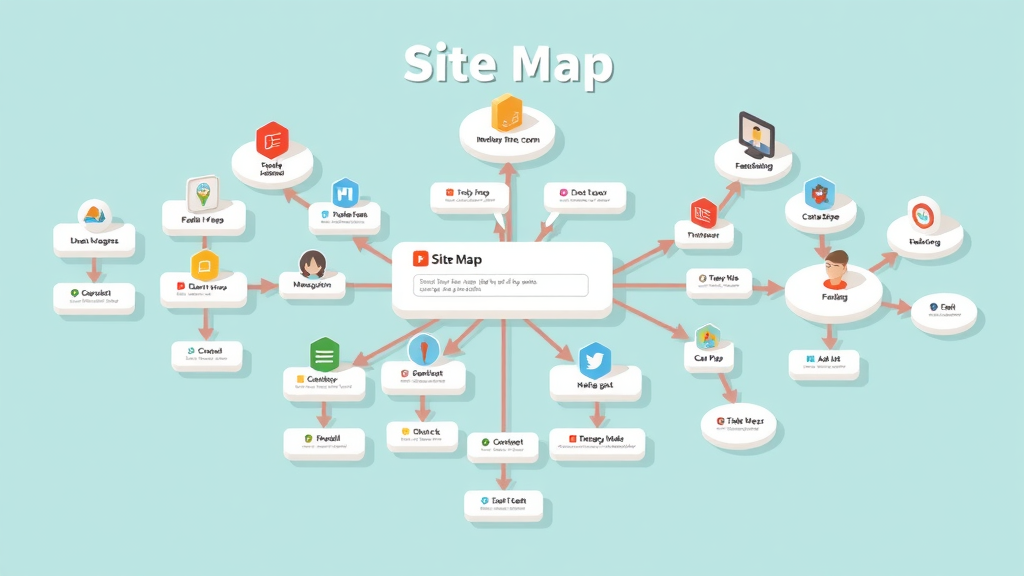

site architecture graphical layout for technical seo and search engines

Web Page Errors: 404s, 5xx, and Crawl Errors

Broken pages and server issues can significantly damage your search engine optimization efforts. Common web page errors such as 404 (page not found), 500 (internal server error), and various crawl errors are red flags to search engines, signaling that your site isn’t well-maintained. These errors disrupt both the user experience and search engine bots’ ability to navigate your website. Frequent technical audits allow site owners to promptly fix or redirect problematic URLs, restoring the integrity of your site’s architecture and improving your rankings.

Beyond just error codes, technical SEO also involves auditing for issues like duplicate content, improper canonical URL implementation, and XML sitemap problems. Addressing these issues ensures that your website’s search engine optimization is robust and comprehensive.

  • Duplicate Content Audit

  • Canonical URL Implementation

  • XML Sitemap Verification

Neglecting these core issues can stall your SEO progress and make it difficult for even the best content to reach your audience.

Quick Technical SEO Fixes That Deliver Immediate Impact

Now that you know what’s holding your site back, let’s dive into quick-win technical SEO fixes. These solutions can have a dramatic and almost immediate impact on your site’s search engine ranking , visibility, and user experience. From optimizing load time and core web vitals to fixing duplicate content and ensuring accurate XML sitemap submission, implementing these changes ensures your website operates at peak technical efficiency.

The best part? Many technical SEO fixes can be managed without a complete site overhaul. Whether you’re a business owner, marketer, or webmaster, tackling these high-priority items will strengthen your search engine presence and help you rank high against your competition.

Optimizing Load Time and Core Web Vitals for Search Engines

One of the most critical technical SEO fixes is optimizing page speed and ensuring your site meets core web vitals benchmarks. Slow websites not only frustrate users but also signal to search engines that your site may not provide the best user experience. By improving metrics like Largest Contentful Paint (LCP), First Input Delay (FID), and Cumulative Layout Shift (CLS), you’ll enhance both usability and your ability to rank high in search results .

Start with image compression, browser caching, asynchronous loading of scripts, and minimizing render-blocking resources. Using tools like Google’s PageSpeed Insights or Lighthouse helps identify and resolve issues that may be dragging down your load times and core web vital scores. By investing in faster site speed, you’re effectively sending a positive signal to both users and search engines.


web developer optimizing website load time and core web vitals for search engines

Actionable Steps to Improve Page Speed and Web Vital Scores

Ready to boost your page speed and core web vitals ? Here are actionable steps:

  • Enable image compression and next-gen image formats like WebP.

  • Reduce the number of server requests through minification and merging of CSS/Javascript files.

  • Prioritize mobile optimization and use a content delivery network (CDN) for global distribution.

  • Leverage browser caching and lazy-load offscreen content.

Resolving Duplicate Content for Better Search Engine Visibility

Duplicate content can dilute your ranking value , confuse search engines, and hurt your site’s credibility. Technical SEO solutions for duplicate content involve conducting regular audits, setting proper canonical URLs, and ensuring each valuable piece of content is unique. When multiple pages on your site display similar or identical information, search engines struggle to determine which page is most relevant for a given search query.

Implementing canonical tags tells search engines which version of a page to index and rank, consolidating authority and eliminating confusion. Regular content reviews and technical site audits reduce the risk of unwanted duplicates and keep your search engine optimization on track.


technical seo expert resolving duplicate content on dual monitors for search engine visibility

Crafting a Robust XML Sitemap for Effective Indexing

An XML sitemap functions as a roadmap for search engine bots, guiding them to every important web page on your site. Creating and maintaining an accurate XML sitemap ensures new and updated content is indexed quickly. Regularly audit your XML sitemap to remove outdated or error-prone URLs, ensuring only valid, high-value pages are sent to search engines for indexing.

Automated tools and plugins can simplify sitemap generation and ongoing maintenance. Always verify that your XML sitemap is submitted to Google Search Console and other major search engines to maximize indexing and online visibility.
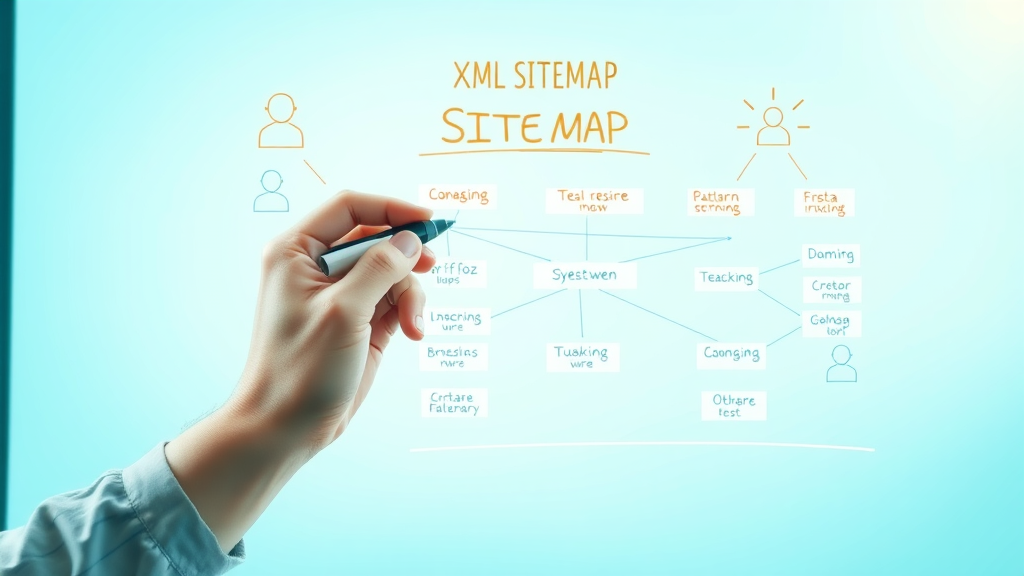

creative webmaster designing xml sitemap for efficient search engine indexing

Utilizing Google Search Console for Technical SEO Insights

Google Search Console is the command center for your technical SEO efforts. It provides actionable insights into crawl errors, indexing problems, and search performance. By regularly monitoring the platform, you can detect issues as they arise and make data-driven decisions about where to focus your optimization efforts.

Key features include Performance reports, Coverage status, and Enhancements for structured data and Core Web Vitals. With Google Search Console, you can identify broken links, uncover duplicate content, and ensure your XML sitemap is correctly processed by search engines.

Comparison Table: Technical SEO Fixes vs. Expected SEO Gains

Technical SEO Fix

Search Engine Benefit

Implementation Effort

Estimated Result

Fix duplicate content

Prevents ranking dilution

Low-Medium

Higher unique rankings

Accelerate page speed

Improves user experience & rankings

Moderate

Lower bounce rates

Create XML sitemap

Enhances indexing

Low

More pages indexed

Add structured data

Rich results in search engines

Medium

Higher CTR

Detailed Checklist for Technical SEO Success

A comprehensive technical SEO checklist is your roadmap for ongoing site health and improved rankings. Use the following action items to structure your technical SEO process:

  1. Audit internal links and site architecture.

  2. Verify and submit XML sitemap to search engines.

  3. Complete a Core Web Vitals assessment.

  4. Remove or manage duplicate content with canonical URLs.

  5. Integrate structured data for rich search features.

  6. Set up and optimize Google Search Console.


seo specialist conducting technical seo checklist in bright office

Advanced Technical SEO Strategies for Lasting Results

Structured Data for Enhanced Search Engine Visibility

Taking your technical SEO to the next level involves implementing structured data (schema markup). Adding structured data to your site’s code helps search engines better understand your content, leading to the possibility of rich results—like featured snippets, rating stars, and more. This not only improves your search appearance but also increases click-through rates (CTR).

Start by adding relevant schema for products, articles, reviews, and FAQs. Use Google’s Rich Results Test to validate your implementation and troubleshoot errors as needed. Advanced structured data strategies can set your site apart in competitive search landscapes.


seo professional coding structured data markup for search engine enhancements

Canonical URL Mastery to Consolidate Ranking Value

Mastering canonical URL configuration is a key technical SEO tactic for consolidating ranking signals and eliminating duplicate content risks. A canonical tag tells search engines which version of a page should be treated as the primary one—especially important when similar content appears across multiple URLs. This is particularly vital for e-commerce stores and blogs with filters or archives that may create several URLs for the same content.

Set rel="canonical" tags correctly on each relevant page, avoid unnecessary URL parameters, and cross-reference with your XML sitemap for consistency. A disciplined approach to canonical URLs ensures that your ranking value concentrates on one authoritative version, propelling it higher in search rankings.


digital strategist specifying canonical urls for technical seo and ranking consolidation

Step-by-Step Demonstration: Boosting Authority Through Internal Links

Boosting your site’s authority and technical SEO starts with optimizing your internal link structure. Strong internal links distribute “ranking power” across webpages, reinforce topic clusters, and help search engines discover all parts of your site. This step-by-step video walks you through mapping your important pages, identifying linking opportunities, and using descriptive anchor text for maximum SEO value. A robust internal linking strategy not only helps search engine bots but also guides users throughout your site for increased dwell time and engagement.

Case Study: Technical SEO Fixes That Drove Dramatic Ranking Improvements

Before-and-After Technical SEO Audit Results

Implementing technical SEO fixes can deliver quantifiable results—sometimes almost instantly. In one case study, a company struggling with crawl errors, duplicate content, and slow load times saw significant change after executing a targeted technical site audit. By enhancing the site architecture , optimizing core web vitals , and consolidating duplicate content, the site achieved a dramatic rise in search rankings.

"After optimizing our site’s technical SEO, we witnessed a 32% increase in organic traffic and a marked improvement in web page rankings."


data analyst comparing technical seo audit results before and after implementation

Live Walkthrough: Tracking Technical SEO Errors and Opportunities

Google Search Console is an essential tool for ongoing technical SEO management. In this video, watch a real-time walkthrough of setting up property verification, tracking crawl errors, and uncovering new optimization opportunities. You’ll learn how to interpret performance reports, track Core Web Vitals, and respond to warnings that could affect your rankings. This hands-on demo ensures you make the most of the platform to monitor and enhance your technical SEO over time.

Technical SEO Best Practices: Real-world Applications for Web Vitals

See technical SEO in action as the video addresses real-world fixes for Core Web Vitals and page speed improvements. From lazy-loading images to asynchronous script loading, you’ll witness step-by-step remediation of issues hindering user experience and SEO. Each example demonstrates the direct correlation between technical enhancements and improved metric scores, making a compelling case for regularly maintaining and upgrading your site’s technical infrastructure.

People Also Ask: Essential Technical SEO Questions

What is technical SEO?

  • Technical SEO refers to optimizing a website's structure, code, and infrastructure to ensure search engines can efficiently crawl, render, and index content. This includes addressing site speed, mobile-friendliness, sitemaps, structured data, and more.

What is SEO in technical terms?

  • In technical terms, SEO is the process of configuring a website to meet the technical requirements of search engines, focusing on crawlability, indexation, site architecture, and performance metrics like page speed and core web vitals.

What is the difference between technical SEO and on page SEO?

  • Technical SEO addresses the backend elements affecting website performance and search engine accessibility, while on page SEO focuses on optimizing the content and HTML tags of each web page for relevance and search visibility.

What is the difference between technical SEO and local SEO?

  • Technical SEO optimizes a website's technical aspects for all audiences, improving its overall search potential, while local SEO involves strategies to enhance visibility in local search results and Google Maps, such as optimizing Google My Business profiles.

Elevate Your Technical SEO: Action Items for Sustainable Growth

  • Schedule regular technical audits.

  • Monitor site speed, core web vitals, and structured data.

  • Update internal links and check for crawl errors.

  • Use Google Search Console for ongoing improvements.

"Consistent investment in technical SEO is essential if you want to maintain and grow your visibility across all search engines."

Key Takeaways for Technical SEO Excellence

  • Technical SEO is foundational for high search engine rankings.

  • Identify and fix errors for improved web page performance.

  • Maintain technical health for ongoing search engine success.

Answers to Frequently Asked Questions About Technical SEO

  1. Q: Does technical SEO affect rankings directly? A: Yes, search engines prioritize websites with strong technical SEO in their ranking algorithms.

  2. Q: How often should technical SEO audits be performed? A: Conduct a comprehensive technical SEO audit at least quarterly and after any major site update.

  3. Q: Should I prioritize technical SEO over content? A: Your technical SEO and content strategy should work hand-in-hand for maximum visibility.

Schedule a Free Strategy Session for Technical SEO Transformation

  • Unlock your site's potential and dominate search engine results— Schedule a Free Strategy Session Today! https://hub.prospectrocket.com/AR/eymcalendar

To deepen your understanding of technical SEO and its impact on website performance, consider exploring the following resources:

  • “What is Technical SEO?”

This article provides a comprehensive overview of technical SEO, detailing its key components such as sitemaps, structured data, and site architecture. It emphasizes the importance of these elements in ensuring a website is easily crawlable and indexable by search engines, which is crucial for improving search engine rankings. ( ahrefs.com )

  • “Full Technical SEO Checklist to Improve Your Rankings in 2025”

This checklist offers actionable steps to enhance your website’s technical SEO, including improving page speed, optimizing for Core Web Vitals, and ensuring mobile-friendliness. Implementing these strategies can lead to better user experience and higher search engine rankings. ( semrush.com )

By delving into these resources, you’ll gain valuable insights and practical techniques to strengthen your website’s technical foundation, ultimately boosting its visibility and performance in search engine results.


Website Optimization Tips

Write A Comment

*
*
Related Posts All Posts
12.05.2025

Landing Pages That Convert Website Visitors Fast

Did you know that up to 98% of ad spending goes to waste when your landing page fails to convert website visitors? Businesses can see their marketing budgets evaporate without anything to show for it. If you’re ready to stop losing leads and start turning web traffic into paying customers, you’re in the right place. Startling Facts About Landing Pages That Convert Website Visitors Discover why businesses lose up to 98% of their ad spend due to non-converting landing pages that fail to convert website visitors "The difference between a landing page that converts website visitors and one that doesn't often comes down to just a few powerful tweaks." What You’ll Learn About Landing Pages That Convert Website Visitors The anatomy of high-converting landing pages Common pitfalls in landing page design Effective tips to maximize landing page conversion rate Real examples of pages that convert Step-by-step design checklist for landing page success What Are Landing Pages That Convert Website Visitors and Why They Matter? Landing pages that convert website visitors are specially designed web pages with a clear purpose: turning casual browsers into leads or customers. While a homepage introduces your brand, a high-converting landing page is laser-focused on a single desired action —like signing up, booking a demo, or making a purchase. The power of a landing page lies in its ability to eliminate distractions and guide visitors towards the intended outcome, making it one of the most important tools in digital marketing and lead generation . Conversion rate—the percentage of visitors taking the desired action—is the ultimate measure of a landing page's success. Landing pages that convert website visitors effectively can boost your return on investment (ROI) by capturing high-quality leads at a fraction of your usual ad spend. Understanding how landing page conversion works is essential for anyone serious about maximizing their page conversion rate and driving business growth. Defining Landing Page Conversion and the Role of Landing Pages Landing page vs home page Primary goal of landing pages that convert website visitors The science behind landing page conversion rate One key difference between a landing page and a home page is clarity. Home pages often have multiple links, menus, and distractions. In contrast, a converting landing page removes navigation, keeps the content tightly relevant, and positions a bold call to action . Designing for conversion means every element—headline, image, form, and button—serves a single purpose: to increase conversion rates and drive your target audience down the funnel. The science of conversion rate optimization (CRO) relies on psychological triggers, persuasive copy, and UX best practices. Simple tweaks—like a more urgent headline or a cleaner form—can lift results dramatically. By understanding these subtle distinctions in landing page design , you give your business a measurable edge and get more value from your digital marketing budget. The Impact of a Converting Landing Page on Lead Gen and Business Growth How converting landing pages fuel lead generation and sales Statistics on average conversion rates for landing pages across industries Exceptional page design can elevate your lead gen and revenue. Converting landing pages remove friction points, prompting quick decisions and collecting valuable user data. Across industries, the average conversion rate for landing pages hovers between 2% and 5%. However, the top performers routinely achieve above 10%—sometimes 5x the industry norm. Every fractional increase equals exponential gains over thousands of visitors. Average Conversion Rate by Industry for Landing Pages That Convert Website Visitors Industry Average Conversion Rate eCommerce 2.0% - 4.5% B2B 3.0% - 7.0% SaaS 5.0% - 10.0% Legal 2.5% - 6.0% Finance 4.0% - 8.0% Healthcare 2.5% - 5.5% The math is simple: Improve conversion by a few percentage points and you multiply your sales without increasing ad spend. That’s why investing in landing pages that convert website visitors delivers one of the highest ROI opportunities in modern digital marketing . Essential Elements of Landing Pages That Convert Website Visitors Landing Page Design Principles for High Conversion Key page design elements that drive landing page conversion F-shaped and reverse pyramid reading patterns in landing page design Effective landing page design is about more than looks—it's about guiding your visitor’s eyes to the call to action . Researchers have revealed that people often scan web pages in an “F-pattern,” focusing on the headline, then the opening lines, and finally glancing down the left side. The reverse pyramid principle solves for this, presenting the most important value proposition and CTA at the top, supporting details below, and additional information at the bottom. This ensures your most crucial message and action are never missed. Conversion-driven page design incorporates bullet points for readability, bold contrasting CTA buttons, minimal navigation, and compelling media. Every element should exist for a reason: to make the visitor feel understood, build trust, and nudge them toward the next step. The secret is simplicity—removing anything that doesn’t help a visitor convert. How Headlines and Copy Influence Landing Pages That Convert Website Visitors Crafting compelling landing page headlines Copywriting tricks that boost landing page conversion rate The headline is the hook: it should state what you offer and why it matters in less than five seconds. Use clear, benefit-focused language to tell your target audience exactly what they’ll get (“Get a Free Trial Today—Grow Your List Fast”). Supporting copy should overcome objections, highlight benefits, and use customer-centric language to build urgency. Conversion copywriting means every word points visitors to the call to action . Use short paragraphs, punchy bullet points, exclusive offers, and active verbs. Examples: “Start for free,” “Book your demo now,” or “Unlock your savings.” A persuasive, on-brand message can be the tipping point between a bounce and a conversion. Images, Visuals, and Social Proof on Converting Landing Pages Effective use of visuals in landing page design Real-world examples of social proof increasing conversion Images and visuals add credibility and keep your landing page engaging—especially real product shots, service illustrations, or customer photos in action. Visual cues like directional arrows can subtly guide attention to your CTA button . Social proof —like testimonials, reviews, trust badges, and recognizable brand logos—can drastically improve your conversion rates . Visitors trust peer experiences. Case in point: displaying a few highlighted, authentic customer quotes or a “500+ signed up this month” badge can provide the reassurance needed to tip a visitor from “maybe” to “yes.” Powerful Calls to Action: Guiding Users on Landing Pages That Convert Designing a clear call to action CTA button placement and copy for maximum page conversion Your call to action is the finish line for your landing page. Placement matters: best practice is to position the CTA button above the fold, repeated at the end, and on any scroll-heavy sections. Use bold contrasting colors and urgent, benefit-focused text—like “Get Your Free Report,” not just “Submit.” Button size, whitespace, and microcopy (small lines below the button reinforcing next steps, e.g., “No credit card required for your free trial”) all help. Ensure that once the target audience is convinced, nothing stands between them and the desired action . Understanding Your Target Audience and User Experience For Landing Pages That Convert Website Visitors How to Identify Your Target Audience for Higher Landing Page Conversion Researching user intent for landing pages Customizing landing page content to the target audience Success starts with pinpointing your target audience . Conduct customer interviews, analyze analytics, and build detailed personas . The more you understand their pain points, motivations, and what drives them to act, the better you can align your landing page content to their needs. Customize the offer, images, copy, and value proposition so that every visitor feels, “This is for me.” Use analytics to track who’s converting and why—and test regularly to stay in tune with shifting audience interests. The result? Better engagement, higher conversion rates , and reduced bounce. Mobile-First Design and Testing for Conversion Ensuring user experience (UX) on mobile devices Tools to test landing pages that convert website visitors With most traffic coming from mobile devices , a responsive landing page is non-negotiable. Mobile-first page design means decluttering, using larger fonts and buttons, and ensuring forms are simple to tap and submit. Navigation and load speeds must be flawless to avoid losing impatient users. Employ testing tools (like Google Optimize, Hotjar, or device previews) to visualize the user journey on every mobile device . Prioritize tap-to-call CTAs, autofill fields, and sticky buttons. By focusing on mobile user experience , you ensure your landing pages convert website visitors wherever they are. Best Practices and Optimization Tips for Landing Pages That Convert Website Visitors A/B Testing: Key to Improving Landing Page Conversion Rate Setting up and analyzing A/B tests on landing pages Data-driven approaches to optimize landing page conversion To maximize your landing page conversion rate , run A/B tests—comparing two page or copy variations head-to-head. Test CTAs, headlines, images, colors, and form fields. Measure results statistically before rolling out changes. Even a 1% conversion rate lift can mean thousands in extra revenue. Use analytics tools, track heatmaps, and analyze user behavior to see where visitors drop off. Data-driven optimization lets you adapt quickly, ensuring your pages that convert keep improving—based on evidence, not gut feeling. Reducing Bounce Rates on Landing Pages That Convert Website Visitors Tactics to improve engagement Real-world case studies of converting landing page optimizations High bounce rates signal disconnects between user expectations and content. Address this by sharpening your value message above the fold, reducing load times, and matching ad copy tightly with the landing page . Embed trust signals (testimonials, stats, security badges)—these can instantly reassure nervous new visitors. Real-world case studies show that eliminating form fields, simplifying language, and using benefit-driven CTAs can lower bounce dramatically. Monitor your analytics to spot problem areas, then fix and retest. Small tweaks add up to a big impact on page conversion rate . Integrating Landing Pages With Social Media and Other Traffic Sources Driving traffic from social media to landing pages Cross-channel tactics to increase landing page conversion Social media is a goldmine for targeted traffic—if you connect campaigns to relevant pages that convert . Customize each landing page to mirror your ad’s headline, image, and promise. Use tracking pixels to retarget, and make it seamless for users to transition from a mobile device or feed straight into your conversion funnel. Cross-channel synergy matters: send email subscribers, social followers, and referral traffic to special landing pages designed for their audience segment. This ensures consistency, maximizes your conversion rate , and builds powerful momentum for your digital marketing efforts. Step-By-Step Guide to Creating Landing Pages That Convert Website Visitors Creating Landing Pages: From Idea to Launch Planning your landing page Choosing the right landing page builder or platform Setting goals for landing page conversion Start by defining your primary goal: lead gen, sales, demo bookings, or signups . Next, outline your offer and core value proposition. Select a landing page builder that supports A/B testing and mobile-first templates. Then, map out your content, images, and conversion paths. Set up analytics to track your page conversion rates. Identify key performance indicators (KPIs) like bounce rate , form submission, and CTA clicks before launch. A strong foundation ensures your landing pages that convert website visitors are built to evolve and improve post-launch. Checklist: Designing Pages That Convert Quickly Checklist of must-have elements for converting landing pages Before pressing publish, run through this must-have landing page design checklist: Compelling headline and subheadline Clear, singular call to action (CTA) Concise benefit-driven copy Visual proof: product images, customer logos, testimonials Minimal distractions—remove secondary navigation Mobile and speed optimized Form fields only for essential info Trust badges and privacy reassurances A/B test elements regularly Real Examples of High-Converting Landing Pages That Convert Website Visitors Case Study: Award-Winning Landing Page Design and Conversion Breakdown of a successful campaign’s page design, average conversion, and key takeaways Consider a SaaS company offering a free trial : They redesigned their landing page to focus on a vibrant benefit-driven headline, minimal fields, and real customer testimonials. The result? Conversion rates jumped from 2% to 8% in six weeks, quadrupling lead gen . Main takeaways: clarity, proof, and a frictionless signup process win every time. Visual Tour: Before-and-After of Converting Landing Pages Images showing the transformation and impact on conversion rate In many cases, the “after” version of a converting landing page trims unnecessary copy, features more compelling visuals, and puts the CTA front and center. Data shows that even seemingly small changes—like moving testimonials above the fold or changing a button from “Submit” to “Get My Free Guide”—can have a huge impact on the average conversion rate . Explainer - Anatomy of Landing Pages That Convert Website Visitors Expert Insights: Quotes on Landing Pages That Convert Website Visitors "High-converting landing pages are born from data and empathy — understanding what your visitors need at the exact moment they land." – Conversion Rate Expert "The average landing page conversion rate is only 2.35%, but the top 25% convert at 5.31% or higher. Optimize relentlessly." – Landing Page Design Authority Frequently Asked Questions on Landing Pages That Convert Website Visitors How to make a landing page that converts? Step-by-step approach for high-converting landing page design Addressing the essential elements for conversion Start with a focused headline and a clear offer. Align your visuals and copy to the expectations of your target audience . Use concise, benefit-oriented language with trust-building elements such as testimonials and security badges. Place a single, visible CTA button above the fold and keep form fields to a minimum. Test your landing page on desktop and mobile devices , and use analytics to continually optimize each element for conversion. What are high-converting landing page examples? Showcasing benchmark pages that convert Lessons learned from top performers Examples include Shopify’s simple free trial signup (benefit headline, strong visual, trust badges), Unbounce templates, and Dropbox’s minimal design with a bold CTA. These pages that convert eliminate distractions, highlight key benefits, and leverage powerful social proof to drive action. How to write a landing page copy that converts? Copywriting frameworks Examples of conversion-driven headlines and calls to action Use frameworks like PAS (Problem–Agitate–Solution) or AIDA (Attention–Interest–Desire–Action). Example headline: “Stop Losing Leads. Boost Your Sales in Just 7 Days.” Pair with an urgent, actionable CTA: “Get Started Now” or “Unlock My Free Guide.” Focus on benefits, proof, and a clear value proposition for your target audience . What are the three types of landing pages? Explaining click-through, lead generation, and sales landing pages Choosing the right type for your campaign Click-through landing pages: Used to warm up visitors before checkout or sign-up, usually found in ecommerce funnels. Lead generation landing pages: Collect user information for follow-up, ideal for lead gen and B2B campaigns. Sales landing pages: Directly sell a product or service , optimized for immediate purchase with persuasive copy and visuals. digital marketing Step-by-Step Walkthrough: Building a Landing Page That Converts Website Visitors Top Mistakes That Prevent Landing Pages from Converting Website Visitors Common pitfalls in landing page design Errors that kill conversion rate Ways to audit and fix your pages that convert The biggest mistakes are unclear headlines, too many form fields, weak CTAs, and lack of social proof . Slow loading times, poor mobile experience, or mixed messages can all cripple your conversion rates . Audit your landing page regularly—seek out and remove friction, and use feedback to guide improvements. Checklist for Landing Pages That Convert Website Visitors Every Time Practical list of action items Final checks before launch Ensuring your landing pages are optimized for every visitor Is the offer and headline immediately clear? Is your CTA visible and persuasive? Are there any distracting links? Does your landing page load in under 3 seconds? Is your form as short as possible? Are trust badges and social proof present? Have you A/B tested your main elements? Did you test the page on all devices? Landing Page Review: Critiquing Real Landing Pages That Convert (and Those That Fail) Recap and Key Strategies on Landing Pages That Convert Website Visitors Major takeaways from the guide The importance of continuous testing and optimization Aligning page design with business goals for sustainable growth "Landing pages that convert website visitors are not created by accident but by following proven design principles, testing, and adapting to user needs." To achieve lasting success, revisit your landing pages often: iterate, test, and align content with evolving business goals. Continuous improvement builds conversion rate momentum. Ready to Build Landing Pages That Convert Website Visitors? Start applying these actionable strategies today Turn your web page into a high-performing converting landing page Explore advanced landing page conversion tools and resources Take the first step: review your best and worst performing landing pages right now. Pick three strategies from this guide and implement them on your next web page update. Your future conversion rate will thank you. Action Steps: Audit your current landing pages , implement proven design techniques, test relentlessly, and continually optimize for your target audience . Results follow action. To enhance your understanding of creating effective landing pages, consider exploring the following resources: “7 Ways to Convert Visitors into Customers with a Landing Page” ( dorik.com ) “How to Build a Landing Page That Converts Visitors Into Customers” ( entrepreneur.com ) These articles provide actionable strategies and insights to help you design landing pages that effectively convert visitors into customers.

11.24.2025

How to Reduce Customer Drop-Off Rates Starting Today

Did you know that the average drop-off rate in ecommerce is a startling 69.57% , meaning nearly seven out of every ten potential customers abandon their journey before converting? If that number raised your eyebrows, you're not alone—businesses across every sector are grappling with the challenge of high drop-off rates. Mastering how to reduce customer drop-off rates isn't just about plugging leaks; it's about immediately boosting revenue, sharpening your competitive edge, and ensuring sustainable growth. This guide unpacks step-by-step solutions, actionable analytics, and proven techniques so you can start reducing drop-off today. Unlocking the Truth: Startling Stats on How to Reduce Customer Drop-Off Rates Jaw-Dropping Statistic: Average cart abandonment rates for online retailers hover around 70% across industries, with SaaS and B2B services often experiencing similar or even higher drop-off points. It's critical to reduce customer drop-off rates because each drop-off represents a lost opportunity and potential revenue. High abandonment rates stall growth, diminish the user journey , and inflate customer acquisition costs. Businesses that actively monitor and reduce drop off are proven to outperform competitors, strengthen their brand reputation, and maximize their marketing ROI. What You'll Gain by Mastering How to Reduce Customer Drop-Off Rates You'll dig into what drives a high abandonment rate and drop off rate , exploring how user pain points and process friction keep potential customers from converting. You'll access practical, step-by-step tactics to diagnose funnel drop issues and implement targeted solutions that reduce drop immediately. You’ll discover power tools, such as session recording , analytics tool dashboards, and advanced user journey optimization practices that reveal what’s happening at each stage of your funnel. Gain key insights on increasing conversion rate and improving user experience so you can turn more visitors into loyal customers. Get a hands-on walkthrough for Google Analytics and advanced metrics, making it easy to build actionable reports that fuel decisions and rapid improvement. Understanding the Drop Off Rate: Foundations that Matter Defining Drop Off Rate vs Abandonment Rate: Key Differences The drop off rate refers to the percentage of users who start a process but don’t complete it, while the abandonment rate typically highlights how many users abandon a cart or a form. Meanwhile, bounce rate measures people who leave after viewing a single page, not taking further actions. These distinctions matter because each metric sheds light on different stages of the user journey and points to unique pain points or bottlenecks. Every stage of your marketing or sales funnel offers a chance for users to drop off. Whether it’s on landing pages, product details, form fields, payment steps, or confirmation pages, a high drop off rate at any funnel stage can dramatically lower overall completion rates . By breaking down where users drop, businesses can target improvements—and measure conversion rates more effectively. The Science of Funnel Drop and Funnel Analysis Modern businesses harness Google Analytics and their preferred analytics tool to conduct funnel analysis , tracking where funnel drop happens and why. This involves plotting each step of the customer journey and reviewing where the greatest losses occur—be it sign-up abandonment, lost checkouts, or missed form submissions. Funnel drop insights empower teams to focus their efforts and test the precise improvements needed to reduce drop off . Pairing funnel analysis with real-time behavioral tracking lets you pinpoint exactly why users drop at specific points—essential for boosting your conversion rate and outpacing competitors. How Session Recording Reveals Drop Off Triggers Session recording technology offers a powerful way to visualize user behavior on your site. By tracking users as they navigate, click, and abandon processes, you gain priceless insight into their motivations and stumbling blocks. Examples include seeing where users hover, rage-click, or drop after encountering a confusing form field or broken checkout process. This behavioral data helps prioritize fixes: whether it’s removing a friction point, clarifying navigation, or simplifying a checkout experience. Applying session recordings leads directly to actionable changes that reduce drop and push more users toward conversion. Diagnosing Why Drop Off Happens: User Behavior and Experience Essentials User Journey Mapping and Session Recording Insights Understanding the flow of the user journey means illuminating every touchpoint: from first ad click to site entry, navigation, form entry, and checkout. Session recording brings this journey to life by allowing you to see real users drop at the most typical trouble spots, like abandoned carts, stalled registration, or missed CTAs. Best practices for session recording include: focusing on high-exit pages, monitoring the exit rate alongside bounce and drop metrics, and tagging sessions with critical events like errors or incomplete form submissions. This lets you zero in on what’s driving abandonment and how to fix it. Impact of Poor User Experience on Drop Off Rate The biggest triggers for customer drop-off often include slow website load times , a complicated checkout process , and unclear or missing calls-to-action. When a site takes too long or a form field seems confusing, users abandon in droves, slashing your conversion rate and hurting revenue. A strong user experience is central to reducing drop off. Ensure processes are streamlined, navigation is intuitive, and the path to purchase is direct—keep the friction points minimal to encourage completion at every stage. Even a minor tweak, like clarifying a button, can have a dramatic impact. Analyzing User Engagement – Metrics Beyond Bounce Rate While a high bounce rate signals immediate exits, metrics around user engagement —like time on site, click depth, session duration, and repeat visits—offer a deeper window into the customer experience . By layering these insights with exit rate and session recording data, you gain a holistic view and can address both obvious and subtle user pain points. Businesses that routinely analyze these metrics are more successful at reducing drop off and nurturing higher conversion rates. Focusing on the complete user journey as opposed to single metrics keeps your improvement process robust and data-driven. How to Reduce Customer Drop-Off Rates: Step-By-Step Processes Conduct a Comprehensive Funnel Analysis Using Google Analytics: Map every step that customers take on your site, from landing on your homepage to making a purchase. Use advanced funnel analysis to identify major choke points where users drop off and compare these findings across different segments, like device type and traffic source, for maximum clarity. Utilize Session Recordings to Pinpoint Pain Points: Record and review actual user sessions at key funnel stages. Watch for moments when users abandon the process, get confused, or encounter friction—common issues are long forms, unclear pricing, or technical errors. Tag and quantify these issues for immediate prioritization. Actively Reduce Drop by Optimizing Critical Touchpoints: Take action on what you find. If users abandon at the payment step, simplify payment options or clarify trust signals. Update confusing form fields, fix broken links, and ensure all CTAs are visible and enticing. Test and Refine the Checkout Process: Regularly A/B test the checkout process with different layouts, button placements, and progression paths. Even small tweaks—like reducing the number of required fields—can greatly cut the abandonment rate. Continuously Monitor Conversion, Bounce, and Exit Rates: Your work is ongoing. Routinely review conversion rates and keep a close watch over bounce rate and exit rate changes so you can fine-tune processes based on the latest data. Optimizing User Experience & Checkout Process to Reduce Drop Off Practical Steps to Improve Conversion Rate and Curb Abandonment Streamline forms: Cut out unnecessary fields to speed things up, making the process less overwhelming for users. Guide them through just the essentials to keep the user journey smooth and straightforward. Reduce load times & enhance design: A speedy, visually appealing site builds trust and engagement. Use lightweight images, intuitive navigation, and readable text to keep users’ attention and encourage them to complete their goals. Employ clear CTAs & personalized recommendations: Well-placed, descriptive buttons and tailored product suggestions based on past behavior help nudge users forward, lowering both the drop off rate and abandonment rate . Session Recordings: Real-World Examples of Success Real brands have documented staggering drop off reductions—one SaaS company used session recordings and their preferred analytics tool to discover users got stuck at the payment selection step. By streamlining payment options and simplifying copy, they reduced drop off by 18% and grew their conversion rate by double digits in just one quarter. Another ecommerce retailer identified that most users dropped after hitting an ambiguous promo code field. By clarifying their messaging and auto-applying common promos, their abandonment rate plummeted, and customer satisfaction soared. Using Google Analytics and Advanced Analytics Tools for Drop Off Rate Reduction Setting Up Funnel Analysis and Custom Reports Step-by-step: Set up funnel analysis by defining each conversion stage in Google Analytics . Monitor at which steps users exit and use custom reports to drill into demographics, devices, and acquisition channels for granular insights. Key metrics: Focus on the funnel drop rate, bounce rate , exit rate , and overall conversion rates . These numbers help you spot where attention is needed most and measure the effectiveness of any new changes. Leveraging Session Recording for Data-Driven Decisions Implement session recording at high-traffic pages and at each major step in your conversion funnel. The visual data you’ll capture reveals real user paths, the frequency of error encounters, and journey completion struggles in a way that survey feedback simply cannot provide. Use this objective evidence to champion changes across teams. Frequent reviews and open reporting drive a culture of incremental improvement, resulting in lower drop off and higher user engagement . Top 10 Strategies to Reduce Drop Off Rate and Abandonment Rate Today A/B test user flows and CTAs for clarity and appeal. Personalize the user journey based on behavior and past purchases. Optimize every experience for mobile users—Inefficient mobile flows cause major drop offs. Simplify forms—ask only for essentials to reduce friction. Proactively address objections within your checkout process (trust badges, FAQs, clear policies). Set up retargeting and abandonment follow-up emails to re-capture lost users. Provide live chat and support options within the conversion funnel. Leverage social proof, reviews, and satisfaction guarantees for trust. Continuously use advanced analytics tools and session recordings to validate and improve. Iterate—test changes, monitor conversion rates and learn from real user behavior for ongoing reduction in abandonment rates. How to use Google Analytics for Funnel Drop Analysis. Real-Life Case Studies: Achieving Lower Drop Off Rate and Higher Conversion Rate One top e-commerce retailer reduced abandonment rate by 25% by introducing transparent shipping policies, streamlining mobile checkout, and **implementing live session recordings** to troubleshoot drop-offs in real-time. A B2B subscription service used Google Analytics and session recordings, resulting in a 3X improvement in completed registrations. Their before-and-after metrics showed a drop from a 60% to 24% drop off rate in onboarding—a direct result of proactive, data-driven improvements. Comparative Table: Industry Benchmark Metrics Industry Drop Off Rate Bounce Rate Conversion Rate Ecommerce 60-70% 45-55% 2-4% SaaS 50-65% 35-50% 4-8% Lead Generation 55-68% 50-65% 5-10% B2B Services 45-60% 40-60% 7-12% "80% of users who abandon at the checkout process say one friction point could have changed their mind." People Also Ask What is a good drop-off rate? A "good" drop-off rate depends on your industry. E-commerce typically aims for below 60%, SaaS targets under 50%, and B2B strives for rates below 45%. The key is to benchmark against your direct competition and continually optimize to beat the industry average. What is the formula for drop-off rate? The formula is: (Number of users who started – Number of users who completed) ÷ Number of users who started x 100 . For example, if 1,000 users start a checkout and 600 finish, your drop-off rate is [(1000-600)/1000] x 100 = 40%. Always use real, recent data for accuracy. What is the drop-off rate in marketing? In marketing, "drop-off rate" measures the proportion of users who leave a funnel or journey before reaching a desired conversion point. It's a key metric for email sequences, paid campaigns, and website flows to diagnose and reduce drop off throughout the user journey . What is the funnel drop-off metrics? Funnel drop-off metrics include: step completion percentage, exit rate at each stage, conversion rates , bounce rate , and time to completion. Key tools to monitor these metrics are Google Analytics , Mixpanel, and session recording platforms. Expert FAQs on How to Reduce Customer Drop-Off Rates What are the quickest wins for reducing drop off? Remove excess form fields, speed up your site, clarify CTAs, and fix technical errors. These actions typically yield immediate improvements in conversion rates . Which analytics tool is best for session recordings and funnel analysis? Hotjar, FullStory, and Crazy Egg are leading session recording platforms, while Google Analytics provides robust funnel analysis . How does exit rate differ from bounce rate? Bounce rate counts users who leave after viewing just one page; exit rate measures how often users leave from a specific page, after visiting multiple pages. Both are critical to diagnosing funnel drop. How to track user behavior to decrease abandonment rates? Use session recording , heatmaps, and analytics tools to visualize and measure how users interact with your funnel, reveal pain points , and experiment with targeted changes. Checklist: Immediate Actions to Reduce Drop Off and Boost Conversion Rate Audit your end-to-end user journey for major friction points. Set up Google Analytics funnel tracking for your key conversion paths. Start capturing and reviewing session recordings at stages with the highest exit rate. Simplify and streamline all forms and the checkout process . Test different CTAs, button placements, and trust elements. Monitor real-time metrics after each major change and iterate. Make use of handy templates and recommended analytics tool to track and manage data efficiently. Key Takeaways for Learning How to Reduce Customer Drop-Off Rates Measure, monitor, and proactively improve drop off rate and abandonment rate routinely. Use session recording , Google Analytics , and user journey mapping to illuminate real user actions and guide decisions. Implement actionable steps—streamline, test, personalize, and iterate—to build continual growth in conversion rates and customer satisfaction. Ready to Reduce Customer Drop-Off Rates? Take Action Now! Implement the strategies above right away to see improved conversions, stronger customer loyalty, and measurable revenue growth. Businesses that optimize for drop-off reduction outperform year after year. Schedule a Free Strategy Session Today! To further enhance your understanding of reducing customer drop-off rates, consider exploring the following resources: “Understanding and Preventing Customer Drop-Off” : This article delves into common causes of customer drop-off, such as poor user experience and complex checkout processes, and offers strategies like enhancing website design and streamlining the checkout process to mitigate these issues. ( shipscience.com ) “Understanding Drop-Off Rate and How to Reduce It” : This resource provides a comprehensive overview of drop-off rates, including methods to measure and analyze them, and outlines strategies such as optimizing user experience and personalizing content to effectively reduce drop-offs. ( useiterate.ai ) By reviewing these articles, you’ll gain additional insights and practical strategies to effectively reduce customer drop-off rates and enhance your business’s performance.

08.07.2025

Unlock Sales with Responsive Web Design Secrets Now

Did you know? Over 60% of global website traffic now comes from mobile devices—if your web design isn’t responsive, you’re losing potential customers before they even see your product. In today’s ultra-competitive digital marketplace, making your website accessible and engaging across all devices isn’t just a bonus—it’s a necessity. In this guide, you’ll uncover practical strategies for harnessing responsive web design to not only attract more visitors but also skyrocket your sales. Why Responsive Web Design is Essential for Modern Businesses Responsive web design is now the gold standard for modern businesses aiming to thrive online. With customers accessing websites from a growing range of devices—smartphones, tablets, laptops, and desktops—companies can’t afford to ignore the impact of adaptable, fluid website layouts. A responsive site ensures that every visitor receives an experience optimized for their device, directly supporting better user experience and increased sales. For example, e-commerce stores that employ responsive web design see higher mobile conversion rates and lower bounce rates compared to those with static, desktop-only layouts. Emails, ad campaigns, and social shares are predominantly opened on mobile; if your landing page doesn’t look impeccable at first glance, you risk losing your audience instantly. The fundamentals behind responsive web design Key elements and tactics for creating an adaptive web page How media queries, meta tags, and flexible images play a role Actionable strategies for improving sales through responsive websites "Over 60% of global website traffic now comes from mobile devices—if your web design isn’t responsive, you’re losing potential customers before they even see your product." Understanding Responsive Web Design: Definitions and Foundations What Is Responsive Web Design: Key Concepts Explained Responsive web design revolves around crafting web pages that automatically adjust their layout, images, and content for optimal viewing on any screen size or device. Originally defined by web expert Ethan Marcotte, the approach combines fluid grids, media queries, and flexible images to create web experiences that dynamically reshape based on screen width—without manual intervention. Instead of separate mobile and desktop sites, one set of style sheets and HTML serves all users. Important concepts include using relative units like percentages in CSS instead of fixed pixel values for layouts, ensuring that images and fonts scale smoothly. Responsive design isn't merely aesthetic; it’s about delivering seamless user experience and accessibility, no matter where or how users access your site. This is especially crucial as people increasingly move between devices throughout the day, expecting fast, beautiful, and easy-to-use web pages everywhere. The Impact of Responsive Web Design on User Experience and SEO A well-executed responsive design dramatically enhances both user experience and search engine optimization (SEO). Google explicitly favors mobile-friendly, responsive web pages in its ranking algorithm, rewarding them with higher visibility in search results. When visitors land on your site, responsive layouts eliminate pinch-zooming, sideways scrolling, and awkward navigation, making your brand feel polished and approachable. Furthermore, responsive web design reduces duplicate content issues—since one version of your site adapts everywhere—streamlining your SEO efforts. Fast load times and intuitive layouts also decrease bounce rates and increase the time users spend exploring your content. Ultimately, when users can easily interact with your site regardless of device, they’re more likely to trust your brand and complete purchases. Core Components of Responsive Web Design Responsive Web Layouts: Fluid Grids and CSS Breakpoints The foundation of a robust responsive web layout is the fluid grid —a flexible structure where all elements scale proportionally based on screen size rather than remaining in fixed positions. By employing CSS relative units like em , rem , and percentages, layouts expand or contract gracefully, filling the browser window intelligently across devices. This approach supersedes rigid, pixel-based layouts, allowing your design to “breathe” with the user’s screen. Equally important are CSS breakpoints : specific screen width thresholds defined with media queries that trigger alternative layout rules within your CSS style sheets. For example, you might set a breakpoint at 768px for tablets and another at 480px for mobile phones. At each breakpoint, text size, navigation, and images may resize or shift, ensuring every user—whether on a wide desktop monitor or a compact smartphone—enjoys an experience tailored to their device. Media Queries for Responsive Design: How They Work Media queries are the magic bullet for tailor-making your web page appearance to any screen size . These snippets of CSS code use logical conditions—like min-width , max-width , or orientation —to detect the characteristics of the device on which the website is being viewed, and then apply styles accordingly. For instance, a media query might enlarge buttons for touchscreens or rearrange navigation on extra-small screens. Deploying granular media query rules is crucial for a cohesive adaptation across small screens, tablets, and desktops. As users switch between devices, media queries assure content remains readable and interactive, maximizing both accessibility and engagement. For businesses, this means fewer lost sales due to awkward or broken mobile experiences. The Power of Meta Tag and Viewport Meta in Responsive Websites HTML’s viewport meta tag is the linchpin for achieving true responsive web design on mobile devices. This snippet appears in the document’s <head> and tells browsers how to adjust the page’s dimensions and scaling based on the device’s screen width. The recommended code— <meta name="viewport" content="width=device-width, initial-scale=1"> —instructs mobile browsers to render the page at the device’s natural width rather than scaling a wide desktop site to fit. Proper usage of meta tags, especially the viewport meta, prevents problems like text appearing minuscule on mobile, or requiring users to pinch and zoom just to read a headline. It acts as the handshake between your CSS breakpoints and the hardware, ensuring your responsive website looks great wherever it loads. Optimizing Images with Responsive Image Techniques Flexible Images and Responsive Images: Best Practices Flexible images , or responsive images , are critical to web performance and user experience. Traditionally, static images set to a fixed width could break layouts or load slowly on sluggish mobile connections. By contrast, using CSS properties like max-width: 100% ensures images scale down (but not up) to fit their containers. This avoids overflow glitches and delivers an always-pixel-perfect result, regardless of device. Beyond CSS, responsive image techniques also include the <picture> element and srcset attribute in HTML, enabling browsers to select the most appropriate file size for the user’s screen. This saves bandwidth, speeds up load time on smartphones, and retains crisp visuals for retina displays—all of which make web pages more enjoyable and sales-focused. Implementing Flexible Images on Your Web Page To implement flexible images on your web page , start by using the max-width: 100%; rule in your CSS for all images. This simple style ensures that images never exceed the boundary of their containers, keeping layouts tidy as screen sizes shrink or grow. Utilize the srcset and sizes attributes with the <img> tag to deliver various image resolutions depending on the screen width and device pixel ratio. For more complex requirements, leverage the <picture> element, which lets you serve entirely different images (not just sizes) depending on media queries. This is particularly helpful for switching between detailed graphics for desktop and simpler, more compressed images for mobile phones, improving both speed and design integrity. These small changes add up, creating a faster, more sales-optimized website that delights users on every device. Comparison Table: Fixed vs. Responsive Images Type Pros Cons Best Used In Fixed Images Easy to implement Consistent look on a single device Can overflow or look distorted on small screens Slow loading on mobile devices Simple static pages; internal dashboards where device diversity is low Responsive Images Scales to fit every device Faster loading times Better user experience Requires more advanced HTML/CSS More complex to test Public websites, e-commerce, blogs, any multi-device context Responsive Web Design and Mobile Web Strategy Crafting Mobile-First Web Design for Responsive Experiences The mobile-first philosophy means designing your web page’s core layout and features with smartphones and mobile devices as the primary audience. In practice, this means starting your CSS with the smallest screen size, adding complexity only as you scale up to larger viewports. This ensures minimalism, performance, and core usability aren’t sacrificed, making your site instantly accessible to the largest possible audience. Mobile-first responsive web design goes far beyond shrinking images and columns; it prioritizes readable font size, touch-friendly navigation, and instant-loading assets. By placing the focus on what matters most for mobile users, you naturally create interfaces that scale up elegantly to tablets and desktops, rather than attempting to force desktop complexities to fit into a tiny space. Why Mobile Web Optimization Is Non-Negotiable Optimization for the mobile web is not optional—it’s now the expectation of both users and search engines. More internet traffic flows through phones and tablets than any other device, so a sluggish, cluttered or broken mobile site drives users straight to competitors. Google’s mobile-first indexing means a poorly performing mobile experience can tank your entire site’s SEO and visibility. Well-optimized mobile web design transforms “just browsing” into frictionless shopping, newsletter sign-ups, and real-time customer engagement. Fast-loading, touch-optimized pages with smart anchors, legible font size , and contact buttons within thumb’s reach create a competitive advantage that no business can afford to overlook. Viewport Meta and Its Influence on Mobile Web Design The viewport meta tag determines the visible area of a web page on different mobile devices and plays a pivotal role in how a responsive site behaves. By setting the viewport to match the device’s screen width, designers avoid scenarios where pages render as miniature versions of the desktop site, leaving users frustrated with tiny text and images. Combined with media queries and flexible layout strategies, proper implementation of viewport meta empowers every visitor to effortlessly navigate your site with their thumbs—not their fingers squinting and zooming. This seamless interaction not only improves UX but directly correlates to increased conversion rates and lower abandonment. Step-by-Step Guide: Building a Responsive Website from Scratch Planning your responsive web design strategy: Define your target audience, prioritize core features, and outline key device types. Sketch wireframes or storyboards to visualize interactions at different screen sizes. Creating a base layout for desktop: Build a solid HTML structure and use fluid grids to ensure flexibility. Establish color palettes, fonts, and reusable components using modern CSS. Creating media queries for tablet and mobile: Write CSS media queries to adjust navigation, columns, and images for intermediate and small screen sizes . Focus on usability—touch targets, readable font sizes, and clear calls-to-action. Adding responsive and flexible images: Use max-width: 100%; and srcset / <picture> to optimize image loading and scaling. Fine-tuning with viewport meta and meta tags: Ensure your web page includes essential meta tags for device scaling and search engine clarity. Testing across devices and browsers: Use built-in browser tools, cloud simulators, and real devices to fix any display, speed, or usability issues. Key Tools and Frameworks for Efficient Responsive Web Design Building fully responsive web pages is easier and faster with modern tools and frameworks. Industry-standard CSS frameworks like Bootstrap and Foundation come with built-in grid systems, pre-styled components, and default media queries tailored for cross-device compatibility. Visual design tools such as Figma or Adobe XD allow teams to prototype and test responsive design concepts quickly before coding. For debugging and testing, browser developer tools (in Chrome, Firefox, and Edge) simulate a variety of devices, while online platforms like BrowserStack or Sauce Labs let you check your layouts on real hardware. These tools streamline the process, ensuring your responsive website always delivers a polished result. Best Practices for Enhancing Sales with Responsive Web Design How Responsive Design Increases Conversion Rates A seamless responsive design directly impacts your bottom line. When users can browse effortlessly on any device, they're less likely to abandon their carts or exit mid-purchase. Responsive web design adapts CTAs, order forms, and payment options for both desktop and mobile, reducing errors and streamlining the sales funnel. Consistency in design elements across screen sizes builds trust and familiarity, which subconsciously encourages users to convert. When all the friction points—from awkward navigation to slow images—are eliminated, conversion rates can leap. In competitive analysis, businesses with responsive websites consistently outperform their rigid counterparts. Optimizing Web Page Speed for Improved Sales Fast web page loading is essential for keeping potential customers engaged. Compress images, streamline code, and use lazy loading to ensure assets don’t bog down your site on slow mobile networks. Responsive web design isn’t just about appearance; it’s about creating performance-centric web experiences that hold users’ attention and move them quickly to purchase decisions. Integrating strategies like content delivery networks (CDNs), minified style sheets, and asynchronous JavaScript delivery can further reduce load times. Research shows that even a one-second delay in page load can drop conversion rates by 7%—an investment in speed is an investment in sales. Keeping Navigation User-Friendly Across Devices Responsive navigation adapts menu structures and links for thumb-friendly accessibility on mobile devices, while preserving intuitive site structure for larger screens. Using off-canvas menus, toggle icons, and hierarchical links, you can deliver seamless wayfinding no matter the screen size or orientation. Ensure navigation bars and buttons are large enough to tap without zooming, and place critical links where users expect them. Test on multiple devices; what works with a mouse might not translate to a touchscreen. When navigation is easy, visitors stay longer—and so do their orders. A/B Testing Responsive Web Elements for Maximum Impact Effective A/B testing is a secret weapon for maximizing sales through responsive web design. By creating alternative versions of layouts, CTAs, or buy buttons tailored for specific devices, designers discover which iterations drive higher clicks, sign-ups, or purchases. Responsive A/B tests can also target navigation changes or image styles across screen widths, fine-tuning every user touchpoint. Use analytics and heatmaps to monitor interactions. Iterative improvements, based on real user behavior, lead to measurable increases in conversion rate and revenue. "A seamless mobile web experience can boost your e-commerce conversion rates by up to 30%." Common Mistakes to Avoid in Responsive Web Design Ignoring mobile optimization Overusing large images without compression Failing to set proper viewport meta tags Neglecting touch-friendly navigation in web design Avoid these pitfalls by prioritizing mobile web optimization from the outset, compressing assets, adding essential meta tags, and designing layouts that feel natural on any device. Case Study Examples: Success Stories with Responsive Web Design How a Responsive Website Revamped a Retailer’s Online Sales A leading retail brand overhauled its outdated, desktop-only website with a fully responsive redesign. By adopting flexible grids , optimized responsive images , and dynamic navigation menus, the retailer saw mobile conversion rates more than double within two months. Customers praised the clean, easy-to-browse interfaces and improved checkout experience. This transformation didn’t just bring more visitors; it translated into real-world revenue, with lower bounce rates and higher average order values across every device segment. Measurable Business Growth through Web Design Transformation Beyond individual stories, the data is undeniable: businesses that lean into responsive web design report across-the-board gains. From international retailers to local service providers, the results include drops in cart abandonment, improved SEO rankings, and enhanced customer satisfaction. Investing up-front in a flexible, mobile-friendly design produces returns that compound with every device upgrade and platform shift. These successes come from constant iteration—testing, listening to customer feedback, and staying ahead of digital trends. Responsive design isn’t a one-and-done effort; it’s a smart growth strategy. Case Study Performance Table: Before and After Metrics Bounce Rate Conversion Rate Avg. Revenue per User Before Responsive Design 55% 1.9% $40 After Responsive Design 32% 4.7% $67 People Also Ask What is responsive web design? Responsive web design refers to constructing websites that automatically adapt their layout and elements to fit any screen or device, enhancing the user's browsing experience irrespective of their device. What are the three basic things required for responsive web design? The three essential things needed for responsive web design are: fluid grid layouts, flexible images, and media queries. These enable websites to adjust dynamically across different devices. What is response in web design? Response in web design means the web page’s adaptability to different devices and viewports, ensuring content displays optimally no matter the screen size. What is an example of responsive design? An example of responsive design is a retail website whose content reorganizes seamlessly—the product grid, navigation, and images all rearrange and resize—when accessed from a mobile phone versus a desktop browser. Frequently Asked Questions on Responsive Web Design Does responsive web design impact SEO? How much does it cost to build a responsive website? How can I test if my site is using responsive web design? Are media queries still essential in 2024? What tools help with responsive debugging? Expert Insights on Future Trends in Responsive Web Design As technology evolves and new devices emerge—from wristwatches to virtual reality headsets— responsive web design will remain the bedrock of digital interaction. Experts predict that websites will not only adapt to varied screen sizes, but also to entirely new modes of engagement, prioritizing speed, accessibility, and immersive experiences. Embracing device-agnostic, flexible frameworks is the surest pathway to futureproofing your business on the web. "The future of web design is fully immersive and device-agnostic—responsive web design will remain the pillar of digital interaction as IoT devices and wearables rise." Summary of Actionable Takeaways for Responsive Web Design Success Always use a mobile-first strategy Employ media queries and flexible images throughout Never ignore meta tags, especially viewport meta Continuously test your responsive website on real devices Ready to Revolutionize Your Business with Responsive Web Design? Get expert help to upgrade your web design and boost your digital sales with our professional responsive web design services! Video Guides to Responsive Web Design Walkthrough: Creating a responsive web page layout Responsive images in practice: Demonstration and tips Debugging common responsive design issues Step-by-step: Implementing viewport meta and media queries Interview: Leading web design experts discuss future trends Take action now : Invest in responsive web design and unlock the potential for digital sales success, no matter where your customers are browsing! To deepen your understanding of responsive web design and its impact on digital success, consider exploring the following resources: “Responsive Web Design” : This Wikipedia article provides a comprehensive overview of responsive web design, detailing its principles, history, and significance in creating adaptable web pages across various devices. ( en.wikipedia.org ) “What Is Responsive Web Design? (And How It Works)” : Published by WebFX, this article explains the fundamentals of responsive web design, including how it functions through CSS and the benefits it offers to businesses aiming for a consistent user experience across all platforms. ( webfx.com ) These resources offer valuable insights into implementing responsive web design strategies to enhance user engagement and boost sales.

Terms of Service

Privacy Policy

Core Modal Title

Sorry, no results found

You Might Find These Articles Interesting

T
Please Check Your Email
We Will Be Following Up Shortly
*
*
*