


Did you know that B2B companies mastering lead generation techniques are 133% more likely to exceed revenue goals ? In today’s competitive marketplace, simply having a solid product or service isn’t enough—you need winning strategies to consistently attract and convert quality B2B leads. Whether you’re a seasoned marketer looking to refine your approach or a sales leader tired of stagnant pipelines, the strategies below will transform the way your business generates growth-ready prospects.
Unlocking Powerful Lead Generation Techniques for B2B Companies: Startling Stats & Surprising Truths
"B2B companies that master lead generation techniques are 133% more likely to exceed revenue goals." — Demand Gen Report

Lead generation techniques for B2B companies have evolved dramatically in recent years. While traditional cold calling and purchase lists still exist, the rise of digital has introduced advanced, measurable methods. Today’s most successful B2B brands use a blend of inbound and outbound tactics , balancing human connection with automation and analytics.
Shockingly, over 61% of B2B marketers say generating high-quality leads is their biggest challenge. That’s why it’s vital to equip your sales team with the right tools, employ effective lead magnets, and optimize each step of your generation strategy for repeatable results.
Why the Right Lead Generation Techniques for B2B Companies Matter
How Lead Gen Drives Sustainable Growth
Lead gen is the engine behind sustainable growth in B2B markets. By consistently attracting and qualifying new prospects, you ensure a healthy sales funnel that keeps the pipeline moving. Unlike B2C markets, where volume often wins, B2B demand generation strategies target those most likely to purchase your product or service.
The quality of leads you generate directly impacts overall business efficiency. When your generation strategy focuses on pain points and matches the needs of your ideal customer, sales reps spend less time nurturing unqualified leads and more time closing deals. Over time, this compounding effect means higher conversion rates, more robust revenue, and greater brand authority in your sector.
Comparison of Traditional vs. Modern Lead Generation Strategies for B2B Companies |
||
Criteria |
Traditional Lead Generation |
Modern Lead Generation |
|---|---|---|
Approach |
Cold Calls, Purchased Lists |
Inbound Content, Account-Based Marketing, Social Media |
Target Audience |
Broad, Non-segmented |
Ideal customer profiles, buyer personas, segmentation |
Measurement |
Limited, manual tracking |
Data-driven KPIs, CRM, automation |
Conversion Rate |
Low |
High (qualified leads) |
Scalability |
Difficult |
Highly scalable |
The Lead Generation Strategy Link to Revenue and Pipeline Health
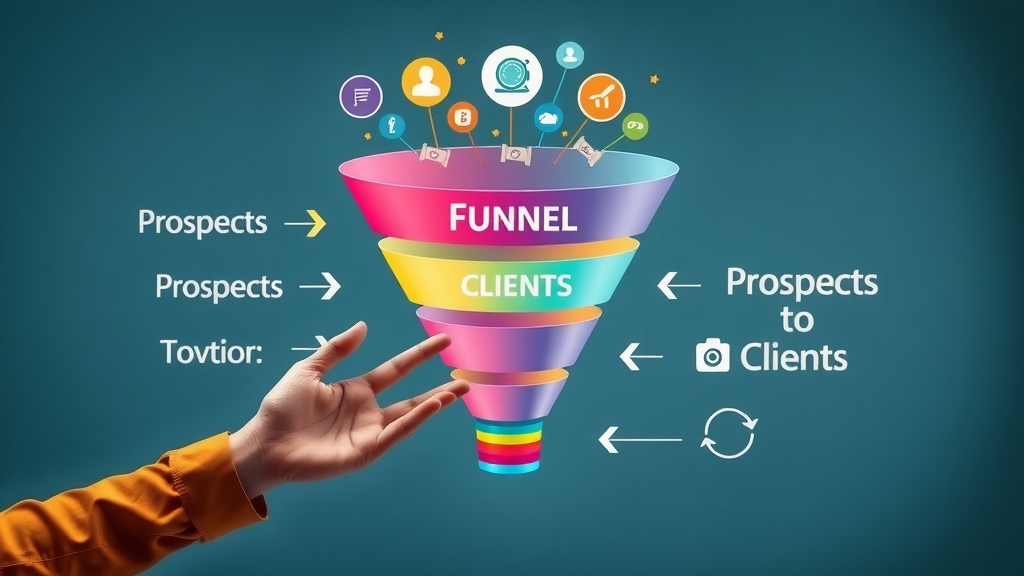
A robust lead generation strategy is more than collecting contact info—it’s about building a sales funnel that reliably produces revenue. When you align generation strategies with the journey your buyers actually take, you’ll notice pipeline health improves: higher win rates, fewer bottlenecks, and better forecasting.
High-performing companies use analytics to tighten the loop between marketing and sales, refining tactics in real time. This approach lets you tailor campaigns to your target audience, continually adjust your messaging, and identify the channels yielding the most qualified leads. Ultimately, your bottom line grows as the quality and consistency of leads increases.
Aligning Your Sales Team with Advanced Lead Generation for B2B Companies
Sales team alignment with modern lead generation is essential for success. When reps and marketers collaborate on defining ideal customer profiles and campaign messaging, you get actionable feedback from those on the front lines. This teamwork helps rapidly refine outbound and inbound tactics, boosting conversion rates.
Regular touchpoints, shared lead scoring models, and relevant content resources empower your sales team to nurture leads at every touchpoint. By creating strong Service Level Agreements (SLAs) between sales and marketing, companies can set clear expectations for lead response time and follow-up, supporting a closed-loop feedback system that multiplies results.
Identifying Your Target Audience for Problem-Free Lead Generation
Defining Your Ideal Customer Profile for Strategic Lead Gen
Every effective lead generation technique for B2B companies starts with a crystal-clear understanding of your ideal customer. This profile should go beyond job titles and industries—instead, it should capture the unique challenges, pain points, and goals of your perfect client. The more specific your criteria, the more qualified your leads will be.
By collecting real-world data from current clients and analyzing patterns in deal wins and losses, marketers can build actionable profiles that target audiences ready to buy. Aligning marketing messaging around these insights ensures your content, ads, and offers speak directly to the needs that drive action.
Mapping Buyer Personas to Maximize Qualified Leads
Buyer personas transform raw market research into relatable stories about your prospects. By giving a face to your target audience , you help every marketer and sales rep personalize their outreach—leading to better engagement and more qualified leads.
Successful companies revisit their buyer personas frequently, as pain points and priorities shift with market changes. Ongoing updates are crucial to ensure your lead gen campaigns and qualification processes stay relevant and effective.

Common Mistakes in Target Audience Identification
One of the biggest pitfalls in B2B lead generation is assuming any industry player is a potential lead. Without refining your audience, you risk wasting resources on prospects who will never convert. Another common error is relying on outdated or anecdotal data—meaning your generation strategies may not reflect current buyer behavior.
Avoid these missteps by collecting fresh feedback from your sales team, monitoring digital engagement, and leveraging CRM insights. The more accurately you identify your target audience, the more efficiently you’ll generate leads that fit your ideal customer profile.
Genius Lead Generation Techniques for B2B Companies: 82 Proven Strategies
1. Content Marketing: The Fuel for Lead Gen and Brand Authority
Harnessing Educational Blog Posts and Whitepapers
High-performing content marketing forms the backbone of modern lead generation strategies for B2B companies. Well-crafted blog posts and insightful whitepapers help position your brand as a thought leader while addressing the specific pain points of your ideal customer. These valuable resources don’t just attract website visitors—they encourage them to exchange their contact info for access, feeding your funnel with quality leads.
Make sure every piece of content is tailored for your target audience and optimized for relevant search engine queries. Promoting blog posts via email campaigns, social media, and partnerships expands their reach, driving steady inbound interest from qualified leads.

Utilizing Case Studies to Generate Qualified Leads
Case studies are indispensable in lead generation for B2B companies. Sharing real-world outcomes and testimonials builds trust and demonstrates your solution’s impact. When prospects see others with similar pain points who have benefitted from your products or services, their likelihood of converting skyrockets.
Pair case studies with strong calls-to-action, gated downloads, or offers to schedule a strategy call. This bridges content marketing with the next stage in your sales funnel, filling your pipeline with qualified leads ready for a conversation.
2. Social Media for B2B Lead Generation: Channel Breakdown
LinkedIn Campaigns for Targeted Generation Strategies
LinkedIn dominates as a source for B2B lead gen, allowing you to target by job function, industry, and company size. Sponsored content, InMail campaigns, and advanced filters let you connect with decision-makers who match your ideal customer profile.
Regular updates, employee advocacy, and engagement in industry conversations increase visibility. By nurturing relationships before making direct offers, you ensure your brand is top-of-mind when prospects are ready to buy.
Twitter Chats and LinkedIn Groups for Niche Engaged Leads
Participating in Twitter chats and LinkedIn groups provides direct access to engaged, topic-specific communities. Position your team as helpful industry voices by answering questions and sharing advice. These platforms offer excellent opportunities to generate leads organically through authentic relationships instead of generic pitches.
Monitor trending topics and jump into conversations where your product or service can be a natural fit, always offering value before asking for an email address or call.
Social Listening to Refine Lead Gen Efforts
Social listening tools allow your marketing team to monitor brand mentions, industry chatter, and competitor activity. By tracking relevant keywords and topics, you’ll uncover prospects actively seeking solutions, giving you timely openings for outreach.
Refine your messaging and adjust your generation strategies based on real-time insights to optimize engagement and attract more qualified leads.

3. High-Impact Landing Pages and Lead Magnets
Designing Landing Pages to Convert for Lead Gen
An optimized landing page is a workhorse for lead generation techniques for B2B companies. Design pages with a single focus: capture the prospect’s contact info in exchange for compelling value. Every element—from headline to call-to-action—should speak to your target audience’s biggest challenges.
Simple, visually clear landing pages with social proof, testimonial snippets, and minimal distractions drive conversions. Frequent A/B tests validate which layouts, copy, and offers maximize your conversion rate.
Lead Magnet Ideas that Drive B2B Lead Generation
Effective lead magnets provide instant, actionable solutions to a prospect’s main pain point. For B2B brands, this often means offering downloadable guides, industry checklists, calculators, or access to expert webinars. The key is to ensure the lead magnet is both valuable and relevant—making prospects willing to share their email address and opt into nurturing.
Match each lead magnet with the stage of the buyer journey and use targeted landing pages to boost conversion rates.
Optimizing Conversion Paths for Qualifying Leads
Your conversion path—from ad to landing page to thank-you email—should be seamless and intent-driven. Use progressive profiling forms to gather more information as leads engage with varied offers, refining their place in your funnel.
Test different calls-to-action and confirmation sequences to identify what turns a website visitor into a qualified lead.
4. Email Marketing Automation for Consistent Lead Generation
Nurturing Drip Sequences to Generate Leads
Email marketing automation is central to efficient, consistent B2B lead gen. Use automated drip campaigns to educate, nurture, and guide leads through your sales funnel. By scheduling timely touchpoints, you stay front-of-mind without overwhelming prospects.
Each sequence should deliver targeted content based on prospect interests and buyer stage, turning more cold contacts into sales-ready opportunities.
Personalization and Segmentation for Qualified Lead Generation
Segment your contact list based on industry, job role, engagement activity, and previous downloads. Personalize subject lines, content, and offers to increase open and click rates.
This approach not only improves engagement but dramatically increases the percentage of qualified leads moving further down the sales funnel.

5. Account-Based Marketing: Precision Lead Gen for B2B Companies
Tailored Campaigns for Ideal Customer Segments
Account-Based Marketing (ABM) flips the traditional funnel by zeroing in on high-value accounts that match your ideal customer profile. Sales and marketing align to craft highly personalized campaigns for targeted companies, leveraging account-specific content, direct mail, and coordinated outreach to make your brand irresistible to key stakeholders.
This approach yields higher conversion rates by only pursuing opportunities likely to close and grow, maximizing your ROI on lead gen activities.
6. Webinars and Virtual Events: Building Trust While Generating Leads
Maximizing Registrations and Post-Event Lead Nurturing
Hosting webinars and virtual events is a powerful way to engage your target audience while establishing authority. Promote your event across email, social media, and partner channels to drive registrations. Gather contact info at sign-up, ensuring you can nurture attendees with post-event resources and follow-up offers that align with their interests.
Record sessions and offer on-demand replays to generate leads long after the live date, extending the value of your efforts.

7. Retargeting Campaigns for Persistent Lead Generation
Multichannel Retargeting Tactics for B2B Success
Retargeting campaigns keep your brand top-of-mind for website visitors who didn’t convert on their first visit. Use display ads, LinkedIn retargeting, and email remarketing to nurture potential leads as they move across channels. This persistent presence increases the chances of conversion with each interaction.
Track behavior to adjust creative and messaging—if a visitor downloaded a whitepaper, serve them a case study next. Data-driven retargeting refines your campaign ROI over time.
8. Utilizing Free Trials and Demos as Conversion-Boosting Lead Gen Tools

Offering a free trial or live product demo hands control to the buyer, allowing them to experience your solution risk-free. This approach lowers barriers and provides your sales team with highly qualified, engaged leads ready for deeper conversations.
Ensure your trials are supported by onboarding content and one-on-one consults to maximize the rate at which prospects become paying clients.
9. Direct Outreach: Email, LinkedIn, and Cold Calling under Gen Strategy
Best Practices for Sales Team Outbound Efforts
Direct outreach—done right—remains a cornerstone of effective B2B lead gen. Empower your sales team with up-to-date scripts, contact lists segmented by buyer persona, and a deep understanding of target pain points. Personalize every touch, referencing relevant content or connections.
Use a mix of email, LinkedIn messages, and calls to reach decision-makers on their terms, and always follow up persistently but respectfully to advance leads through your funnel.
10. SEO and Search Engine Marketing: Getting Discovered by Qualified Leads
Optimizing Content for B2B Lead Generation Strategies
SEO is essential for lead generation techniques for B2B companies. Optimize every blog post, landing page, and case study with high-value target keywords that match your prospects’ search intent. Well-ranked content establishes trust before contact is made, drawing in self-qualified website visitors.
Leverage technical SEO improvements, including site speed and mobile-friendliness, for better search engine discoverability and higher conversion rates.
Leveraging Target Keywords for Generation Strategies
Use keyword research to guide your content strategy—create comprehensive guides, glossaries, and comparison pages around the most-searched phrases for your industry. Regularly update and re-optimize evergreen content to stay ahead in organic rankings and continue driving qualified leads month after month.

82 Actionable Lead Generation Techniques for B2B Companies (Complete List)
Leveraging Case Studies to Prove Your Lead Generation Techniques for B2B Companies Work
Showcasing Real B2B Success Stories
Proving the effectiveness of your lead generation techniques for B2B companies is simple—share real-life case studies. Detail the initial challenges, the strategic approach, and the measurable results. Prospects gain confidence seeing peers succeed with your solution, making the buying decision much easier.
Visuals like charts, testimonial quotes, and ROI statistics increase credibility. Include a call-to-action linking to a detailed download or consultation offer for maximum impact.

How Tracking Results Improves Lead Gen Over Time
Analyzing the performance of your generation strategy in regular intervals is vital. Track conversions, deal cycle length, and subsequent revenue traced back to each lead source. Share insights between your sales and marketing teams to identify the most lucrative channels and messaging themes.
Over time, this data-driven approach ensures you double down on what works, refine tactics, and pivot away from underperforming methods—continuously optimizing your lead generation strategies.
Sales Team Collaboration in Lead Generation Techniques for B2B Companies
Bridging Marketing and Sales for a Unified Lead Generation Strategy
For lead generation techniques for B2B companies to be effective, sales and marketing must operate as a unified force. Regular collaboration ensures consistent messaging, better qualification, and fewer leads lost in handoff.
Implement weekly stand-ups, shared dashboards, and joint planning sessions. Celebrate wins together and collaboratively troubleshoot friction points for smoother lead transitions from top to bottom of the funnel.
What Makes a Lead Qualified for B2B Sales Success?
Not all leads are created equal. A qualified lead is defined by explicit criteria such as decision-making authority, budget, need, and timeline. Your sales team should agree on these standards and revisit them regularly to adapt to changing market realities.
Clear qualification expedites the sales process and eliminates wasted effort, letting your reps prioritize prospects who are most likely to convert.
Empowering Teams with Lead Scoring, SLAs, and Closed-Loop Reporting
Establish lead scoring models tied to behaviors, demographics, and engagement. Service Level Agreements (SLAs) assign clear lead handoff rules. Finally, closed-loop reporting lets both teams learn which activities directly impact pipeline health and revenue.
These tools help ensure every lead receives the right follow-up at the right time, maximizing the return from your lead generation strategies.
Advanced Technology for Lead Generation Techniques for B2B Companies
AI, Automation, and CRM Integrations for Next-Gen Lead Gen
Advanced technology tools, from AI-powered chatbots to sophisticated CRM platforms, are transforming how B2B companies identify and nurture potential leads. Automation streamlines repetitive tasks like email follow-ups, freeing sales teams to focus on high-value activities. AI empowers predictive analytics, personalizing offers and prioritizing prospects most likely to convert.
Integrating your technology stack ensures all prospect touchpoints are tracked and every marketing action is followed up with timely, relevant sales outreach.
Choosing the Right Tech Stack for Lead Generation Strategies
Select tools that map to your business’s unique lead generation needs—be it advanced analytics, multi-channel automation, or deep CRM integration. Regularly evaluate emerging software to stay ahead of shifts in buyer behavior, keeping your organization responsive and resilient.
Avoid “shiny object syndrome” by focusing on technologies proven to boost conversion rates and sales team productivity.
Metrics That Matter: Measuring Success in Lead Generation Techniques for B2B Companies
Key KPIs for Lead Gen and B2B Pipeline Health
Track metrics such as conversion rate, cost per lead, lead quality score, and sales cycle length. These key performance indicators reveal which lead generation techniques deliver the most pipeline value—and which demand change.
Pivot your generation strategy quickly and based on data, not hunches, to drive ongoing improvement.
Continuous Optimization of Your Lead Generation Strategy
Optimize your campaigns by A/B testing landing pages, offers, content formats, and channels. Implement feedback loops from sales to marketing to continually adjust your approach.
Periodically audit your tech stack, refine your scoring model, and test new lead magnets—staying on the cutting edge of successful lead gen.
People Also Ask: Essential Questions about Lead Generation Techniques for B2B Companies
What are the best ways for B2B lead generation?
The best ways for B2B lead generation include leveraging content marketing through educational blog posts and case studies, using LinkedIn and targeted social media campaigns, employing high-conversion landing pages with relevant lead magnets, and utilizing personalized email automation. Combining these approaches ensures a continuous flow of qualified prospects into your sales funnel.
Which platform is best for B2B lead generation?
LinkedIn is widely regarded as the top platform for B2B lead generation due to its advanced targeting and professional user base. However, depending on your industry, combining LinkedIn with webinars, SEO, and niche online communities can help you reach a broader and more relevant target audience.
Which of the following is a common B2B lead generation strategy?
Common B2B lead generation strategies include content marketing, email campaigns, social selling on LinkedIn, hosting webinars, and running targeted ad/retargeting campaigns. Each strategy should be matched to your target audience and business objectives for maximum effectiveness.
What are the B2B lead generation services?
B2B lead generation services are agencies or platforms that help businesses identify and qualify potential leads. They often offer solutions such as data enrichment, outbound prospecting, appointment setting, content syndication, and digital advertising, all designed to create a pipeline of sales-ready opportunities for your team.
What You'll Discover in These 82 Lead Generation Techniques for B2B Companies
Step-by-step methods for generating qualified leads
Latest tech and tools for lead generation strategy
How top B2B brands structure their sales teams for optimal lead gen
Frequently Asked Questions—Lead Generation Techniques for B2B Companies
How can you maximize your B2B lead gen results on a small budget?
Focus on organic strategies like high-value content marketing, LinkedIn networking, and targeted email outreach to maximize results without significant cash investment. Leverage free tools, build partnerships, and continuously optimize based on performance data for sustained, affordable success.
What’s the difference between qualified lead and unqualified lead?
A qualified lead meets specific criteria defined by your sales and marketing teams—such as budget, authority, need, and buying timeline—making them more likely to convert. An unqualified lead lacks one or more of these factors and typically requires more nurturing or may not be suitable for your product or service.
How often should you update your lead generation strategy?
Review and update your lead generation strategy at least quarterly, or whenever new market trends, technology, or business objectives emerge. This ensures your approach remains aligned with evolving buyer needs, maximizing conversion rates and revenue potential.
Expert Quotes on Lead Generation Techniques for B2B Companies
"Personalized content and account-based marketing are the backbone of effective B2B lead generation." — Jane Smith, B2B Growth Strategist
"Testing and optimization are keys to sustainable B2B lead gen success." — David Lee, VP of Revenue
Key Insights for B2B Companies Seeking Better Lead Generation Techniques
Integrate content, social media, and automation for best results
Keep your sales and marketing teams aligned
Prioritize continuous measurement and optimization for your lead generation strategies
Ready to Transform Your Lead Generation Techniques for B2B Companies?
Pick two techniques and implement them today. Measure, refine, and watch your pipeline grow!
To further enhance your understanding of effective lead generation techniques for B2B companies, consider exploring the following resources:
“15 Best B2B Lead Generation Strategies 2025” : This article provides a comprehensive overview of proven strategies, including email marketing, social media engagement, webinars, and referral programs, offering actionable insights to boost your lead generation efforts. ( bizhubspot.com )
“10 Proven Strategies to Generate High-Quality B2B Leads” : This resource delves into effective tactics such as search engine optimization (SEO), social media marketing, and email campaigns, emphasizing the importance of personalization and segmentation to attract and convert quality leads. ( growleady.io )
By integrating these strategies into your marketing plan, you can develop a robust lead generation framework tailored to your business objectives.




Write A Comment