


Did you know that more than 70% of online purchases start with high intent content? Ignoring this powerful content strategy could mean missing out on valuable conversions while your competitors capture ready-to-buy visitors
An Eye-Opening Look at High Intent Content: Surprising Trends Driving Results
The landscape of digital marketing is packed with noise, but high intent content cuts through the clutter and connects directly with buyers who are primed for action. With search engines becoming more sophisticated and user intent growing sharper, savvy marketers are leveraging high intent content to target customers right at the point of decision. Industry research validates this: not only are over 70% of purchases initiated by high intent search results, but brands prioritizing high intent keywords routinely outperform those chasing after sheer search volume alone. By understanding and mapping search intent to precise pieces of content, you can align your marketing strategy with the behaviors of buyers—dramatically boosting your conversion rates and ROI.
Harnessing high intent content is about more than just targeting a search term; it's about delivering the exact answer, solution, or product a motivated user seeks at the very moment they need it. The rise of voice search, AI-powered algorithms, and granular analytics underscores this shift. Successful brands now measure success not by sheer volume keywords, but by the quality and intent of the visitors they attract. Ignoring this transformative trend could leave your marketing efforts stagnant, while competitors seize the bulk of buyer-ready prospects.

Startling Statistic: Why Over 70% of Purchases Begin with High Intent Content
High intent content isn’t just another buzzword in content marketing—it’s a proven powerhouse for driving real business revenue. Recent data shows that over 70% of all online purchases can be traced back to users who engaged with high intent content at some point in their buyer journey. This finding spotlights the critical value of matching content not just to keywords, but specifically to user intent. When a consumer actively searches for “best running shoes for flat feet” or “where to buy a DSLR camera near me,” their purchase intent is clear and immediate. As a result, content that aligns with such queries consistently sees higher engagement, more trust, and improved conversion rates—often outperforming generic brand awareness or top-of-funnel messaging.
"The secret to consistent conversions in digital marketing lies in deeply understanding search intent and leveraging high intent content." — Leading Content Strategist
As you refine your approach to high intent content, it's also worth considering how different content formats can influence buyer intent and engagement. For example, integrating video media marketing strategies can help capture attention and convey value more effectively, especially for users ready to take action.
What You'll Learn About High Intent Content
- Definition and pillars of high intent content
- How to analyze and target intent keywords
- Practical frameworks for mapping user intent
- Content marketing strategies for various intent types
- Real-world examples of high intent content
- Techniques to increase search volume and conversions
- Measuring the ROI of high intent efforts
What is High Intent Content? (People Also Ask)
Defining High Intent Content and Its Importance in Digital Marketing
High intent content refers to digital assets—such as landing pages, product descriptions, comparison guides, and FAQs—crafted specifically to attract users displaying strong signals of being ready to take action. In the context of digital marketing, these are not just casual browsers, but searchers whose behaviors, search terms, and queries clearly indicate that they’re considering, or are on the verge of, making a purchase or other key conversion. As such, optimizing for high intent captures these critical moments and drives higher conversion rates, making it a core strategy for any organization looking to maximize return on their marketing efforts. By centering your content strategy around intent keywords and mapping these to user journeys, you not only reach your audience when they’re most receptive—you also outpace competitors who rely solely on lower-funnel, generic approaches.
Answer: High intent content is content specifically designed to attract and convert users who demonstrate strong purchase or conversion signals. It focuses on meeting precise user intent, typically informed by intent keywords and thorough keyword research.
High intent content targets users with clear and immediate intent—think “buy,” “compare,” “review,” or “book now.” Unlike lower-intent content, which casts a wide net for brand awareness or general information gathering, high intent pages meet users at the tipping point: actively looking to fulfill a need, compare options, or complete a transaction. Strategic keyword research identifies these critical intent keywords, ensuring your content not only drives search traffic, but also lands in front of users who are likely to convert. Prioritizing this type of content in your marketing strategy allows for more effective allocation of resources and stronger measurable ROI.

Key Concepts: Understanding High Intent, Intent Keywords, and Search Intent
The Relationship Between High Intent and Intent Keywords
The secret to effective high intent content lies in targeting the right intent keywords. These keywords aren’t random—they’re proven signals that a user is further down the purchase funnel. Identifying keywords such as “best,” “buy,” “discount,” or “near me” implies immediate interest in taking an action. By focusing on these intent terms, marketers align their digital assets with the needs of high-value searchers. The return is compelling: better-qualified traffic, more conversions, and an optimized cost-per-acquisition. Advanced keyword research tools help detect these high-intent opportunities by revealing search volume, search queries, and conversion rate data, ensuring every piece of content is driven by actionable, buyer-focused insights.
Intent keywords aren’t solely for sales—they’re also invaluable for attracting and nurturing prospects during research and consideration phases, enhancing every stage of the buyer journey. Brands that consistently optimize for intent terms rather than chasing after generic high search volume see greater engagement, loyalty, and ultimately, more robust business results.
Exploring User Intent vs. Search Intent
User intent describes what a searcher truly wants to achieve, while search intent refers to the underlying motivation behind their queries. While they may sound similar, understanding the nuance between the two is crucial for creating high intent content that delivers. For example, a user searching for “best budget laptops 2024” seeks advice, comparison, and possibly the best deal—a clear signal of purchase consideration. On the other hand, a search for “what is a laptop” is purely informational, hinting at much lower conversion potential. Recognizing the difference ensures that your marketing team produces content mapped precisely to the user’s real goals rather than generic search terms. This critical distinction sets high-performing marketers apart, boosting both relevance and conversion rates.
Moreover, by dissecting search intent—navigational, informational, commercial, or transactional—brands can effectively match every piece of content to distinct points in the buyer journey. Aligning content with true user intent ensures recommendations, solutions, and CTAs feel natural and compelling, not forced.
The Role of Keyword Research in Targeting Higher Intent
Keyword research is the engine behind high intent content success. By systematically analyzing search engine data, trends, and SERP results, marketers uncover the exact intent keywords their audience uses when they’re ready to engage, buy, or inquire. Advanced tools—such as SEMrush, Ahrefs, or Google Keyword Planner—reveal queries with proven transactional power (“buy,” “compare,” “review now,” “where to order”). Beyond identifying search terms with higher intent, effective research helps filter out keywords that might drive volume but lack the conversion signals essential for real ROI. The process isn’t static; it demands continual refinement as search behaviors shift and user preferences evolve.
Brands with a rigorous approach to keyword research enjoy not just better rankings, but also greater reach to high-value leads precisely when it matters most. The results: improved conversion rates, lower churn, and stronger lifetime customer value—all stemming from an in-depth attention to search intent and the words users rely on most.

What are the Four Intent Types? (People Also Ask)
Understanding Informational, Navigational, Transactional, and Commercial Intent
The four primary types of search intent shape the core of every modern content marketing strategy:
- Informational Intent—Users seek answers, knowledge, or how-to guides (“how does solar power work?”).
- Navigational Intent—Users search for a specific website, brand, or landing page (“Apple support login”).
- Transactional Intent—Users are ready to make a purchase or take an action immediately (“buy running shoes online”).
- Commercial Investigation Intent—Users compare, review, or qualify options (“best protein powder for athletes”).
Each type requires a different strategic approach in your content marketing to ensure readers are guided toward the next step—whether gathering more information or making a purchase. Recognizing these distinctions is the cornerstone of building high intent content that meets prospects precisely where they are in their journey.
Answer: The four intent types are informational, navigational, transactional, and commercial. Each plays a vital role in content marketing and mapping search intent to user needs.
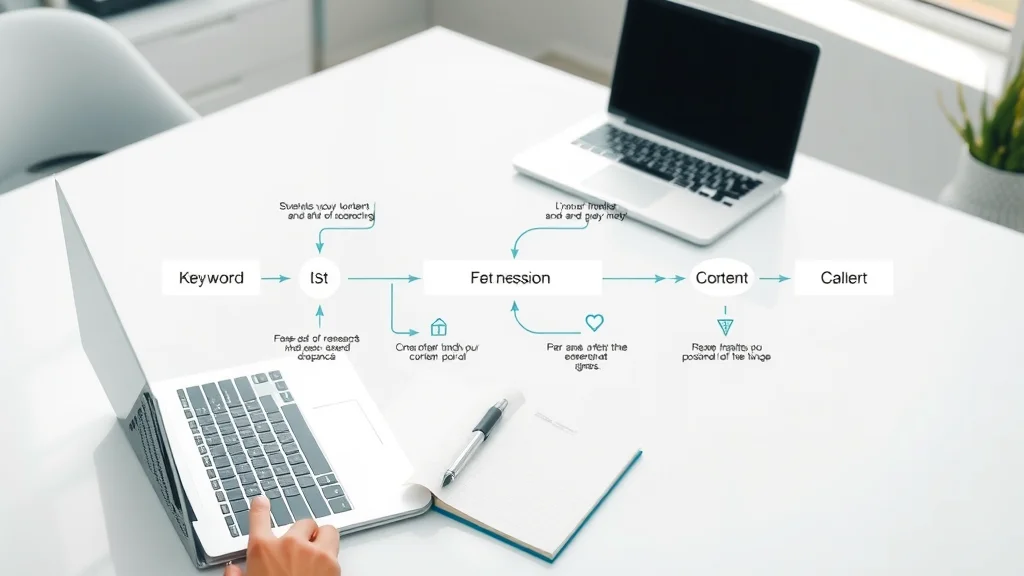
High Intent Content Framework: From User Intent to Conversion
- Identify and analyze intent keywords
- Map content to each stage of the buyer journey
- Optimize on-page elements for high intent
- Utilize intent keyword data to refine strategy
- Measure engagement and conversion with analytics
"Content tailored to higher intent consistently outperforms generic messaging." — Digital Marketing Analyst

The 70 20 10 Rule in Content Marketing (People Also Ask)
Applying the 70 20 10 Rule to High Intent Content Strategy
The principle? Dedicate 70% of your resources to proven content types and strategies that deliver reliable results, such as transactional product pages targeting high intent keywords
Sticking with a diversified content mix, rather than shifting focus entirely toward higher intent or high search volume keywords, prevents your content from becoming stagnant. Experimentation breeds insights, while the bulk of efforts continue fueling conversions where it matters most.
Answer: In content marketing, the 70 20 10 rule suggests dedicating 70% of content to what works well, 20% to new initiatives, and 10% to experimental content. This principle can be adapted to allocate resources for high intent content, emerging trends, and innovation.
Step-by-Step Guide: Creating High Intent Content That Converts
Conducting Advanced Keyword Research for Search Intent and Higher Intent
Next, examine the current search results for these terms: are top-ranking pages product listings, reviews, comparison charts, or landing pages? This gives critical insight into what search engines believe best satisfies user search intent
Don’t overlook lower search volume, highly specific terms—they often reveal the richest intent signals and, while attracting fewer visitors overall, deliver a much greater share of actual conversions.
Crafting Content That Aligns With Buyer Intent—From Idea to Execution
Once you have a clear map of intent-rich keywords, building high intent content involves more than plugging phrases into blog posts or landing pages. For each chosen intent keyword, develop content that satisfies the natural questions and needs of a buyer at that moment. If the keyword is strongly transactional (“buy running shoes now”), a product page with a prominent CTA, transparent pricing, and instant checkout is essential. For commercial investigation keywords (“best electric cars 2024”), provide detailed comparison guides, authentic reviews, and user testimonials to guide smart decisions. It’s also critical to ensure each page delivers clear, compelling messaging with minimal friction—streamlined forms, mobile-friendly UX, and trust signals like guarantees or ratings.
This intent-driven approach bridges the gap between search intent and purchase, making it easy for users to move from curiosity to commitment—all in line with the seamless customer experience search engines reward with higher visibility.
Optimizing Content for Search Volume Without Sacrificing Intent
Pursuing larger audiences through higher search volume keywords is tempting, but the best-performing high intent content never loses sight of what drives action: intent. While it’s wise to expand your reach, ensure that any content created for broader-volume phrases retains a laser focus on fulfilling the specific needs, concerns, and questions of potential buyers. Keyword stuffing or diluting messaging for the sake of scale diminishes trust and effectiveness—instead, subtly weave primary and secondary intent keywords (search terms plus long-tails) into natural, benefit-rich copy.
Regularly revisit your pages to declutter, add interactive elements, or reinforce CTAs. Pair your optimization with ongoing analysis of user behavior data (like bounce rates and click patterns) to ensure every piece remains both highly discoverable and conversion-focused. Remember: matching high search volume with high intent is where lasting content marketing wins are made.
Intent Keywords: The Key to Unlocking High Intent Search Volume
Analyzing High Intent and Intent Keyword Trends
The evolution of search engines and changing consumer behaviors have fueled a noticeable rise in the use of high intent and intent keywords. Recent trends reveal a shift from generic, low-converting search queries to highly qualified long-tail phrases that signal readiness to buy or act. For instance, phrases like “book same-day AC repair” or “compare insurance plans near me” reflect a move toward specificity and immediate action. By tracking and capitalizing on these emerging keywords, brands enjoy better alignment with user needs and beat competitors to the punch—often leading to a lower cost per acquisition and improved conversion rates.
Staying ahead requires constant monitoring of keyword trends, adjusting to seasonality, regional language, and fresh user concerns. Those adept at detecting these shifts gain a strategic edge, locking in the highest intent traffic at exactly the right moment.

Tools for Identifying User Intent Through Keyword Research
There are powerful tools designed to unlock user intent and filter high intent keywords from the chatter. Industry favorites such as SEMrush, Ahrefs, Google Keyword Planner, and Moz provide essential insights into search volume, competition, cost-per-click, and intent signals. For high-performance marketing, pair these platforms with analytics suites (like Google Analytics or Hotjar) to track user flows, bounce rates, and conversion points. Some, like AnswerThePublic or AlsoAsked, surface unseen intent-rich questions that reveal customers’ real motivations. Using Google’s “People Also Ask” and “Related Searches” further exposes new opportunities tailored for high intent content.
Don’t skip manual research: analyze successful competitors’ landing pages, comparison guides, and CTAs to reverse-engineer their intent mapping—and uncover untapped niches in your own strategy.
| Intent Type | Example Keywords | Estimated Conversion Rate |
|---|---|---|
| Informational | how to fix, what is, tips for | 1-3% |
| Navigational | brand name login, product page, [company] reviews | 3-7% |
| Commercial Investigation | compare, best [product], top rated | 8-15% |
| Transactional | buy now, order online, where to purchase | 18-35%+ |
What are the 5 C's of Content? (People Also Ask)
Exploring the 5 C's: Clarity, Conciseness, Compelling, Credible, Consistent—In High Intent Content
Video Summary: Best Practices for High Intent Content Success Ready to Elevate Your High Intent Content? Get Your Content Strategy Audit Today! Transform your digital marketing by focusing on what truly converts: high intent content




Write A Comment