Add Row
Add Element
cropper
update

[Company Name]

update
Add Element
  • Home
  • EYM Home
  • Categories
    • Website Optimization Tips
    • Smart SEO Insights
    • Content That Converts
    • Reputation Marketing Tips
    • Social Marketing Insights
    • Smart Lead Tactics
    • Video & Media Strategies
    • Success Tips
March 13.2026
1 Minute Read

Content Marketing as a Lead Generation Engine

Did you know? Companies that embrace a robust content marketing strategy generate three times as many leads as those relying solely on outbound marketing

Opening Insights: How a Content Marketing Strategy Drives Lead Generation

Content marketing strategy is a proven powerhouse for lead generation. By developing and distributing valuable, targeted, and consistent content, companies not only attract more visitors but also build lasting relationships that result in higher-quality leads. Unlike traditional marketing efforts, which often interrupt and alienate, an effective content marketing strategy seeks to educate, inform, and build trust. That means users are often more receptive and engaged, increasing the likelihood of conversion.

Leveraging a content marketing strategy means aligning your messaging and topics with both search intent and your business goals. This approach ensures that every blog post, social media update, and video content piece supports your overall marketing plan, which in turn accelerates your pipeline naturally. In a digital landscape crowded with information, a tailored content strategy stands out, giving you the competitive edge to nurture prospects through every step of the funnel—from initial brand awareness to final decision.

Dynamic business professionals collaborating on content marketing strategy in modern office
"Companies embracing a robust content marketing strategy generate 3x as many leads as those relying solely on outbound marketing."

What You'll Learn in This Guide on Content Marketing Strategy

  • The fundamental principles of a high-performing content marketing strategy
  • How to align your content strategy with business and marketing objectives
  • Step-by-step process to create a content marketing campaign for lead generation
  • Pro tips for optimizing content creation, content distribution, and measurement
  • Actionable answers to common content marketing questions
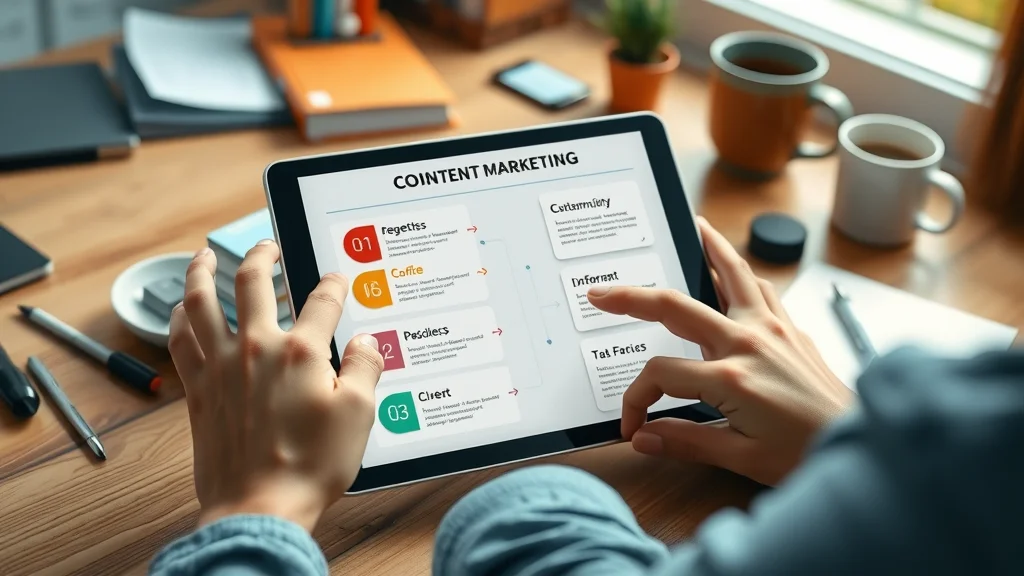
Infographic showcasing key pillars of content marketing strategy on tablet

Defining a Content Marketing Strategy for Lead Generation

What is a Content Marketing Strategy?

A content marketing strategy is a deliberate plan focused on creating, publishing, and distributing valuable content to attract and engage a target audience. Unlike random or sporadic content creation, a true strategy maps content types—such as blog posts, video content, social media updates—directly to your company’s business goals, such as building awareness, establishing authority, or driving qualified leads. Instead of just publishing for the sake of visibility, each piece of content is crafted to serve a specific stage in your marketing funnel. This calculated approach helps guide potential customers through their buying journey, nurturing trust and leading to higher conversion rates.

By thinking strategically, a business ensures every piece of content has a clear intent and measurable purpose. This alignment is key: a well-structured content marketing strategy transforms disconnected marketing tactics into a streamlined process that works in harmony with your overall marketing plan, magnifying results and ensuring long-term ROI.

How Content Marketing Integrates with Overall Marketing Strategy

A unified marketing strategy puts content front and center, so all efforts—SEO, paid ads, email campaigns, and social media—work seamlessly together to push audiences through the sales funnel. When you integrate content marketing with overarching business objectives and digital marketing, you ensure each campaign, blog post, and content plan supports shared goals such as brand awareness or lead generation. This cross-functional approach means your messaging is consistent and your brand voice is always on point.

Content marketing is also a critical driver of inbound marketing success, enabling you to attract, engage, and nurture leads naturally. By intertwining content strategy across all marketing channels, companies can amplify their reach, maximize touchpoints, and ultimately lower customer acquisition costs compared to relying on outbound, interruption-based approaches.

Confident marketing leader analyzing content campaign analytics for marketing strategy

The Role of a Content Marketing Strategy in Your Marketing Plan

A content marketing strategy isn’t just a document—it’s the bridge between your brand awareness goals and the actual generation of loyal, high-quality leads. By laying the groundwork for how, when, and where to publish content, you standardize your efforts and make measurement straightforward. Key elements include defining your unique value proposition, choosing core content types, and clarifying the conversion paths you want your audience to follow. All of this ensures your marketing plan remains focused, actionable, and scalable.

Integrating a solid content marketing strategy into your marketing plan ensures that no effort goes to waste and every dollar spent is traceable against clear, pre-defined KPIs. Over time, this strategic approach not only fuels predictable lead generation but also strengthens your ability to adapt in a changing marketplace.

"A strong content marketing strategy is the bridge between brand awareness and loyal, high-quality leads."

Key Elements of a Successful Content Marketing Strategy

Setting Clear Goals and KPIs in Your Content Marketing Strategy

Setting well-defined goals is the starting point for any successful content marketing strategy. Before you create content, identify what you hope to achieve (brand awareness, lead generation, customer retention, etc.) and define KPIs that track progress—like website traffic, qualified leads, social media engagement, or conversion rates. Setting clear objectives helps ensure every blog post, video content, or social campaign can be measured for effectiveness. It's this clarity that lets you correct course quickly and double-down on what works for your target audience.

By revisiting your goals regularly, you keep your content plan aligned with business goals and evolving market needs. Measurable KPIs transform guesswork into a systematic engine for growth, keeping your team accountable and on track.

Market Research and Audience Persona Development

Understanding your target audience is essential for any marketer looking to build impactful, relevant content. Begin with in-depth market research, collecting data on customer behaviors, pain points, and preferences. Developing detailed audience personas—fictional representations of your ideal customers—lets you craft personalized messages and select appropriate content types for each audience segment. The more granular your personas, the easier it becomes to create a content marketing strategy that resonates and converts.

Strong personas guide decisions around content formats, distribution channels, and campaign topics. With research-trusted personas in hand, each piece of content can address a specific need or answer a pressing question, from the first touchpoint to deal closure.

Diverse marketing team brainstorming audience personas for content marketing strategy

Developing a Comprehensive Content Plan

A well-structured content plan is the roadmap for executing your strategy. This plan details the topics, content types, and publishing schedule that support each stage of the buyer’s journey. It provides an overview of how blog posts, case studies, videos, and other pieces will address the needs of your target audience and match your business objectives. A comprehensive plan helps you prioritize high-impact opportunities, balance evergreen versus trending content, and ensure messaging consistency across digital marketing channels.

Your content plan should tie every piece of content back to identified goals and personas, while also outlining the key themes, calls-to-action, and promotional tactics to maximize visibility and engagement.

Building Your Content Calendar for Consistency

Consistency is critical to establishing authority in any industry. A content calendar makes this possible, mapping out what to publish, when, and where—across multiple channels like websites, social media, and email. The best calendars accommodate both recurring content (like weekly blog posts) and room for timely updates, ensuring you’re ready to capitalize on trending topics and seasonal opportunities.

An effective calendar balances frequency with quality, allowing teams to plan content creation, distribution, and measurement well in advance. With this structure in place, maintaining momentum becomes second nature and your audience learns to expect and trust your insight.

As you refine your approach, it’s helpful to explore actionable techniques that directly convert readers into buyers. For a deeper dive into practical content marketing tactics that drive conversions, check out these proven content marketing tricks that turn engagement into measurable results.

Types of Content that Fuel Effective Content Marketing Strategies

Understanding Content Formats: Blog Posts, Video Content, and More

The most effective content marketing strategy features a diverse array of formats to reach audiences in different ways. Blog posts are cornerstone for SEO and organic discoverability, providing in-depth insights and answers to search intent queries. Video content has rapidly become essential, capturing attention and simplifying complex ideas through visual storytelling. Social media content serves both to extend reach and prompt immediate engagement, while infographics, podcasts, and downloadable guides deepen authority and drive shareability.

Each content format serves a specific role—whether to inform, entertain, nurture, or convert—and must be chosen based on the audience persona and business objectives. Maintaining a healthy mix keeps your content strategy resilient and adaptive as digital marketing trends evolve.

Collage of digital content formats for content marketing strategy including blog posts, video, social media

Leveraging Social Media and Email Marketing within a Content Marketing Strategy

Social media channels are amplifiers for any content marketing strategy. Platforms like LinkedIn, Facebook, Twitter, and Instagram expand your content’s reach and foster direct engagement with potential leads. The two-way nature of social media not only enables real-time feedback but also allows marketers to adjust campaigns on the fly, maximizing impact for trending content types and topics.

Email marketing plays a crucial role in nurturing and converting leads, allowing for highly personalized campaigns based on user behaviors and funnel positions. By weaving relevant content into regular email newsletters and drip campaigns, you continue the conversation beyond a single blog post or social update. Together, these digital marketing channels compound your results, making each content piece work harder for your business goals.

Content Formats: Visual, Written, and Interactive Approaches

A dynamic content marketing strategy doesn’t stick to one size fits all: it employs a versatile lineup of visual, written, and interactive content formats. Written formats like blog posts and thought leadership articles provide depth and SEO value. Visual assets—such as infographics, slide decks, and video content—deliver information quickly and with high retention. Meanwhile, interactive elements like quizzes, calculators, or polls boost time on site and offer unique lead generation hooks.

Blending these formats helps capture diverse attention spans and learning preferences. When each format is integrated into your broader marketing plan (and shared via targeted channels), your message lands with greater impact and sticks with users longer.

Comparison of Content Formats: Effectiveness, Reach, and Lead Generation Impact
Content Format Effectiveness Reach Lead Generation Impact
Blog Posts High for SEO/building authority Broad via search engines Strong, especially for inbound
Video Content Very High for engagement Wide via social & YouTube Excellent, especially with calls-to-action
Social Media Moderate to High for shareability Extensive, viral potential Great for top-of-funnel leads
Email Newsletters High for nurturing Targeted segments Strong for conversion
Interactive Content High for engagement Grows via sharing Excellent for qualified leads

Creating a Content Marketing Strategy: Step-by-Step Process

Conducting a Content Audit for Existing Assets

Every content marketer must begin with a structured content audit. This involves evaluating all your current assets—blog posts, guides, videos, and social media content—to identify what’s working, what needs refreshing, and what’s missing. Audits reveal your content gaps, duplication, performance outliers, and technical SEO issues. Often overlooked, this strategic process can quickly spotlight opportunities for leveraging existing assets and deciding which content types to invest in next.

Regular audits help keep your content plan relevant and tailored for changing audience needs and search engine algorithms. They also set the foundation for more advanced efforts, such as re-optimizing underperforming posts or repurposing strong content into other high-converting formats.

Content Creation Best Practices within a Content Marketing Strategy

Content creation is more than writing—it's a fine balance of originality, search optimization, storytelling, and visual appeal. Best practices include thorough topic research, incorporating targeted keywords for search engines, and crafting compelling introductions that hook readers. Each piece of content should address a specific persona’s needs, solve a real pain point, and include a clear call-to-action leading to a desired next step in your marketing plan.

To maximize engagement, diversify your content types and regularly review performance data to inform future topics. Team collaboration between writers, designers, and editors ensures every asset is polished and on-brand.

Focused content creator editing blog post on desktop for content marketing strategy

Content Distribution and Promotion for Maximum Lead Generation

Creating stellar content is only half the battle. Strategic distribution and promotion are key to a high-impact content marketing strategy. Use a mix of owned channels (your website, newsletter), earned (guest blogging, influencer partnerships), and paid (sponsored social posts) to maximize visibility. Social media and email marketing are especially strong channels for getting your message in front of qualified leads while enabling retargeting and continued engagement.

Remember, it’s not just about reach—it’s about putting the right content type in front of the right audience at the right moment. A smart distribution plan multiplies your lead generation potential and ensures a better ROI for your content creation investment.

Integrating Your Content Strategy with SEO and Blog Post Planning

SEO and content marketing are inseparable. Integrating your content strategy with SEO ensures every blog post is discoverable by search engines and matches search intent. Research keyword opportunities around your audience’s top questions, use internal linking for deeper engagement, and regularly update evergreen content to meet evolving user needs. Additionally, build your blog post pipeline around major persona pain points and trending topics identified in your content audit.

Regular optimization of old blog posts allows you to climb the search rankings without always having to create content from scratch. These efforts fuel long-term traffic and higher conversion rates, anchoring your overall digital marketing goals.

"To create a content marketing engine, consistency in execution outpaces flashes of brilliance."

Building a Content Team to Support Your Content Marketing Strategy

Essential Roles: Writers, Editors, Strategists, and Designers

Building a high-performing content team is critical for executing a scalable content marketing strategy. Core roles typically include:

  • Writers who craft compelling, research-based copy matched to audience needs.
  • Editors who ensure clarity, structure, and brand voice consistency.
  • Strategists who map content to business goals and target the right personas.
  • Designers who create engaging visual assets—infographics, videos, and interactive content.

Multi-disciplinary content team reviewing digital content drafts for marketing strategy

Effective Collaboration Tools for Content Marketing Strategy Success

Effective teamwork relies on the right digital tools. Platforms like Trello, Asana, Monday.com, or Google Workspace streamline content planning, asset organization, and workflow management. Consider cloud-based editors (e.g., Grammarly, Canva) for seamless feedback cycles and on-brand designs. Using collaboration tools helps in tracking content calendar tasks, approvals, and performance metrics in real time.

When deciding between in-house versus outsourcing content creation, consider resource availability and the need for specialized skills. Outsourcing can expand capacity and inject new expertise, while in-house teams maintain tighter control over voice and quality. Regularly measure team productivity using output metrics and feedback loops to keep your content marketing strategy on course.

  • In-house vs. outsourcing content creation
  • Key platforms for content collaboration
  • Measuring team productivity within your content strategy

Integrating Social Media and Email Marketing into Your Content Marketing Strategy

Social Media: Channels that Amplify Content Reach

Social platforms like LinkedIn, Facebook, Instagram, and Twitter are essential distribution channels for any modern content marketing strategy. These networks amplify your reach, provide detailed analytics, and help build communities around your brand. Using scheduling tools, marketers can ensure a steady flow of timely, relevant posts that align with your content calendar and content plan.

Every channel presents unique opportunities—LinkedIn for B2B lead generation, Instagram for visual storytelling, and Twitter for real-time engagement. Tailor your content type and messaging to fit each platform’s audience, maximizing impact.

Business professional scheduling social media content for marketing strategy

Email Marketing: Tailoring Content to Lead Nurture

Email marketing remains a top channel for nurturing leads and driving conversions with tailored content. Segment your email list by buyer journey stage, interests, or engagement history to serve the most relevant content type at the right moment. Personalized newsletters, exclusive guides, and automated drip campaigns enable you to maximize every touchpoint—providing value, nurturing trust, and gently guiding prospects toward conversion.

Advanced segmentation and A/B testing further optimize your open rates, click-through rates, and overall campaign effectiveness. Regular analysis ensures your email efforts evolve alongside your audience’s preferences and behaviors.

Retargeting Audiences via Content Marketing Efforts

Retargeting allows you to reconnect with website or social media visitors who haven’t yet converted. Leveraging retargeting ads and personalized content recommendations, you remind prospects of key value points tailored to their initial engagement. This persistent visibility keeps your brand top of mind and increases the likelihood of return visits and eventual conversions.

Integrated retargeting strategies, especially via social media and email marketing, can reclaim lost opportunities and drive your content marketing ROI even higher.

Building a Content Calendar as Part of Your Content Marketing Strategy

Tools for Scheduling and Managing a Content Calendar

Managing a content calendar takes more than spreadsheets. Platforms like CoSchedule, Trello, and Google Calendar help teams map out months of content, assign tasks, and visualize campaign flow. These tools provide reminders, automate posting, and enable real-time collaboration, making it easier to align content creation, publication, and promotion to business goals.

Using dedicated software, teams minimize missed deadlines and quickly re-prioritize when trends or campaigns shift. The result is a more responsive and highly organized content marketing strategy that’s always ready to move.

Aligning Your Content Calendar with Business Goals

Every content calendar should reinforce your company’s business objectives, whether that’s launching a product, growing your email list, or increasing signups. By plotting key dates (product launches, industry events, seasonal promotions), you ensure content supports broader organizational efforts. Aligning content with these goals also helps teams coordinate messaging and cross-channel promotion for maximum impact.

Make regular reviews a habit—quarterly or monthly checks ensure your schedule adapts as business needs change, opportunities arise, and new insights come from your analytics.

Professional reviewing content calendar on monitor for content marketing strategy

Adapting the Content Calendar for Timely Trends and Opportunities

Flexibility is vital for capitalizing on timely events, industry shifts, and viral moments. Build “evergreen” slots into your content calendar so you can insert high-impact blog posts or multimedia content on the fly. Monitor social media and search trends regularly, adjusting your plan to capitalize on emerging opportunities and maximize shareability.

Adaptability keeps your content marketing strategy resilient. By reacting quickly, you keep messaging relevant and audience engagement high—both of which support long-term lead generation and ongoing growth.

Sample Content Calendar Structure for a Dynamic Content Marketing Strategy
Week Content Type Platform Primary Goal
1 Blog Post: How-to Guide Website, LinkedIn SEO Traffic, Brand Awareness
2 Video Tutorial YouTube, Facebook Engagement, Shares
3 eBook Announcement Email, Landing Page Lead Generation, List Building
4 Infographic Instagram, Twitter Viral Reach, Social Traffic

Content Audit and Performance Measurement in Your Content Marketing Strategy

How to Conduct a Thorough Content Audit

Conducting a thorough content audit involves inventorying all asset types, benchmarking performance, and identifying content gaps. Assess each blog post, video content, and downloadable in terms of SEO scores, engagement rates, and lead generation outcomes. Use analytics tools like Google Analytics, SEMrush, or Ahrefs to capture organic traffic, bounce rates, backlinks, and conversion metrics. The aim is to determine what’s delivering ROI and where you need to double down, update, or retire outdated material.

A full audit provides a realistic picture of your current content strategy’s strengths and weaknesses, serving as the foundation for future planning and optimization.

Analytics and KPIs for a Successful Content Marketing Strategy

Measuring your content marketing strategy’s effectiveness is critical. Core metrics include website sessions, new versus returning visitors, average time on page, social media shares, email open rates, and most importantly, leads generated or conversions. Track how each content format and topic moves audiences along the funnel—from top-of-funnel awareness down to bottom-of-funnel purchase or signup.

Regularly review these KPIs and adjust your strategy based on performance data. Integrate your analytics dashboard with your content calendar for real-time insights and agile content planning.

Marketing analyst reviewing performance metrics for content marketing strategy

Using Data Insights to Refine Your Content Strategy

Use performance data to pinpoint content types with the highest conversion rates and engagement. These insights help identify opportunities for optimization, guide resource allocation, and evolve your blog post and video content pipeline. Data-driven decision-making allows you to shift creative energy where it matters most—doubling down on proven winners and refining underperformers.

Continually refining your approach ensures your content marketing strategy stays sharp, relevant, and effective in driving business goals.

CRO (Conversion Rate Optimization) and Content Marketing Integration

Conversion rate optimization (CRO) is the process of enhancing your website and landing pages to maximize the percentage of visitors who complete a desired action. This integrates seamlessly with your content marketing strategy by optimizing CTAs, reducing friction in the buyer’s journey, and A/B testing content elements. Align your most effective blog posts and landing pages with clear, actionable next steps and streamlined forms for better conversion rates.

Pair CRO with regular content audits for a holistic approach—ensuring your content attracts leads and your site converts them.

Scaling and Adapting Your Content Marketing Strategy Over Time

Identifying Opportunities from Content Performance Data

Leveraging performance data is essential for recognizing areas to scale. Analyze which content types regularly deliver high engagement or the most qualified leads, and expand efforts there. Use heatmaps, keyword reports, and user flow tracking to spot topics with viral potential or gaps worth filling. As you discover what consistently works, ramp up production, invest in distribution, and test new variations for continued growth.

Staying data-driven ensures your content marketing strategy continually evolves and doesn’t get stuck on a plateau.

Marketer mapping new growth opportunities for content marketing strategy on glass board

Optimizing and Repurposing Existing Content for Better Results

Maximize the utility of your previous work by updating, expanding, or converting it to new formats. Repurpose popular blog posts into videos, infographics, or email series. Refresh statistics, add new insights, and improve visuals to boost SEO and user value. This approach not only amplifies ROI but also saves time and resources versus starting from scratch.

Getting the most from your content assets is a hallmark of an agile content marketing strategy and a powerful growth accelerator.

Innovations in Content Formats and Distribution

Stay ahead of industry trends by routinely experimenting with new content types like podcasts, webinars, interactive case studies, or AR experiences. Diversifying content distribution—through new platforms, influencer partnerships, or programmatic ads—provides more channels for capturing leads and growing your audience.

  • Tips for maintaining momentum with your content strategy
  • Common pitfalls to avoid as you scale your marketing strategy
  • Emerging trends in content marketing

Real-World Examples: Successful Content Marketing Strategies in Action

B2B vs. B2C Content Marketing Strategy Case Studies

B2B companies often focus on in-depth blog posts, authoritative whitepapers, and LinkedIn thought leadership, targeting longer buying cycles and specialized personas. By contrast, B2C brands prioritize visually engaging formats—short videos, influencer campaigns, Instagram stories—for broader appeal and rapid decision-making. For example, a SaaS company might use a series of SEO-optimized guides to nurture enterprise leads, while a DTC fashion retailer launches influencer TikTok videos to drive immediate product sales.

Both approaches are rooted in a robust content marketing strategy that tailors content and distribution to specific audience needs and business models.

Comparison between B2B and B2C content marketing strategy environments

Learning from Top Brands with High-Impact Content

Top brands like HubSpot, Red Bull, and Sephora stand out by consistently producing relevant, high-value, and on-brand content. They leverage mixed media (video content, eBooks, podcasts) and focus on storytelling that emotionally engages audiences while delivering clear value. These brands obsess over measurement, optimize relentlessly, and aren't afraid to innovate—setting benchmarks for all content marketers to follow.

Adapting insights from these leaders and innovating for your market ensures your content marketing strategy stays effective and future-proof.

"Adapt, iterate, and innovate: These are the hallmarks of a resilient content marketing strategy."

People Also Ask: Deep Dive Questions on Content Marketing Strategy

What are the 5 C's of content marketing?

Answer: Discover what Clarity, Consistency, Creativity, Connectivity, and Conversion mean in a content marketing strategy.

The 5 C’s—Clarity, Consistency, Creativity, Connectivity, and Conversion—capture the essence of a strong content marketing strategy. Clarity ensures your message is easily understood by your target audience. Consistency builds trust and recognizes your brand voice across channels. Creativity fuels memorable and shareable content, while Connectivity links your messaging to the audience’s needs through effective personalization. Conversion keeps the focus on driving measurable business goals through compelling calls-to-action.

What is the 70 20 10 rule in content?

Answer: Explore how the 70 20 10 rule guides your content marketing strategy for balancing tried-and-true content, new ideas, and experiments.

The 70 20 10 rule guides marketers to devote 70% of content to proven types or topics that reliably generate engagement, 20% to new content ideas that push your brand forward, and 10% to experimental or risk-taking formats. This balanced content marketing strategy ensures steady results while creating space for innovation and breakthrough growth.

What are the 7 steps of content marketing?

Answer: Outline the step-by-step process—Goal Setting, Audience Research, Content Planning, Creation, Distribution, Measurement, and Optimization in content marketing strategy.

The seven essential steps in a content marketing strategy are: (1) Goal Setting, (2) Audience Research, (3) Content Planning, (4) Content Creation, (5) Distribution, (6) Measurement, and (7) Optimization. Following these ensures your marketing efforts are structured, measurable, and adaptable.

What is the 7 11 4 rule of marketing?

Answer: Explain how the 7 11 4 rule supports touchpoints and engagement in a content marketing strategy.

The 7 11 4 rule posits that prospects require 7 hours of interaction, through 11 touchpoints, across 4 different channels before making a purchase decision. This model guides a content marketing strategy to provide ample, varied, and frequent content across platforms, deepening trust and driving conversions.

Frequently Asked Questions on Content Marketing Strategy

  • How do I measure ROI from my content marketing strategy?
    Track conversion rates, lead quality, website analytics, and attribution models to assess overall return on investment.
  • What content types generate the most leads?
    In-depth blog posts, video tutorials, and downloadable assets (eBooks, whitepapers) tend to drive the most leads in both B2B and B2C contexts.
  • How often should I revisit my content plan?
    Review your content plan quarterly or after major campaign shifts to remain agile and aligned with market trends.
  • What is the difference between a content plan and a content strategy?
    A content strategy is your overall blueprint and goals; a content plan details the specific topics, formats, and schedule.
  • Is a content calendar necessary for effective marketing?
    Yes—content calendars ensure consistency, avoid missed opportunities, and foster better team collaboration.

Key Takeaways: Maximize Lead Generation with a Robust Content Marketing Strategy

  • A solid content marketing strategy is foundational for predictable, scalable lead generation.
  • Continuous evaluation, content audit, and adaptation set the best strategies apart.
  • Align all aspects of your marketing strategy to reinforce your content’s effectiveness.

Empower Your Business: Start Building an Effective Content Marketing Strategy Today

Ready to turn your content into a lead generation engine? Start by auditing your current content, mapping key goals, and experimenting with new content formats that align with your business vision

If you’re eager to take your lead generation efforts even further, consider exploring a comprehensive, step-by-step approach to content marketing that’s tailored for sustainable growth. Our in-depth resource on content marketing for leads offers advanced strategies, real-world examples, and actionable frameworks to help you build a high-performing system from the ground up. Whether you’re refining your current process or starting fresh, this guide will empower you with the insights and tools needed to outpace the competition. Dive deeper and unlock the next level of content-driven lead generation for your business.


Content That Converts

0 Comments

Write A Comment

*
*
Please complete the captcha to submit your comment.
Related Posts All Posts
02.21.2026

Content Strategy for Local Businesses That Captures Attention

Did you know that 72% of consumers prefer to connect with local businesses through tailored content? This single fact unlocks a vast realm of opportunity: by mastering a modern content strategy for local businesses, you’ll build trust, attract your ideal local audience, and capture community attention faster than ever. Whether you run a neighborhood café or a boutique gym, effective content can transform your business, setting you apart from national competitors while fostering lasting relationships. Read on to discover practical methods, inspiring examples, and actionable steps that will power up your marketing efforts—and drive exceptional, measurable results for your small business.Why Content Strategy for Local Businesses Drives Exceptional ResultsImplementing a solid content strategy for local businesses is the surest path to standing out in your community and beyond. Local business owners face unique challenges—limited marketing budgets, stiff competition, and the ever-evolving digital landscape. What sets high-performing businesses apart is their ability to build trust and connect authentically with their customer base through thoughtful, locally-relevant content marketing. When your blogs, guides, and social updates speak directly to local concerns and interests, you naturally spark engagement and drive real business growth.For example, a local restaurant sharing behind-the-scenes stories about new menu items, or a plumber creating how-to blog posts about winter pipe care, does more than fill space online—they establish themselves as trusted experts within the local community. As a result, these businesses see improved search engine rankings, higher conversion rates, and a loyal, raving customer base who not only buy but also advocate for the brand. A robust content strategy leverages local events, search trends, and community partnerships to cultivate meaningful presence both online and offline.Did you know that 72% of consumers prefer to connect with local businesses through tailored content? Discover how a robust content strategy for local businesses delivers unrivaled visibility, customer loyalty, and growth.Empowering Local Business Growth with an Effective Content StrategyA powerful content strategy for local businesses isn’t about blanketing the web with noise—it’s about intentional, strategic communication that fosters community and signals expertise. Fundamental to this is understanding the purpose behind every piece of content: are you offering a solution to a common problem? Telling the story of your neighborhood roots? Or connecting your product to a local tradition? The best-performing local content is always anchored in the specific needs, interests, and search intent of your unique audience.Many successful small business owners use content marketing strategies that adapt proven principles but tailor them for their community niche. This could include spotlighting local events, collaborating with other businesses, or documenting customer stories. Practical approaches, supported by case studies, prove that consistent, locally relevant content turns casual browsers into committed, recurring customers. Ultimately, the goal is to cultivate loyalty and turn your business into a community cornerstone—online and offline.Explore foundational principles of content strategy for local businesses, practical approaches used by thriving local businesses, and impactful case studies showcasing content marketing success.Comprehensive Guide: Building a Content Strategy for Local BusinessesClarifying Goals: Aligning Business Objectives with Local ContentEvery successful content strategy for local businesses starts with clear, actionable goals aligned with overall objectives. Before creating content, consider what you want to achieve: Is it greater walk-in foot traffic? Increased online bookings? More glowing reviews? Defining goals enables you to focus your marketing efforts on activities that matter most for your local business, measuring impact along the way.This process begins with a thoughtful assessment—business owners should identify short-term and long-term targets and align them with measurable KPIs, such as the number of new visitors from local search, engagement rates on event announcements, or growth in email subscribers from blog posts. By mapping content topics to each stage of the local buyer’s journey, your content marketing strategy becomes intentional, trackable, and constantly optimized for your community. The most effective plans leave room for feedback, flexibility, and continuous improvement based on direct customer input.Understanding Your Local Audience: Personas, Preferences, and Search IntentIdentifying and understanding your local audience is critical for driving relevant engagement. Start by defining audience personas—detailed representations of your ideal local customer that include demographics, pain points, purchasing triggers, and preferred communication channels. This allows you to create content tailored to specific segments, ensuring your efforts resonate with real people in your community rather than a generic online crowd.Dig into local search data and customer feedback to unearth what your audience is actively seeking. Which blog posts generated the most traffic? What social media topics get the highest shares or comments? Analyze reviews, direct messages, and Google Analytics traffic sources to spot trends and preferences unique to your neighborhood. By combining these insights, you can craft hyperlocal blog topics or social updates that anticipate and answer your potential customer’s needs at every stage.Researching Local Search Trends for Strategic Content PlanningTo thrive at local search , small business owners must monitor trending topics and keywords within their region. Tools like Google Trends, Google Keyword Planner, and local business Facebook groups make it easier than ever to discover what’s hot in your area. By researching these local trends, you’ll gain invaluable insights into what potential customers are searching for right now—be it seasonal offers, community initiatives, or solutions to location-specific problems.This research should not be a one-time task but a continual process as trends and audience preferences shift throughout the year. Regularly updating your blog posts, guides, and event pages allows you to stay current and relevant, boosting your rankings in search results and positioning your local business as a go-to resource. The result is a content strategy grounded in real-time data, enabling your marketing efforts to capture more local attention exactly when it matters most.Evaluating Competition: What Makes a Local Content Strategy Stand OutStudying your competitors is essential for identifying content gaps, new opportunities, and setting benchmarks for your content marketing strategy. Begin by examining local businesses in your niche who consistently appear in top search results —analyze their blog posts, social media content, and customer reviews. What topics do they focus on? How are they engaging their local audience ? Noticing what makes their content successful helps you differentiate your approach.But don’t simply mimic—look for ways to bring your unique personality, values, and local expertise to the fore. You might spotlight lesser-known community events, share behind-the-scenes glimpses, or invite customers to co-create content with you. By focusing on authenticity, hyperlocal relevance, and storytelling, your content marketing will set your business apart, building stronger, more lasting connections with your target audience.Key Elements of a Winning Content Marketing Strategy for Local BusinessesContent Marketing Essentials for Small BusinessesFor small businesses , content marketing isn’t about quantity; it’s about quality and strategic focus. Essential elements include an editorial calendar for consistency, a mix of evergreen and trending topics for sustained interest, and carefully crafted calls to action aimed at your specific community. Each blog post , video, or event guide should serve a distinct purpose—whether to educate, engage, or convert local customers.Storytelling, transparency, and community focus are key. For instance, share real customer testimonials, showcase participation in local events, or feature staff stories that humanize your brand. By weaving these tactics into your content marketing strategy , you set your local business apart and create enduring loyalty within your neighborhood.Integrating Social Media into Your Content Strategy for Local BusinessesSocial media is an indispensable part of a modern content strategy for local businesses. Platforms like Facebook, Instagram, and Nextdoor are perfectly suited for real-time updates, event promotions, and interactive polls that keep your business top-of-mind locally. To achieve the best outcomes, synchronize your blog posts, event announcements, and customer spotlights across your social media channels, ensuring messaging is consistent but tailored to each platform’s unique audience.Small businesses see real results by leveraging proximity-based targeting, collaborating with neighborhood influencers, or hosting live streams from in-person local events. Social platforms also serve as excellent listening tools—monitor conversations, respond quickly to questions, and gather valuable feedback that can inform your ongoing content marketing efforts.Leveraging Local Events, Partnerships, and Community InitiativesParticipating in and promoting local events , joint partnerships, or community drives positions your business as an active, invested pillar of the neighborhood. This could mean live-blogging from a seasonal street fair, sharing video recaps of your involvement at a charity run, or highlighting collaborations with nearby businesses. These local-focused initiatives not only increase your visibility but also provide high-value content that resonates deeply with your audience.Such strategies translate into authentic engagement: local business owners can capture behind-the-scenes moments, interview event organizers, or offer event-exclusive promotions. By championing community-driven causes and activities, your content becomes more than marketing—it becomes a resource that builds trust, encourages participation, and strengthens connections between your business and the local community.Building Authority with Quality Local Content That ResonatesThe cornerstone of effective local content is authority—when your audience trusts you, they’re more likely to engage, convert, and refer friends. Build this authority first by producing in-depth, well-researched content that addresses real problems in your community, showcases local expertise, and provides actionable solutions. For example, a gym offering a video guide to staying fit during winter months, or a café posting a behind-the-scenes series on sustainable sourcing.Quality is also signaled through design, storytelling, and consistency. Avoid fluff and thin content—instead, focus on multimedia assets, thoughtful blog posts, and real customer experiences. As your local business continuously delivers valuable and relevant content, you’ll become the go-to authority in your niche, accelerating both online and in-store growth.Content Formats That Capture Local AttentionLists: Top local business blogs, engaging business videos, interactive polls, event calendars, and success stories.Best Local Content Types: Blogs, Videos, Guides, and MoreChoosing the right format amplifies the reach and impact of your content marketing strategy. Local businesses often benefit from a mix of blogs that answer specific community questions, videos that showcase events or success stories, and visual guides detailing local attractions or helpful “how-to” topics. Interactive formats like polls, quizzes, and contests are especially powerful for encouraging shares and generating buzz within the local audience.Don’t overlook the value of user-generated content—customer testimonials, reviews, or shared photos create social proof and authenticity. Toolkits, seasonal checklists, and event calendars also work exceptionally well, providing ongoing value and reasons for your customers to return to your digital platforms again and again.Optimizing Content for Local Search, Maps, and DirectoriesLocal SEO is non-negotiable for small businesses who want to stand out in search results and maps. This starts by integrating local keywords naturally into your blog posts, guides, and landing pages—terms that match real local intent, such as “best pizza in [Neighborhood]” or “family-friendly [City] events.” Make sure your business’s name, address, and phone number (NAP) are consistent across all directories; this detail can dramatically impact search engine rankings and customer trust.Enhance your profiles on critical platforms like Google Business Profile, Yelp, and local directories with frequently updated, high-quality local content—share event news, new menu additions, or community awards. The aim is to dominate local search by being everywhere your potential customer might look, outshining competitors with real, timely updates about your small business.Promoting Local Content through Social Media and Influencer CollaborationsSocial media and influencer partnerships are two of the fastest routes to local virality. Promote your best blog posts, guides, or event highlights with creative visuals and stories on platforms your audience already frequents. Collaborate with micro-influencers or respected community voices who can co-create content, host giveaways, or do “takeovers” that introduce your business to whole new circles of potential customers.Track what types of posts, hashtags, and influencer collaborations drive the most engagement and website visits. Regularly sharing high-value, locally relevant updates—such as offers tied to upcoming local events or “day in the life” stories—amplifies your presence and increases both digital and in-person engagement for your business.Step-by-Step Content Planning for Small BusinessesEditorial Calendars: Scheduling, Consistency, and SeasonalityConsistency is the secret weapon of impactful content marketing for small businesses. An editorial calendar helps you visualize, schedule, and track all your content across multiple platforms. By planning around seasonal events, community milestones, and major local happenings, you ensure that your business is always part of the local conversation—never missing key moments that matter to your audience.Color-code your content types, assign responsibilities, and plan posts weeks in advance. This reduces last-minute scrambling and guarantees a steady stream of content tailored to both the needs of your target audience and the rhythms of your community. An editorial calendar also enables easy repurposing and performance tracking throughout the year.Content Repurposing: Maximizing Marketing Efforts Across ChannelsSmart small business marketing teams know how to squeeze every ounce of value from the content they create. Repurposing isn’t just about posting the same blog post everywhere—it’s about adapting your message for different audiences and platforms. One how-to guide can become a video walkthrough, a series of social media tips, and a printable handout for in-store customers.This approach not only extends the reach of your content marketing efforts but also maintains a consistent brand voice and message across all touchpoints. The result is more engagement from potential customers and increased efficiency for you and your staff.Tracking and Measuring Content Performance for Local BusinessesNo content strategy for local businesses is complete without regular performance tracking. Monitor key metrics like website visits, click-through rates, social shares, and in-store conversions. Tools such as Google Analytics, Meta Insights, or website heatmaps reveal what’s working and what needs refinement.Use these data insights to optimize future campaigns—identify which blog posts drive the most traffic, which event pages result in the highest attendance, and which social media posts prompt meaningful conversations. Adjust your content calendar accordingly to double down on winning tactics, ensuring every piece of content contributes to your larger marketing strategy.Sample Local Content Strategy CalendarDateContent TitleFormatChannelTarget AudienceGoalKPIJan 5Winter Home Maintenance TipsBlog PostWebsite, FacebookHomeownersIncrease Local Search VisibilityOrganic TrafficFeb 14Valentine’s Day Special EventEvent VideoInstagram, YouTubeCouples, FamiliesDrive Event SignupsRegistrationsMar 10Local Partner Spotlight: Farmer’s Co-opSocial StoryInstagram, FacebookEco-Conscious ShoppersBuild Trust & AuthoritySocial EngagementReal-World Examples of Content Strategy for Local BusinessesCafé rebranding through storytelling: A local café strengthened its community ties by sharing the history behind its name and inviting customers to submit their own favorite memories, boosting engagement and afternoon sales.Gym boosting community engagement: A fitness center launched a series of local event workouts and live streams, increasing memberships and cementing its reputation as a hub for neighborhood wellness.Plumber winning visibility with how-to content: A plumbing business published regular video guides tackling common household issues, climbing local search rankings and earning repeat business from grateful homeowners.“Content marketing gives small businesses a powerful voice in a crowded market.” – Industry ExpertHarnessing Social Media as Part of Your Content Strategy for Local BusinessesChoosing the Right Platforms for Your Local AudienceEvery community has its own favorite digital spaces. Do your research to pinpoint where your local audience spends the most time—Facebook groups for family-focused suburbs, Instagram for trendy urban shoppers, or Nextdoor for neighborhood news and recommendations. Concentrate your efforts on one or two platforms to avoid spreading yourself too thin, ensuring you have the resources to respond quickly and nurture meaningful relationships.Track the platforms that drive the most potential customers to your storefront or website. Combine organic posts with occasional paid promotions to amplify high-performing content and grow your reach within your immediate area.Effective Social Media Campaigns to Highlight Local Events and PromotionsLeverage social media campaigns to spotlight upcoming local events , flash sales, or community initiatives. Run countdown posts, share live behind-the-scenes videos, and ask open-ended questions to drive real-time engagement. Collaborate with local schools, charities, or event organizers to cross-promote and amplify your reach.Encorgage user-generated content by running weekly customer spotlights or community photo contests that harness the power of word-of-mouth and multiply your online presence. When your promotions tie directly to local happenings, your audience is much more likely to spread the word and participate.Collaborating with Local Influencers to Boost Content ReachPartnering with local influencers brings credibility and a hyper-engaged following to your content marketing strategy. Seek out individuals whose audience overlaps with your target customer base , whether that’s fitness instructors, city bloggers, or youth sports coaches. Invite them for store tours, product reviews, or to co-host virtual events that maximize your visibility and trigger trust within the local network.Monitor collaborations to ensure they drive traffic, sales, or social followers—don’t be afraid to refine your approach based on the data. Over time, building authentic long-term partnerships will turn these influencers into true advocates for your local business.Optimizing Your Content Strategy for Local Search SuccessKeyword Research for Local Businesses: Tools and TacticsEffective local search optimization hinges on keyword research. Use tools like Google My Business Insights, Moz Local, and SEMrush to find high-intent local keywords that your potential customers are searching for. Include location modifiers (like “best brunch in [Neighborhood]”) and long-tail questions that reflect genuine local interests.Map these keywords to every layer of your online content, from landing pages to blog posts, ensuring your business appears prominently in organic search results and business directories. Review your competitors’ keyword use to spot missed opportunities or gaps to fill in your market niche.Enhancing Google Business Profiles with Local ContentYour Google Business Profile is a dominant force in local SEO—treat it as an extension of your website. Fill out every field with accurate, consistent NAP info, and regularly update posts with event promotions, new services, or positive customer testimonials. Upload high-quality images and videos that reflect real on-the-ground activity, using relevant local keywords in captions and descriptions.Use the Q&A and reviews features proactively—answer potential questions, thank reviewers, and address concerns promptly. A robust, frequently updated profile improves your chance of appearing in map packs and top local search results, driving more visits to your physical or virtual doorstep.Strategies for Collecting and Showcasing Local ReviewsLocal customer reviews are both a content source and a trust-builder. Encourage reviews through follow-up emails, post-visit cards, or QR code signs at checkout. Feature the best testimonials on your website, social feeds, and in print materials, always with permission and clear attribution.Respond to every review, positive or negative, to show your commitment to service and your willingness to continually improve. The volume and quality of recent reviews directly impact your local search rankings and conversion rates, making this a vital pillar of your ongoing content strategy.Winning at Local Search: From Content Creation to ConversionDominating local search is about the full journey: using accurate, keyword-rich content creation to attract searchers, delivering exceptional on-site experiences, and seamlessly converting browsers to buyers. Consistency, speed, and relevance are your allies—keep your business hours updated, share accurate product info, and make it easy for people to get in touch or book online.Track conversion paths—what content leads to in-store visits, calls, or bookings? Refine your approach to double down on what works, growing your visibility and ultimately your customer base.How to Maintain an Agile Content Marketing Strategy for Local BusinessesAdjusting Your Content Strategy Based on Analytics and FeedbackData-driven agility sets top-performing content marketing teams apart. Regularly review your analytics to spot what’s working: which social media posts or blog topics generate the most engagement? What local keywords drive traffic? Pair these insights with direct customer feedback and frontline staff perspectives to continually optimize both your strategy and your messaging.Be open to pivoting—if a new local event is trending, be among the first to share your take. If certain posts underperform, repackage them or test other formats. Small businesses that consistently tweak and improve their content based on real-world performance will always outperform competitors stuck in a static routine.Responding to Local Trends, Seasonal Changes, and Customer NeedsA truly agile content strategy for local businesses is built on anticipation and responsiveness. Plan content around annual events, local traditions, or community emergencies to position your business as timely and relevant. Use staff and customer input to keep your messaging fresh and authentic—share stories about snow-day openings, back-to-school drives, or trending neighborhood hotspots.Technology can help: set Google Alerts for your city, follow community groups, and use scheduling tools to quickly adapt content as needed. The closer your marketing aligns with what’s happening today in your local area, the more likely your business is to capture and sustain attention.Scaling Content Marketing Efforts as Your Local Business GrowsGrowth brings new content challenges—more channels, higher expectations, and a broader audience. Start by systematizing: develop clear brand guidelines, template your blog posts or event announcements, and invest in tools for workflow automation or collaborative editing. Consider training staff to act as local content ambassadors, capturing photos at events or blogging about their experiences.Reinvest some of your marketing gains into hiring local freelancers, designers, or social media managers as needed. As your business expands, your content marketing should evolve to generate even more value, solidifying your place as a community staple.Addressing Key Questions About Content Strategy for Local BusinessesWhat are the 3 C's of content marketing?The 3 C’s: Content Creation, Content Curation, and Content Consumption. Each C is critical in developing a sustainable content marketing strategy to engage your local audience.What are the 4 steps of content strategy?Step 1: Auditing existing local content; Step 2: Defining your target audience and goals; Step 3: Creating a content plan; Step 4: Measuring quantitative results and refining strategy.What type of content works best for local marketing?Hyperlocal blogs, community event highlights, local testimonials, and interactive guides are most effective at attracting and converting local customers.What are the 4 P's of content marketing?People (target audience), Purpose (why you create content), Process (how you execute strategy), and Performance (measuring results).Expert Answers to Frequently Asked Questions about Content Strategy for Local BusinessesHow often should local businesses post content? – At a minimum, aim for weekly updates across core channels. Quality and consistency matter more than volume.What’s the ROI of hyperlocal content marketing? – Local businesses often see double or triple the engagement, higher search rankings, and more repeat customers with effective content strategies.Can a small business compete with large brands locally? – Absolutely. With authentic storytelling, strong community ties, and a well-executed content plan, small businesses routinely outperform bigger competitors in neighborhood markets.Summary of Essential Takeaways for an Impactful Content Strategy for Local BusinessesEvery successful content strategy for local businesses relies on tailored content, strategic social media use, local search optimization, and continuous performance measurement.“Great local content doesn’t just tell a story—it creates a community.” – Local Marketing GuruReady to Ignite Your Content Strategy for Local Businesses?Schedule a Free Strategy Session Today! https://hub.prospectrocket.com/AR/eymcalendarTo enhance your understanding of effective content strategies for local businesses, consider exploring the following resources:“Local Business Content Marketing Tactics for Small Companies” ( lantern-digital.com )This article offers practical tactics such as optimizing your website for local search, creating content around local events, and leveraging user-generated content to engage your community.“5 Content Marketing Ideas for Local Businesses” ( phlashconsulting.com )This piece provides actionable ideas like sharing local stories and case studies, offering behind-the-scenes tours, and highlighting local expertise to build trust and connect with your audience.If you’re serious about developing a robust content strategy that resonates with your local audience, these resources will provide valuable insights and practical approaches to achieve your goals.

02.20.2026

Step-by-Step Guide to Creating a Content Calendar That Works

Did you know? Companies that implement a content calendar are 65% more likely to achieve their marketing goals. If you’ve ever scrambled for last-minute content ideas or struggled to keep your team aligned, you’re not alone. Learning how to create a content calendar is the secret sauce for consistent, stress-free, and effective marketing—regardless of whether you’re a startup, agency, or growing brand. This comprehensive guide will show you step by step how to plan, execute, and optimize content that engages your audience and strengthens your brand’s presence. Unlocking Consistency: Why Knowing How to Create a Content Calendar Is a Game-Changer for Marketers In an age where social media , blog posts, and marketing campaigns are the primary touchpoints for your target audience , creating content that resonates requires more than just good ideas—it needs precise planning. That’s where understanding how to create a content calendar revolutionizes your strategy. By mapping out your content plan in advance, you transform sporadic efforts into an organized system, empowering each team member to work efficiently toward shared marketing goals . With a content calendar , you gain a bird’s eye view of all upcoming media posts , promotions, and campaigns. This visibility means you can schedule content around key dates, launches, and seasonal opportunities without missing a beat. More importantly, a well-maintained content and media calendar helps reduce stress—no more last-minute scrambles, duplicated topics, or confusion over who’s responsible for each task. Instead, you’ll see improved coordination between your writers, designers, and social media manager , leading to a consistent and engaging brand experience across all media platforms . "Companies that implement a content calendar are 65% more likely to achieve their marketing goals." What You’ll Gain from This Guide to How to Create a Content Calendar Master how to create a content calendar from scratch Discover the best content calendar templates and tools Build a results-driven social media calendar Learn how to align your marketing strategy with your content calendar Defining the Purpose: The Essential Role of a Content Calendar in Your Marketing Strategy A content calendar acts as your campaign compass, guiding every piece of content from ideation to publication. It sits at the heart of your marketing strategy , ensuring that every media post , blog, and campaign aligns perfectly with business goals. By providing a structured approach to content creation and distribution, a content calendar makes your strategy proactive instead of reactive. Every team member benefits: your writers stay on top of deadlines, your designers know when assets are due, and your content and media manager can easily track the status of each campaign. Overall, a well-planned content calendar organizes your workflow, so critical details like target platforms, content types, and assigned contributors are never overlooked. It’s the single source of truth that connects your content marketing vision to real, measurable execution. How to Create a Content Calendar for Editorial, Social Media, and Marketing Campaigns Learning how to create a content calendar means more than tracking blog posts. It extends to planning every element— social media content calendar , editorial calendar , and media content calendar —that comprises your brand narrative. For example, you might use one calendar to schedule blog posts and another to map out social media content for launches, promotions, or thought leadership efforts. Linking your content plan across these calendars ensures campaigns are rolled out seamlessly on each media platform . This integrated approach helps you track every social media post , editorial content , and advertising asset in one place. You’ll be able to coordinate resources between your writers, designers, and social media manager , ensuring there’s never overlap, duplication, or missed opportunities. Ultimately, a holistic content calendar brings every corner of your content creation machine into alignment. Understanding the Basics: What Is a Content Calendar? At its core, a content calendar is a visual planning tool—usually a spreadsheet or collaborative digital board—that allows you to organize upcoming content tasks by date, channel, and status. With a content calendar template , you gain macro and micro perspectives: see overall marketing themes for the quarter and the daily details of each post. This calendar template doesn’t just show publishing dates. It tracks content ideas , assigns responsible team members , outlines deadlines, previews content formats (video, blog, infographic, or social media post ), and documents which platforms each piece is destined for. That means you always know what’s ahead—no more scrambling or guessing what comes next in your content plan . Types of Content Calendars: Social Media Calendar, Media Calendar, and Editorial Calendar Every marketing team’s needs are unique, so you’ll find several types of content calendars to choose from: Social Media Calendars: These track all upcoming social media posts for platforms like Facebook, Instagram, Twitter, and LinkedIn, so nothing slips through the cracks. Media Calendars: Used for broader campaigns—product launches, partnerships, or multi-channel campaigns—mapping every planned media post for maximum reach. Editorial Calendars: Ideal for managing blog content, newsletters, and feature articles, helping you plan topics, assign roles, and ensure consistent publishing. "A well-structured content calendar brings clarity and purpose to content creation and marketing strategy." Key Components: What Does a Content Calendar Contain? A robust content calendar relies on specific columns, fields, and notes to help keep your content machine humming. Every calendar template should contain: Content ideas and topics Publishing dates Media platform or social media platform assignments Responsible team members Content format and status updates Step 1: Establish Your Goals for Creating a Content Calendar Before you even open a spreadsheet or download a calendar template , ask yourself what you want your content plan to achieve. Are you aiming to increase engagement on certain social media platforms ? Drive traffic to your website? Build your brand’s authority with regular thought leadership pieces? Clarifying these objectives ensures your calendar is built with purpose—each post mapped to a strategic target, rather than filling space for the sake of consistency. The process starts with an audit of your existing content and understanding gaps in your content marketing . From there, you’ll create measurable goals linked to your sales funnel, broader marketing strategy , and the unique preferences of your target audience . This step is crucial for long-term growth—and for showing your team members exactly how each blog, video, or social media post fits into the bigger picture. Align Your Content Calendar with Your Overall Marketing Strategy For a content calendar to truly work, it must mirror the themes, campaigns, and milestones in your marketing strategy . Start by importing launch dates, seasonal campaigns, and other core initiatives into your media calendar . Next, ensure every member of your content and media team understands how their assignments reinforce these priorities. Bridging your editorial calendar and social media content calendar with sales and promotions allows for unified messaging and maximized impact. Regular check-ins between your editorial, media, and design teams foster a collaborative environment where everyone’s actions are geared towards the same strategic outcomes. Step 2: Brainstorm and Organize Content Ideas for Your Content Calendar Creativity is at the heart of an effective content plan . Begin by gathering content ideas from various sources: trending topics, timely events, and evergreen themes that appeal to your target audience . Use analytics from previous media posts and social media content to uncover what resonates. The next step? Organization. Map your top picks to relevant campaigns in your media calendar and schedule them for periods of high engagement. This system avoids content droughts or overlaps and ensures each media post serves a specific business goal. Identify trending topics and evergreen content Utilize keyword research for your content plan Map topics to media content calendar and social media calendar Step 3: Choose the Right Content Calendar Template and Tools Choosing your content calendar template can be as simple as customizing a Google Sheet or as advanced as using dedicated platforms like Trello or Asana. The best tools help you keep everything organized and enable seamless collaboration between your team members —even as your content planning scales up. Whichever you choose, make sure it aligns with your workflow needs, team size, and the complexity of your media content calendar . Popular Content Calendar Templates: Google Sheets, Excel, and More Different templates serve different teams. Here’s how the most popular options stack up: Template Type Best For Key Features Google Sheets Collaboration Real-time editing, sharing Excel Customization Advanced formulas, layout Trello Visual Management Boards, cards, automation Asana Task Scheduling Projects, timelines Step 4: How to Use Excel to Create a Content Calendar Excel is a favorite among teams that want full customization for their content calendar template . Because you can add complex formulas, color-coded tags, and filters, you can tailor the spreadsheet to your exact needs—be it editorial planning, social media calendar , or campaign tracking. Create columns for publish dates, headlines, status, assigned team members , and media channels. With Excel, you can automate alerts for deadlines or missing info—a lifesaver for busy marketing teams working across multiple media platforms . Building Your Calendar Template in Excel Start your Excel content calendar with a blank template. Add columns for date, topic, responsible team member , status, content type, platform, and notes. Apply color-coding for each media platform or campaign, which offers at-a-glance clarity for your entire content creation team. Filter features help you track overdue posts or upcoming deadlines. Regularly update your Excel calendar to keep your content plan on track and your media calendar fluid and responsive to campaign needs. Excel Tips for Managing Your Content Plan and Social Media Content Calendar Use Excel’s conditional formatting to highlight missed deadlines, automate status changes as content moves from draft to publication, and drop-down lists to standardize choices for platforms and content formats. This saves time while reducing human error. Also, leverage Excel’s built-in charts to visualize content planning bottlenecks across your social media content calendar —helping you spot and fix workflow snags before they impact your results. Step 5: How to Use Google Sheets to Create a Content Calendar Google Sheets is ideal for real-time collaboration, allowing multiple team members to access and edit your content calendar simultaneously. Links, comments, and even approval workflows are simple to implement, so your content planning process remains transparent and accessible. It’s perfect for distributed teams juggling editorial, social media content calendar , and broader media content calendar tasks from anywhere. Setting Up a Collaborative Content Calendar in Google Sheets Begin by customizing columns for date, content idea, status, assigned writer or designer, channel, and progress notes. Color code each row based on platform or campaign to make scheduling easier and more visually appealing. Use Sheets’ sharing features to enable team-wide input, resolve bottlenecks, and catch overlooked deadlines—keeping content flowing on time and target. Integrating Content Planning and Media Content in Google Sheets For more advanced workflows, integrate your content plan directly with analytics tools and editorial assets using formulas, conditional formatting, or add-ons like Zapier. Link your social media calendar tabs to main campaigns in your media content calendar , so every project update carries over across your entire ecosystem. This linking approach saves time, adds transparency, and empowers every team member to contribute actively to content creation . Step 6: Assigning Tasks and Setting Deadlines in Your Content Calendar Assigning specific roles and deadlines to each media post , editorial article , or social media post is the foundation of an accountable content workflow. In your content calendar template , dedicate columns for “Assigned To” (team member responsible), “Due Date,” and “Status.” This removes ambiguity and ensures nothing falls through the cracks. With this approach, both leadership and team members can track progress at a glance and adjust workloads where needed. Automate notifications or deadlines using your chosen tool to keep everyone on pace for publishing and campaign launches. Coordination Among Team Members for Content Creation and Scheduling Seamless collaboration is crucial. Use your content calendar as a centralized hub, enabling writers, designers, and marketers to exchange feedback, finalize assets, and push each piece to the finish line. Weekly check-ins or “content huddles” tied directly to your editorial calendar and media calendar maintain creative momentum and eliminate scheduling clashes. Ultimately, it empowers every team member to own their part of the process while keeping projects aligned and on time. Step 7: Publishing and Distribution: Aligning Your Social Media Content Calendar and Media Calendar With your media content calendar filled and responsibilities assigned, focus next on publishing and distribution. That means building a workflow that ties your social media content calendar and editorial calendar together, ensuring each media post is published at the optimal time, on the right social media platform , and with the correct messaging. Plan regular status checks to evaluate timing, spot conflicts, and coordinate launches across platforms. This orchestrated approach maximizes reach, maintains brand consistency, and avoids overwhelming your target audience with overlapping messages. Scheduling Social Media Content Across Multiple Platforms Use your social media content calendar to plot out every media post —from Instagram Stories to LinkedIn articles and Twitter threads. Add links, captions, and hashtags directly into your calendar to make approvals seamless. Automation tools like Buffer, Hootsuite, or native scheduling options within Facebook and Twitter can cue these posts for precise times, maximizing engagement without manual effort. Utilizing Social Media Calendar Tools for Automation Modern media managers rely on tools that integrate their social media content calendar with publishing platforms. With automation, you reduce manual tasks and ensure content goes live even if you’re away from your desk. Choose tools that allow for approval flows, revisions, and analytics tracking so you can spot high-performing campaigns and reallocate resources where it matters most. Step 8: Tracking Performance and Optimizing Your Content Calendar Building your content calendar is only the first step—continuous analysis ensures you remain competitive. Start with tracking core KPIs (Key Performance Indicators) within your media content calendar and social media calendar such as engagement, click-through rates, and conversion metrics. These insights help determine if your content plan is working or if adjustments are needed to boost performance. Regular review empowers your team members to adapt quickly, drop underperforming campaigns, highlight high-impact ideas, and repurpose evergreen content—keeping your schedule full and results impressive. Monitoring KPIs in Your Media Content Calendar and Social Media Calendar Embed KPI columns to monitor engagement, reach, shares, and conversions for each media post . Overlaying analytics with your content calendar reveals trends: What topics perform best? Which media platforms deliver the highest ROI? This ongoing feedback loop means your content strategy never grows stale—it’s always being optimized for your goals. Adjusting Content Planning Based on Insights and Data Acting on performance data is where the real magic happens. Adjust your media content calendar and social media content calendar based on insights—shifting resources, updating content themes, or doubling down on formats your audience loves. This proactive optimization keeps engagement high and ensures your campaigns always align with shifting market trends and audience preferences. Content Calendar Best Practices: Pro Tips for Maximum Engagement Review your content plan weekly Include visual content in your media calendar Repurpose content across social media platforms Utilize feedback for continuous improvement The Power of Templates: Downloadable Content Calendar Template Options Ready to jump-start your process? Save hours with free and paid downloadable templates that structure your content calendar for instant use—no building required. Just plug in your content ideas, campaigns, and deadlines, and you’re set. Accessing Free Calendar Templates for Google Sheets and Excel Editorial content calendar Social media content calendar Marketing campaign calendar templates People Also Ask: How do I create a content calendar? To create a content calendar, start by auditing your current content and marketing strategy, then set clear objectives. Use a calendar template to organize content ideas by date, delegate tasks, select appropriate platforms, and track progress for continuous optimization. People Also Ask: How to use Excel to create a content calendar? Using Excel to create a content calendar involves choosing a customizable template, entering your content plan organized by days or weeks, adding responsible parties, deadlines, and publishing channels for each item. People Also Ask: What does a content calendar contain? A content calendar contains content topics, publish dates, assigned team members, platform details, campaign notes, and progress tracking for all planned media and social media content. People Also Ask: How to use Google Sheets to create a content calendar? Set up a Google Sheets content calendar by creating columns for date, topic, platform, creator, status, and notes. Leverage sharing and collaborative editing features to keep the whole team aligned. Expert Answers: Frequently Asked Questions About How to Create a Content Calendar What tools work best for small businesses creating a content calendar? Tools like Trello, Google Sheets, and Asana are great for small teams needing flexibility and collaboration. Google Sheets is especially user-friendly and free. How often should you update a content calendar? Review and update your content calendar at least weekly. This keeps your content plan agile and responsive to new opportunities and shifting priorities. How do you measure the success of your content calendar? Track KPIs such as engagement rates, traffic, conversions, and completion of scheduled posts. Analyze which topics, formats, and platforms deliver your best results. Top Takeaways: How to Create a Content Calendar That Delivers Results Start every project with a solid template Customize your calendar for your platforms and goals Consistently track, review, and refine your content calendar Level Up Your Marketing—Schedule a Free Strategy Session and Master How to Create a Content Calendar Ready to amplify your results? Schedule a Free Strategy Session Today! Creating an effective content calendar is essential for organizing your marketing efforts and ensuring consistent engagement with your audience. To assist you in this process, consider exploring the following resources: “How to Create a Content Calendar for your Marketing Strategy” : This guide provides a comprehensive overview of building a content calendar, including steps like repurposing prior content and setting publishing frequencies. ( adobe.com ) “Complete Guide To Content Calendar Success” : This resource outlines a three-step approach to developing a content calendar, emphasizing the importance of laying a solid foundation, building the calendar, and selecting appropriate content channels and topics. ( sproutsocial.com ) By leveraging these guides, you can create a structured content calendar that aligns with your marketing goals and resonates with your target audience.

02.13.2026

How to Build a Content Marketing Strategy for Service-Based Businesses

Did you know that 70% of professional services firms now cite content marketing as their number one source of leads? In an industry where trust and expertise are paramount, your ability to craft a content marketing strategy for service providers could mean the difference between aggressive growth and being lost in the noise. This comprehensive guide unpacks each essential step—backed by industry insights, actionable checklists, and lessons from thought leaders—to help you develop, launch, and optimize a plan that attracts clients and drives real business impact. Unlocking Success with a Content Marketing Strategy for Service Providers: Surprising Industry Insights Discover why 70% of professional services firms identify content marketing as their number one lead source Uncover overlooked tactics that separate leading service providers from the crowd Understand the power of a comprehensive content marketing strategy for service providers to transform your marketing plan The competitive landscape for service providers has shifted dramatically in recent years. As digital platforms become the first stop for prospective clients, having a robust content marketing strategy for service providers is no longer optional—it's mission-critical. Leading firms invest heavily in high-quality blog posts, authoritative case studies, and data-driven marketing plans that keep them top-of-mind with potential customers. What sets top-performing professional services apart? They leverage overlooked but high-impact tactics such as personalized educational content, interactive media, and consistent cross-channel messaging. By taking a comprehensive approach to content marketing strategy , service providers can nurture trust, demonstrate expertise, and ultimately drive new business more effectively than traditional advertising. Laying the Foundation: Why Content Marketing Strategy for Service Providers Matters Defining Content Marketing and Its Role in Professional Services Content marketing is all about delivering valuable, relevant information to attract, educate, and retain potential customers. Unlike product-based companies, a professional service firm relies on intellectual capital—the experience and knowledge of its team. Through a tailored content strategy , you can position your firm as a trusted advisor, sharing insights that help your audience solve real business challenges and build a relationship based on value. Rather than interruptive ads, effective content marketing strategies focus on creating content that answers your audience’s questions, builds trust, and showcases your expertise. From in-depth blog posts to webinars and insightful case studies, every content piece serves as a touchpoint in the client’s decision-making process. Content matters because it turns your firm into a visible, go-to solution for complex issues facing your target audience. Aligning Content Strategy with Your Core Marketing Strategy For service providers, content strategy should never operate in a vacuum. The most successful firms align their content marketing plan tightly with their broader business goals and marketing strategies. Start by asking: How does your content directly support your firm’s objectives? Whether you're aiming to generate leads , build thought leadership, or support a new service launch, your marketing plan must define the types of content that move you closer to your business goals. Alignment ensures your content is not only relevant to your audience but also consistent with your brand messaging and value proposition. Each blog post, social media update, and client case study should reinforce your market positioning and guide potential customers down the path toward conversion—making content marketing a strategic lever in your growth engine. Benefits of an Effective Content Marketing Strategy for Professional Service Providers An effective content marketing strategy for service providers translates to stronger client relationships, increased brand visibility, and a steady flow of high-quality leads. By regularly creating and distributing valuable content, you educate your target market, reduce sales friction, and differentiate your firm from less informed competitors. Consistent content creation also boosts your ranking in search engines, making it easier for potential customers to find your services. "Content marketing is no longer a nice-to-have for service-based businesses—it’s a must-have." – Industry Thought Leader Thoughtful content builds trust and establishes your team as industry thought leaders . It keeps your brand relevant through changing business cycles, helping you weather market shifts and capture opportunities with agility. Knowing Your Target Audience: The Cornerstone of Every Content Marketing Strategy for Service Providers Building Client Personas for Professional Services Identifying your target audience is the foundation of a winning content marketing strategy for service providers. Start by developing detailed client personas —semi-fictional representations of your ideal clients, informed by data and real interactions. Consider demographics, decision-making roles, business needs, industry verticals, and typical challenges. This sharpens your ability to tailor blog posts and marketing messages to resonate and drive real engagement. In the professional services space, you may have several types of clients: from business owners and project managers to procurement and C-suite executives. Each group has unique goals, pain points, and preferred channels. Mapping out these personas helps your content creation team target the right audiences with the most relevant message and format, ensuring every interaction adds value. Understanding Client Pain Points and Aspirations Behind every inquiry is a challenge or aspiration your clients need solved. Researching and addressing client pain points is key to producing blog posts and case studies that establish instant credibility. Listen closely through client interviews, survey responses, and feedback from your sales team. What recurring problems or questions do your clients have? What outcomes do they aspire to achieve? By consistently creating content that empathizes with these pain points, you position your brand as not just a service provider but a trusted advisor. Infuse every piece of content with a solution-oriented approach—show how your services have addressed similar issues in the past, help demystify processes, and share actionable tips relevant to your audience's aspirations. Conducting Target Market Research for a Powerful Content Strategy Target market research brings objectivity and focus to your content strategy. Use industry reports, online forums, analytics, and competitor benchmarking to identify which topics, formats, and keywords drive engagement among your target audience. This research should be updated regularly, ensuring your marketing strategies remain relevant to current industry challenges and search engine trends. Beyond surveys and client interviews, leverage analytics tools to pinpoint where your audience spends time online, what questions they’re asking, and what types of content they’re most likely to share. Your findings will help you create content that is both data-driven and highly compelling—giving you the edge in a competitive marketplace. Developing a Winning Content Marketing Plan for Service Providers Setting Clear Marketing Goals and KPIs Success begins with clear marketing goals and measurable KPIs. Before you create content, define what you want to accomplish: brand awareness, lead generation, thought leadership, or nurturing existing clients. Each objective requires a distinct set of key metrics—like website traffic, lead quality, conversion rates, or email engagement. Write these down and make them visible across your marketing team to keep everyone aligned. Set realistic but ambitious targets. For example, aim to increase qualified leads by 20%, or achieve a 30% improvement in blog post engagement rates over six months. Regularly measure your content performance against these KPIs, and use the insights to refine your marketing plan. Remember: “what gets measured, gets managed.” Integrating Marketing Efforts with Your Content Strategy An isolated content marketing strategy falls short without integration into your broader marketing efforts . Coordinate your website, social media, email campaigns, and even traditional marketing elements around shared themes and messaging. This approach doesn’t just streamline your workflow—it also reinforces your market position at every touchpoint. Synchronized efforts amplify your brand voice and help potential customers build recognition and trust over time. Use an editorial calendar to map the publication and promotion of major content assets, ensuring each campaign supports your overall business goals. The end result: a seamless journey for your target audience from awareness to decision. "Failing to plan is planning to fail—a well-structured content marketing plan is your blueprint for success." Crafting Valuable Content: Types of Content That Serve Service Providers Best Educational Blog Posts and Thought Leadership Thoughtfully crafted blog posts form the backbone of any successful content marketing strategy for service providers. These posts address audience questions, provide actionable solutions, and cement your status as a thought leader. Invest in regularly publishing articles on industry trends, frequently asked questions, and step-by-step processes relevant to your target audience. Establishing thought leadership isn’t about boasting credentials—it's about delivering deep insights, practical knowledge, and unique perspectives that build trust and encourage sharing. Make your blog a go-to resource for anyone researching solutions in your space. Compelling Case Studies and Success Stories Detailed case studies demonstrate how your firm delivers value in real-world scenarios. They’re powerful marketing tools that move prospects closer to a sale by showcasing tangible outcomes, satisfied clients, and your expertise in overcoming common challenges. Anchor each case study with metrics, client testimonials, and before-and-after snapshots to maximize credibility. A well-structured success story can turn a complex consulting engagement, IT implementation, or legal win into a relatable narrative that resonates with potential customers. Regularly updating your library of case studies is essential for building ongoing trust and relevance. Video Content and Explainers: Increasing Engagement Video is quickly becoming the preferred format for both learning and entertainment, including in the B2B space. Create concise explainer videos, webinars, and how-to guides to distill complex topics into engaging, accessible content. Video enhances your reach on social media and helps convey expertise far more effectively than text alone. Use video to provide quick service overviews, showcase thought leadership, or feature client testimonials. These assets not only boost engagement rates but can also serve as powerful lead magnets when integrated into your website and email campaigns. Leverage Social Media and Visual Assets Social media platforms are vital distribution channels for amplifying your content’s reach. Share blog posts, case studies, infographics, and quick tips tailored to the platform and your audience’s preferences. Use visual assets—images, infographics, slide decks—to stand out in crowded feeds and clarify your message at a glance. Blog posts Guides & whitepapers Video explainers Podcasts Infographics Case studies Webinars Engaging visuals and cross-platform promotion are indispensable components of a compelling content marketing strategy for service providers focused on sustained growth. Content Creation: The Engine of a Content Marketing Strategy for Service Providers Establishing Your Brand Voice and Messaging Consistently strong brand voice and messaging is essential for standing out in a crowded marketplace. Whether your tone is formal, conversational, or somewhere in between, it should reflect the values and personality of your professional service firm across all channels. Develop clear internal guidelines to ensure everyone involved in content creation is on the same page, from your in-house team to external partners. An authentic, recognizable voice builds trust and engagement, bridging the gap between your firm and target audiences. Every content asset—from blog posts to infographics—should reinforce the same brand promise and business goals. Sourcing Ideas and Topics That Appeal to Your Target Audience Idea generation is the lifeblood of fresh, engaging content. Gather inspiration from client conversations, industry news, keyword research, and competitor content audits. Track trending topics and frequently asked questions to guide your editorial calendar. Leverage analytics to identify high-performing posts, and repurpose successful themes for new formats or distribution channels. Collaboration across departments ensures your content addresses the full spectrum of client needs. Host regular brainstorming sessions, capture recurring sales queries, and involve client service teams in creating content that speaks directly to prospects’ interests and concerns. Thought Leadership: Showcasing Industry Expertise Strong thought leadership content sets authoritative service providers apart. Host expert Q&As, publish opinion pieces on industry trends, and share original research or frameworks that clients won’t find anywhere else. Thought leaders shape conversations, influence purchasing decisions, and earn media coverage for their firms. Make thought leadership a cornerstone of your content marketing strategy by regularly publishing high-impact articles, webinars, and guest posts in industry-leading publications. Position your partners and senior team members as visible, credible experts, and your brand will earn trust and referrals organically. Choosing the Right Distribution Channels for Service Providers Leveraging Social Media Platforms for Effective Content Marketing Identify which social media platforms your clients prefer—LinkedIn, Twitter, Facebook, or even niche industry networks—and tailor your content distribution accordingly. Social media amplifies your blog posts, case studies, and videos, sending valuable visitors to your website and establishing your firm as a go-to resource. Invest in platform-specific strategies, such as LinkedIn articles for B2B professionals or YouTube for thought leadership videos. Use rich media, consistent branding, and timely posting to spark dialogue and build a loyal community. Email Marketing Strategies for Service Providers Email marketing remains a cornerstone distribution channel for service providers. Curate regular newsletters with your latest blog posts, industry news, and exclusive insights. Segment lists by persona, industry, or stage in the buyer’s journey for maximum engagement and relevance. Don’t overlook lead nurturing campaigns—personalized email sequences that guide prospects from first contact to conversion. Every touchpoint should advance the relationship and provide actionable value. Third-Party Blogs and Guest Posting Opportunities Publishing on respected third-party blogs and industry publications expands your authority and reach. Seek guest posting opportunities that align with your expertise and values. These platforms introduce your brand to new audiences, build valuable backlinks (boosting search engine visibility), and reinforce your standing as a thought leader. Build relationships with editors in your industry and pitch unique, insightful topics that address contemporary business challenges. Track the performance of guest posts to identify which distribution channels deliver the most engaged leads. Optimizing Your Content Marketing Strategy for Search Engine Visibility SEO Best Practices for Service-Based Businesses Search engine optimization is crucial for ensuring your valuable content reaches your ideal customers. Incorporate relevant keywords, like content marketing strategy for service providers , naturally throughout your blog posts, case studies, and landing pages. Optimize page titles, meta descriptions, and image alt text to boost discoverability. Local SEO is especially important for regionally focused professional services. Claim your business directory listings, gather client reviews, and build locally relevant landing pages to maximize search engine reach. Technical optimization—fast loading times, mobile-friendly design, and clean architecture—further enhances your marketing strategy’s effectiveness. Using Blog Posts as Lead Magnets and Authority Builders Blog posts are powerful tools for both search engine ranking and establishing authority. Craft comprehensive guides, in-depth analyses, and how-to articles that address high-value search queries relevant to your target audience. Add downloadable resources or gated content to turn blog readers into qualified leads. Link internally to case studies, service pages, and team bios to keep visitors engaged and elevate important pages. Over time, well-executed blog posts position your brand as both a knowledge hub and a lead generation engine. Analyzing and Refining Your Search Engine Strategy Content Types vs. Distribution Channels Content Type Social Media Blog Email Third-Party Blogs Webinars Blog Posts ✓ ✓ ✓ ✓ Case Studies ✓ ✓ ✓ Videos ✓ ✓ ✓ ✓ ✓ Infographics ✓ ✓ ✓ ✓ Analyze your SEO results regularly—track traffic, keyword rankings, and conversion data. Identify top-performing content and update it with new insights, stronger calls to action, or updated statistics to keep your strategy ahead of algorithm changes and shifting client interests. Monitoring Results: Analyzing Metrics for Content Marketing Success Key Performance Indicators for Service Provider Content Marketing Strategies Measuring the success of your content marketing strategy for service providers requires tracking the right KPIs: website visits, unique leads, conversion rates, social shares, email open rates, and client retention. Each metric gives you clues about how your content is resonating and where new business is most likely to originate. Visual dashboards, regular report summaries, and real-time analytics tools keep stakeholders informed and proactive. Use these insights to recognize high-performing channels, quickly resolve weak spots, and communicate value to leadership teams. Adjusting Your Marketing Strategies Based on Data Insights Metrics are only powerful if you use them to drive improvements. Double-down on high-performing blog posts or case studies by creating spinoff content, or experiment with new distribution channels if current results plateau. Regular feedback loops ensure you’re always refining your marketing plan based on real-world performance, not assumptions. Encourage cross-department collaboration by sharing insights from sales, client services, and analytics teams. Data-driven decisions separate decent content marketing plans from truly competitive strategies in the professional services sector. Case Studies: How Leading Professional Services Excel with Content Marketing Strategy Real-World Examples of Professional Service Firms’ Marketing Success Some of the most successful professional service firms attribute their growth and client loyalty to a strategic application of content marketing. For example, a leading consultancy tripled its lead volume in one year by launching a biweekly thought leadership blog and nurturing relationships through personalized email marketing. Another IT services provider saw a 40% rise in inbound inquiries through value-packed webinars and search-engine-optimized case studies. These examples illustrate the power of integrating blog posts, video explainers, and multi-channel promotion—delivering measurable business impact with every campaign. Lessons Learned from Effective Content Marketing Strategies Reviewing effective content marketing strategies reveals a common thread: ongoing optimization and audience-first thinking. Top firms regularly revisit personas, update their editorial calendar with fresh topics, and encourage thought leadership across the organization. They invest in technology and analytics, enabling them to track results and act quickly on insights. "Our content marketing strategy propelled us from obscurity to thought leadership in our industry." – Managing Partner, Top Consultancy The takeaway? Continuous learning and a commitment to value set standout firms apart from the pack. Avoiding Common Pitfalls When Building a Content Marketing Strategy for Service Providers Mistakes Service Providers Make in Content Creation or Distribution Many service providers stumble by adopting a “set it and forget it” approach to content. Inconsistent posting, off-brand messaging, and ignoring search engine optimization all erode the impact of your strategy. Relying too heavily on a single channel, such as social media or blog posts, can also limit your reach and effectiveness. Overcoming these pitfalls means investing in planning, cross-channel promotion, and regular content audits. Every blog post or case study should have a clear audience, compelling story, and measurable objective. How to Maintain Consistency and Quality in Content Strategy Consistency and quality are critical to earning your audience’s trust and loyalty. Develop a publishing schedule, adhere to brand voice guidelines, and establish review processes that catch errors before publishing. Regularly update old content to keep it fresh and in line with your current messaging and service offerings. Empower your content creation team with the tools, training, and resources needed for excellence. Encourage feedback from both clients and internal teams, continuously refining your content strategy to deliver ever-greater value. Achieving Thought Leadership: Differentiation Through Content Marketing Strategy Becoming a Go-To Thought Leader in Professional Services Thought leadership isn’t just a buzzword—it’s the highest ROI outcome of a robust content marketing strategy for service providers. Rising above competitors as a recognized expert has a compounding effect: more press inquiries, higher-value client engagements, and invitations to speak at major conferences. To become a go-to thought leader, invest in research, share bold predictions, and contribute to sector-defining discussions. Earned authority leads to compounding business opportunities and long-term brand equity. Amplifying Thought Leadership via Strategic Content Marketing Efforts Strategic amplification turns insights into influence. Proactively share your latest articles, podcasts, and talks through industry groups, social media, and newsletters. Partner with event organizers and publishers to gain exposure to new audiences. Encourage your team to participate in webinars, roundtables, and guest podcast appearances. Thought leadership grows as your collective voice broadens, and strategic sharing cements your position as a top-tier professional service provider. People Also Ask: What are the 5 C’s of content marketing? The 5 C’s are Content, Context, Community, Conversation, and Conversion. Each element is crucial for building an effective content marketing strategy for service providers. Content must be relevant, context-tailored, community-driven, encourage conversation, and ultimately lead to client conversion. People Also Ask: What are the 5 P’s of service marketing? The 5 Ps—Product, Price, Place, Promotion, and People—are essential for marketing professional services. Your content marketing strategy for service providers should incorporate elements from all five to fully engage and convert your target audience. People Also Ask: What are the 4 C’s of content marketing? The 4 C’s—Clarity, Consistency, Content, and Customer—guide the structure and execution of your content marketing strategy for service providers, ensuring your message is clear, regularly delivered, valuable, and customer-focused. People Also Ask: What are the 3 C’s of content marketing? The 3 C’s—Content, Channel, and Context—ensure your content marketing strategy for service providers delivers the right message, through the right channel, at the right time for maximum impact. Your Questions Answered: FAQs on Content Marketing Strategy for Service Providers How often should service providers update their content strategy? It's recommended to review and update your content marketing strategy for service providers at least every quarter. Regular updates ensure your messaging, content types, and distribution channels stay aligned with evolving market trends, changing client pain points, and shifts in business goals. Flexibility and continuous learning are key to maintaining an effective content marketing plan. What is the best type of content for professional services? The most effective types of content for professional service providers include educational blog posts, in-depth case studies, insightful webinars, and thought leadership articles. These formats showcase expertise, address client needs, and provide real-world proof of your value. Video content and infographics are also powerful for driving engagement across social media channels. How do you measure ROI in a content marketing plan for service providers? ROI can be measured by tracking metrics such as website traffic, number of qualified leads, conversion rates, client retention, and revenue directly attributed to content-driven campaigns. Use analytics tools to tie performance data back to specific pieces of content and distribution channels. Regular reporting enables you to adjust your marketing strategy and maximize your return on investment. Checklist: Steps to Build a High-Impact Content Marketing Strategy for Service Providers Define your target audience Document your marketing plan Select the best content types for your audience Choose distribution channels Set clear KPIs and track performance Continuously optimize your content strategy Expert Insights: Quotes from Leading Professionals on Content Marketing "A strategic approach to content creation unlocks sustainable business growth for service providers." Summary Table: Key Takeaways of Content Marketing Strategy for Service Providers Summary Table: Key Takeaways Core Element Action Step Audience Research Build personas, map pain points Content Planning Develop editorial calendar Content Creation Align with brand voice, ensure value Distribution Leverage best-fit channels Measurement Monitor KPIs, iterate based on analytics Step-by-Step Video Guide: Building a Content Marketing Strategy for Service Providers Watch as we break down each stage of creating a content marketing plan, from initial goals to channel selection, tailored for professional service businesses. This quick video highlights the key differences and how to integrate both for better outcomes. A real-life example of how smart marketing strategies catapulted a service firm's reputation and ROI. Take Action: Elevate Your Content Marketing Strategy for Service Providers Now Schedule a Free Strategy Session Today! https://hub.prospectrocket.com/AR/eymcalendar Action Steps: Map your next 90 days, align your content strategy with business goals, and invest in high-value content creation for real growth. To enhance your content marketing strategy for service providers, consider exploring the following resources: “Content Marketing Strategy for Service-Based Businesses” : This article offers a comprehensive guide on identifying your target audience, setting clear goals, conducting content audits, and creating a diverse content mix tailored for service-based businesses. ( showcase712.com ) “Marketing a Service-Based Business: 10 Ideas and Tips” : This resource provides practical tips, including incorporating customer testimonials, creating email newsletters, maintaining a blog, and leveraging social media collaborations to effectively market your service-based business. ( squarespace.com ) By integrating these insights, you can develop a robust content marketing strategy that resonates with your target audience and drives meaningful engagement.

Terms of Service

Privacy Policy

Core Modal Title

Sorry, no results found

You Might Find These Articles Interesting

T
Please Check Your Email
We Will Be Following Up Shortly
*
*
*