


Did you know: According to recent research, over 70% of small businesses lack a unified digital marketing strategy, even though adopting one can result in up to 300% higher revenue growth ? If you’re a small business owner, this statistic may surprise you—but it’s also an incredible opportunity. In today’s fast-paced digital landscape, approaching your marketing effort with proven, strategic intent isn’t just a good idea—it’s essential for growth. Read on to discover practical, actionable digital marketing strategies for small businesses that can transform your online presence and drive real results from day one.
Unlock Small Business Growth: Why Digital Marketing Strategies for Small Businesses Matter
"Did you know that over 70% of small businesses lack a cohesive digital marketing strategy, yet those who invest in online presence achieve up to 300% higher revenue growth?"
Digital marketing strategies for small businesses are more than just buzzwords—they are the foundation for meaningful expansion, greater visibility, and long-term success. With consumers turning to digital platforms for nearly every buying decision, neglecting your online presence can cause your business to fall behind competitors who embrace strategic digital initiatives. Proper digital marketing not only puts you in front of potential customers but also helps build brand trust, increase conversions, and foster customer loyalty.
Effective digital marketing strategies empower small businesses to reach targeted audiences, optimize their marketing budget, and compete with larger brands in previously inaccessible markets. By focusing on critical growth areas like local SEO, email marketing, and social media engagement, small businesses can maximize each marketing effort—ultimately boosting brand authority and conversion rates. The journey to a powerful digital footprint starts with adopting the right tools and tactics, which this guide will explore in detail.

Maximize Your Online Presence: Core Digital Marketing Strategies for Small Businesses
Building a robust online presence is at the heart of any effective digital marketing plan. Your success hinges on selecting and mastering a blend of strategies that align with your business goals and audience preferences. The most impactful digital marketing strategies for small businesses include social media marketing, content creation combined with search engine optimization, targeted email campaigns, optimizing your Google Business profile, and utilizing influencer partnerships across relevant media platforms.
Social media marketing platforms for small business
Content marketing strategies and search engine optimization
Email marketing for building a targeted email list
Leveraging Google Business for local SEO
Influencer marketing and effective media platforms
Comparison of Digital Marketing Strategies for Small Businesses |
|||
Strategy |
Effort Level |
ROI |
Best for |
|---|---|---|---|
Social Media |
Medium |
High |
Brand awareness |
Email Marketing |
Low |
Very High |
Customer retention |
Search Engine Optimization |
High |
High |
Traffic & conversions |
Content Marketing |
Medium |
High |
Thought leadership |
Local SEO & Google Business |
Low |
High |
Driving local foot traffic |
What You'll Gain from Digital Marketing Strategies for Small Businesses
Investing in digital marketing strategies for small businesses brings a wealth of benefits, transforming every aspect of your marketing effort. You’ll walk away not only with knowledge of powerful marketing tools, but also with practical skills to maximize your outreach and growth. Here’s exactly what you stand to gain by applying the strategies outlined in this guide:
Knowledge of essential digital marketing tools
Actionable marketing strategy tips
Tactics for maximizing marketing efforts
How to reach and engage your target audience
Steps for building a strong online business profile
Building a Strong Business Profile: Foundation of Digital Marketing Strategies for Small Businesses
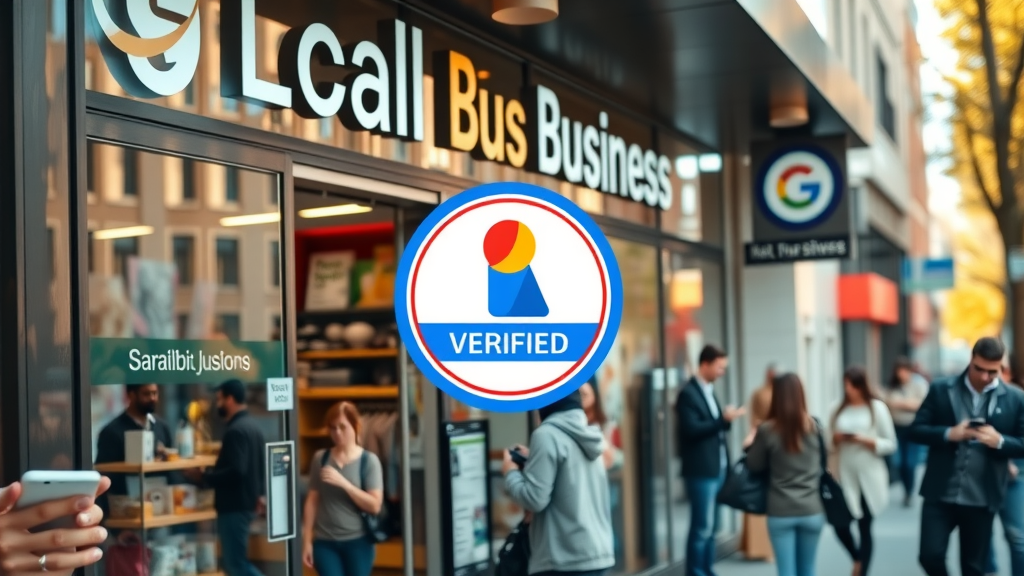
At the core of every successful online presence is a carefully-crafted business profile. Your business profile is more than just a listing—it's the digital face of your brand and a powerful SEO asset. With an optimized Google Business Profile, you can boost visibility in local search results, establish trust, and attract foot traffic to your physical location.
Too many small businesses overlook the importance of verifying and maintaining their Google Business presence, missing valuable opportunities for engagement and foot traffic. Alongside your website and social channels, a well-maintained profile enables you to showcase positive reviews, current offerings, and vital information to potential customers at every stage of their buying journey.
Creating an Optimized Google Business Profile for Small Businesses
Getting started with a Google Business Profile is straightforward, but the true value comes from ongoing optimization. Begin by ensuring that all details—name, address, phone number, category, and hours—are accurate and consistently formatted with your other listings. Add high-quality photos of your storefront, products, or team, and encourage satisfied customers to leave genuine reviews, responding to each one in a timely and professional manner.
Regularly update your Google Business listing with special offers, events, and fresh photos. Use relevant keywords in your business description to boost your visibility in search engine results, especially for local searches. An optimized Google Business Profile increases the chance of appearing in Google’s valuable map pack, driving foot traffic and calls directly to your business—outpacing competitors still stuck with incomplete listings.
Optimizing Your Website for Search Engine Optimization

Your website is often the first impression potential customers have of your business. Optimizing it for search engine optimization (SEO) is non-negotiable for small businesses aiming to outperform competitors online. Start with thorough keyword research relevant to your niche, products, and local audience. Incorporate these keywords naturally into page titles, meta descriptions, header tags, and high-quality content to improve your website’s visibility in search results.
Go beyond keywords by focusing on fast page speed, mobile-responsiveness, logical site structure, and easy navigation. Make sure vital business information—like your address, phone number, hours, and services—is displayed consistently. Embed clear calls-to-action throughout your site to guide users towards making contact, purchasing, or signing up for your email list. Don’t neglect technical SEO: use schema markup, optimize images with descriptive alt text, and maintain strong internal linking to help search engines understand and rank your content.
Leveraging Local SEO to Dominate Your Local Market
Local SEO is crucial for small businesses wanting to reach nearby customers. By optimizing both your Google Business Profile and your website with relevant local keywords (such as city, neighborhood, or region), you can appear in more location-based searches on Google and other search engines.
Encourage satisfied customers to leave positive reviews, and feature those testimonials on your site and social channels. Regularly update your local listings, ensuring your business information is consistent everywhere it appears online. Build strong local backlinks by partnering with community organizations, industry directories, and local influencers. Mastering local SEO is one of the fastest ways to elevate your business profile, attract walk-in customers, and stay ahead of local competitors in search results.
Target Audience Identification: The Backbone of Effective Marketing Strategies for Small Businesses
Every successful digital marketing strategy for small businesses starts with understanding your target audience. Without a clear picture of who you’re trying to reach, your marketing efforts will be unfocused, expensive, and less likely to yield positive results. Identifying the demographics, interests, and behaviors of your ideal customers ensures that each marketing effort is efficient and impactful.
How to Define and Analyze Your Target Audience

Begin by collecting data from customer surveys, social media insights, website analytics, and point-of-sale information. Use this data to build detailed buyer personas that represent your best customers. Look for patterns in age, gender, location, occupation, purchasing motivations, and media consumption habits. Actual conversations and customer feedback are invaluable—listen closely for pain points and language that can guide your messaging.
Next, segment your audience into distinct groups based on their needs, behaviors, and buying stages. Tailor your email marketing, content, and ads to these segments for maximum relevance and engagement. Using marketing tools, like CRM systems or analytics dashboards, helps automate the process of targeting the right message to the right audience at the right time.
Aligning Marketing Efforts with Buyer Personas
Once you’ve defined your target audience, align every aspect of your marketing strategy around your buyer personas. This means customizing your website copy, social media content, email campaigns, and paid ads to directly address the unique motivations and objections of each segment. A focused approach ensures that every marketing dollar you spend goes toward reaching potential customers most likely to convert.
Brands that maintain consistent messaging aligned with their audience’s core desires enjoy better engagement, stronger loyalty, and more word-of-mouth referrals. As your market evolves, revisit and update your personas regularly—market research and customer feedback provide insights that can reveal shifts in preferences or new opportunities.
"Understanding your audience is the foundation upon which all successful digital marketing strategies for small businesses are built."
Social Media Marketing Platforms: Amplifying Small Business Reach
Social media marketing is a game-changing strategy for small businesses seeking rapid audience growth and connection. The right mix of media platforms empowers brands to cultivate loyal communities, share compelling content, and drive traffic back to their websites. However, not every social media platform is a fit for every business—choosing wisely is essential for maximizing ROI.
Selecting the Right Social Media Platform for Your Digital Marketing Strategy

Evaluate your target audience’s age, interests, and content preferences when choosing where to focus your marketing efforts. For example, Instagram and Facebook excel for visually appealing local retail, fashion, and food brands, while LinkedIn serves B2B and professional services best. Platforms like TikTok and YouTube favor businesses able to produce creative video content. Avoid spreading yourself too thin—maximize results by investing in one or two media platforms aligned with your business goals and audience behavior.
Consider each platform’s strengths: Facebook for groups and local ads, Instagram for lifestyle imagery, Twitter for timely updates, LinkedIn for thought leadership, and Pinterest for DIY and product inspiration. Assess your resources, content types, and long-term vision before building your editorial calendar.
Creating a Content Calendar for Consistent Media Marketing

A content calendar is your best tool for maintaining consistency and maximizing engagement on your chosen social media platforms. It provides an at-a-glance view of your publishing schedule, content themes, promotional campaigns, and key dates. Draft your content calendar at least one month out, scheduling a mix of branded posts, behind-the-scenes stories, user-generated content, and promotional offers.
Factor in seasonal events, product launches, and user engagement insights when building your schedule. Collaboration tools, such as Trello or Asana, can streamline team workflows and ensure everyone’s aligned. Consistency breeds familiarity—sticking to a regular posting cadence keeps your brand top-of-mind and tells the social media algorithms you’re an active, valuable participant on their platform.
Best Practices for Engagement on Leading Social Media Platforms
Engagement is the currency of social media marketing. Respond to comments, answer direct messages promptly, and thank followers for sharing your content. Use polls, interactive stories, live sessions, and giveaways to spark conversation and encourage audience participation—these activities are favored by social media algorithms and increase your organic reach.
Leverage curated hashtags to expand your posts’ discoverability across broader audiences. Study social listening insights and competitor activity to refine your approach over time, learning which posts, formats, and times of day yield the strongest results for your brand.
Email Marketing: Direct Outreach for Small Businesses
Email marketing remains one of the most powerful marketing tools for small businesses. It offers unparalleled ROI, direct communication with your most loyal customers, and endless opportunities for nurturing leads. Building and segmenting your email list allows for highly-targeted, personalized communication that can drive sales more effectively than almost any other digital channel.
Building and Segmenting Your Email List

Growing your email list should be a priority from day one. Use website sign-up forms, lead magnets (like free guides or discounts), and in-person events to encourage signups. Never purchase lists—quality always beats quantity. Next, segment your list based on criteria like purchase history, location, engagement level, or expressed interests.
Segmentation enables you to send hyper-relevant messages that increase open and click-through rates. Marketing automation tools make it simple to create audience segments and trigger emails based on user actions, such as abandoned carts or past purchases.
Crafting High-Conversion Email Marketing Campaigns
A successful email marketing campaign combines attention-grabbing subject lines, personalized greetings, relevant content, and a compelling call-to-action. Don’t bombard your audience—aim for value in every send, whether it’s a helpful tip, an exclusive offer, or a company update. Professionally designed templates with mobile-responsiveness ensure your message looks great across devices.
Test different sending times, subject lines, and content styles to discover what resonates best. Include social sharing buttons to amplify your reach and encourage subscribers to forward your campaigns to colleagues or friends.
Analyzing Email Marketing Metrics for Optimized Results
Track key performance indicators like open rates, click-through rates, conversion rates, and unsubscribes. Use A/B testing to refine every element of your campaigns, from layout to wording. Analyzing your results helps you understand what’s driving success and where there’s room for improvement—consider it the feedback loop that turns good campaigns into great ones.
Consistently monitor how each segment responds to different messages and offers. Adjust your targeting and content strategy accordingly, always aiming to deliver more value to your subscribers and maximize your email marketing ROI.
Content Marketing and SEO: Driving Sustainable Growth with Digital Marketing Strategies for Small Businesses
Content marketing and search engine optimization (SEO) work together to build trust, authority, and sustainable organic traffic for small businesses. High-quality, relevant content engages your audience, while SEO ensures that content is discoverable in search engines, connecting you to more potential customers without paying for every click.
Developing a Content Strategy That Resonates with Your Target Audience

Start with your target audience personas and brainstorm content topics that address their goals, challenges, and interests. Create a mix of blog posts, FAQs, how-to guides, product features, and customer success stories to appeal to various stages of the buyer’s journey. Every piece of content should have a clear goal—whether it’s building awareness, providing education, or driving action.
Incorporate popular and long-tail keywords naturally within your content, making sure it flows for human readers as well as search engines. Consistency is key: publish on a regular basis to build momentum, and encourage social sharing to expand your reach.
SEO Basics: Engine Optimization Tips for Small Businesses
Implement fundamental SEO best practices: create descriptive page titles, meta descriptions, and header tags full of relevant keywords. Optimize images with appropriate alt text, improve internal linking to keep users (and search engines) exploring your site, and provide a seamless user experience regardless of device.
Leverage tools like Google Analytics and Search Console to monitor your traffic and keyword performance. Address technical issues promptly, such as broken links or slow load times, to climb higher in the search engine rankings and enjoy long-term organic growth.
Utilizing Search Engine Optimization and Content Marketing Together
When applied together, SEO amplifies the reach and impact of your content marketing strategy. Every blog post, video, or resource page serves as a fresh entry point for search engines to discover and index your site. Identify gaps in your existing content using competitor research and keyword analysis, then fill those gaps with actionable, well-optimized resources specific to your niche.
By consistently producing SEO-focused content, you’ll capture more search result impressions and become the go-to source for potential customers in your community or industry.
Advertising and Influencer Partnerships: Advanced Digital Marketing Strategies for Small Businesses
Once foundational strategies are delivering results, advanced tactics like digital advertising and influencer partnerships can provide a rapid boost. Both approaches expand your reach to new audiences and offer precise targeting opportunities to drive measurable, scalable growth for your small business.
Digital Advertising Platforms: PPC, Social Ads, and Retargeting

Pay-per-click (PPC) ads, Facebook and Instagram ads, and retargeting campaigns help small businesses place their products or services in front of highly targeted audiences. Google Ads enables you to bid on specific keywords and display ads to users searching for products or services like yours. Social media platforms offer precise demographic, interest, and behavioral targeting, making it easier to generate traffic and conversions.
Retargeting ads reach users who have already visited your website—reminding them to return and complete their purchase. Set clear budgets, define measurable goals, and use A/B testing to continually improve your digital advertising ROI.
Collaborating with Influencers for Greater Online Presence

Influencer marketing allows small businesses to borrow trustworthy voices and large followings for increased awareness and credibility. Start by identifying local or niche influencers whose values align with your brand. Collaboration options range from one-off product reviews and social media mentions to full-scale brand ambassadorships or event appearances.
Approach every partnership authentically: offer value to the influencer and their audience, and ensure you have clear goals, deliverables, and tracking mechanisms in place. Monitor the impact of each collaboration on your social media metrics, website traffic, and sales to determine which relationships are most beneficial for future campaigns.
Utilizing Marketing Tools for Small Business Pro Success
The right marketing tools help automate tasks, streamline workflows, and provide actionable analytics for ongoing improvement. Investing in the right digital technology is what separates a good marketing effort from true business pro mastery.
Overview of Top Marketing Tools
Automating Repetitive Marketing Tasks
CRM Systems and Analytics Essentials
From email service providers (like Mailchimp or Constant Contact) to all-in-one platforms (like HubSpot or Hootsuite), marketing tools can drastically free up your team’s time and provide vital data on every campaign. Utilize CRM systems to track customer relationships and harness analytics dashboards to pinpoint what’s working and what’s not—enabling fast and confident strategic pivots.
Automation doesn’t mean sacrificing personalization. Use marketing automation to send targeted emails, schedule social media posts, and nurture leads through tailored workflows that feel uniquely human.
Optimizing Your Marketing Effort: Measurement and Improvement Strategies
Success doesn’t come from guesswork. To ensure your marketing strategy is actually moving the needle, you need ongoing measurement, testing, and continuous improvement baked into every campaign. Track key benchmarks, adapt to feedback, and make data-driven decisions to outpace competitors.
Setting KPIs and Benchmarks for Digital Marketing Strategies
Define clear KPIs (key performance indicators) for each channel—e.g., website traffic, email open rates, conversion rates, or follower growth. Benchmarks allow you to compare performance over time and against industry standards, highlighting where your marketing effort is strong or needs extra focus. Document baseline figures before launching major campaigns, so improvements are clearly measurable.
Regularly review your progress and adjust objectives to maintain motivation and ensure alignment with your overall business goals. Share these insights with your team to encourage accountability and collaboration.
Tracking, Testing, and Improving Your Marketing Strategy
Consistently monitor all available data, from Google Analytics to email reports and social media dashboards. Use A/B tests on subject lines, calls-to-action, landing pages, and ad creative to find the best-performing variations. Don’t be afraid to pivot strategies if certain tactics aren’t meeting performance targets. The most successful small businesses embrace a culture of experimentation, always seeking smarter ways to engage their audience and boost their ROI.
Collaboration and communication are key—schedule regular strategy reviews with your team and partners to discuss wins, challenges, and next steps.
Integrating Lessons Learned into Future Campaigns
Collect actionable insights from every marketing effort, whether it’s a campaign that exceeded expectations or one that fell short. Document learnings and apply them to your planning process for upcoming campaigns. This continuous feedback loop improves results over time and keeps your small business ahead of the competition, no matter how quickly the digital landscape evolves.
Remain agile and proactive—adapt to emerging trends, test new tools, and never stop refining your approach.
Watch inspiring case studies of small businesses that have transformed their growth and online presence by embracing digital marketing strategies, from local retailers to ambitious startups.
This video tutorial walks you through planning, executing, and monitoring your debut digital marketing campaign—breaking down each step so you can confidently launch and drive early results for your small business.
People Also Ask: How to do digital marketing for a small business?
Practical, Actionable Steps for Implementing Digital Marketing Strategies for Small Businesses
To get started, define your target audience and set clear, measurable goals. Build an optimized website and Google Business Profile. Choose 1–2 social media platforms where your customers spend time; create a content calendar for regular posting. Collect email addresses, segment your list, and launch your first campaign. Leverage local SEO to rank in geographic searches. Finally, invest in basic analytics and review campaign results monthly to refine your marketing strategy for continuous improvement.
Prioritize quality over quantity at every step, learn from every campaign, and never be afraid to test new approaches until you find what works best for your business.
People Also Ask: What are the 7 C's of digital marketing?
Exploring Each C and Its Importance in Digital Marketing Strategies for Small Businesses
The 7 C’s of digital marketing are: Content, Context, Connection, Community, Customization, Communication, and Conversion. For small businesses, these principles ensure you’re not just publishing information, but making it personal, relevant, interactive, and conversion-oriented. Content and context catch your audience’s attention; connection and community foster engagement; customization makes your outreach feel personal; communication ensures feedback; and conversion is the ultimate goal, turning interest into loyal customers.
Apply each C to your strategy, from crafting value-driven content and building interactive communities to tracking conversions and optimizing for future outreach.
People Also Ask: What are the top 7 types of digital marketing strategies?
Overview of Each Core Strategy and Their Relevance to Small Businesses
The top 7 types of digital marketing strategies for small businesses are:
Search Engine Optimization (SEO)
Content Marketing
Social Media Marketing
Email Marketing
PPC (Pay-Per-Click) Advertising
Affiliate and Influencer Marketing
Video Marketing
Each approach can be tailored to fit your business size and audience, helping attract prospects, nurture leads, and convert visitors into loyal customers. Mastering even a few of these can make a significant difference in your market visibility and revenue.
Evaluate each channel based on your resources, customer preferences, and growth goals before making your selection.
People Also Ask: What are the 5 P's of digital marketing?
Understanding the 5 P's in Crafting Your Digital Marketing Strategy for Small Businesses
The 5 P’s of digital marketing are: Product, Price, Place, Promotion, and People. These pillars guide every aspect of your strategy: offering the right product at the right price, being in the right place (digital platforms your audience uses), promoting effectively, and always considering the people (your customers) at the center.
When applied, these fundamentals ensure your digital initiatives are not only well-structured but also truly customer-driven and results-oriented.
"You don’t need a big budget, but you do need a smart marketing strategy to grow your small business online."
Top 10 Mistakes Small Businesses Make in Digital Marketing Strategies
Ignoring the target audience
Inconsistent marketing effort
Underutilizing social media marketing platforms
Neglecting their business profile
Not optimizing for local SEO
Failing to build an email list
Overlooking content marketing
No clear marketing strategy
Not tracking results
Copying competitors blindly
Best Practices and Action Steps for Implementing Digital Marketing Strategies for Small Businesses
Set clear objectives for each channel
Create a content calendar
Choose the right marketing tools
Monitor and analyze your results
Continually refine your marketing strategy
Frequently Asked Questions About Digital Marketing Strategies for Small Businesses
What is the most cost-effective digital marketing strategy for small businesses?
Email marketing is widely recognized as the most cost-effective strategy for small businesses. It allows you to reach directly into your audience’s inbox at minimal cost, nurturing leads, driving repeat business, and promoting new offers with excellent ROI compared to many paid channels.
How often should small businesses update their marketing strategies?
Small businesses should review and update their marketing strategies at least quarterly. Digital trends evolve quickly, so regular updates ensure your tactics remain relevant, optimal, and aligned with shifting audience behaviors or new platform features.
Can content marketing and SEO really compete with paid advertising for small businesses?
Yes—content marketing and SEO can generate sustainable, high-quality leads over the long term, often at a lower cost than paid advertising. While paid ads deliver quick wins, organic strategies build authority and ongoing value, helping small businesses dominate their niche in search results.
How do I choose the right marketing tools for my small business?
Assess your business needs, marketing budget, and technical ability before selecting tools. Prioritize platforms that offer intuitive interfaces, essential features like analytics or automation, and reliable support. Many providers offer free trials—test a few to find the best fit for your business size and objectives.
Key Takeaways on Digital Marketing Strategies for Small Businesses
Prioritize building a strong online presence
Leverage local SEO and social media marketing
Invest in email and content marketing
Track, measure, and optimize every marketing effort
Use marketing tools to scale operations efficiently
Ready to Grow? Schedule a Free Strategy Session for Your Small Business
Unlock a tailored marketing strategy
Hands-on advice for digital growth
No obligation, actionable feedback
Schedule a Free Strategy Session Today!
Success Starts Here: Empower Your Small Business with Leading Digital Marketing Strategies
Take action: Prioritize your online presence, start small but smart, and optimize continuously—real business growth is just a strategy away.
To enhance your understanding of effective digital marketing strategies for small businesses, consider exploring the following resources:
“10 Digital Marketing Tips for Small Businesses” ( futurelearn.com )
This article offers practical advice on selecting the most suitable social media platforms, developing email marketing campaigns, and engaging with local influencers to boost your business’s online presence.
“16 Effective Digital Marketing Strategies for Small Businesses on a Budget” ( azbigmedia.com )
This resource provides cost-effective strategies, including leveraging mobile-focused ads and collaborating with micro-influencers, to maximize your marketing efforts without straining your budget.
By delving into these articles, you’ll gain actionable insights to refine your digital marketing approach and drive meaningful growth for your small business.




Write A Comment