


Did you know that businesses with both sales funnels and marketing funnels outperform their competitors by up to 36% in customer retention? Understanding the nuances between sales and marketing funnels isn’t just a technical detail—it’s the difference between growth and stagnation. In this guide, you’ll unravel the real impact of sales funnel vs marketing funnel explained and discover actionable strategies to fuel your business growth.
Did You Know? The Startling Impact of Sales Funnel vs Marketing Funnel Explained on Business Growth
Most companies invest heavily in their marketing efforts but overlook the distinct roles that sales and marketing funnels play in driving revenue. Recent research highlights that aligning your sales and marketing funnels can increase your conversion rate and foster long-term customer retention. The impact isn’t subtle—clear funnel structures mean more qualified leads , smarter allocation of resources, and a smoother customer journey all the way to purchase.
For instance, imagine your sales team is overwhelmed by unqualified traffic, or your marketing department isn't nurturing leads enough before handing them to sales. Without clear distinctions between the marketing funnel and the sales funnel , you risk wasting effort and, ultimately, missing out on growth opportunities.

Why Understanding Sales Funnel vs Marketing Funnel Explained is Essential for Modern Marketing Strategies
To achieve real success, it’s not enough to simply create a funnel—you must know how both sales funnels and marketing funnels function independently and together. The modern sales and marketing funnel isn’t a straight line; it’s an orchestrated journey tailored to today’s buyer behavior. If your teams are running in silos, you end up with gaps that leak potential revenue and weaken your overall performance.
Businesses that take the time to align these funnels enjoy higher efficiency, greater ROI from each department, and a unified brand experience for their potential customers. If you want to see direct gains in metrics like lead quality and deal closure, understanding where sales funnels and marketing funnels meet—and where they diverge—is essential.
"Businesses that align their sales and marketing funnels experience 36% higher customer retention rates." – HubSpot
Unlocking Success: What You'll Gain from This Sales Funnel vs Marketing Funnel Explained Resource
Deep dive into the differences and overlaps between marketing funnel and sales funnel
Guidance on structuring marketing funnels for optimal performance
Real-world case studies demonstrating sales and marketing funnel collaboration
Strategic tips for managing sales and marketing funnels to increase qualified leads
Actionable techniques to bridge gaps in your marketing and sales funnel
By diving into this guide, you’ll learn how to fine-tune your marketing and sales funnels for each stage of the customer journey. Expect real examples, best practices, and step-by-step workflows that you can apply, whether you’re just starting or seeking to elevate your business to new heights.
Sales Funnel vs Marketing Funnel Explained: Core Concepts You Need to Know
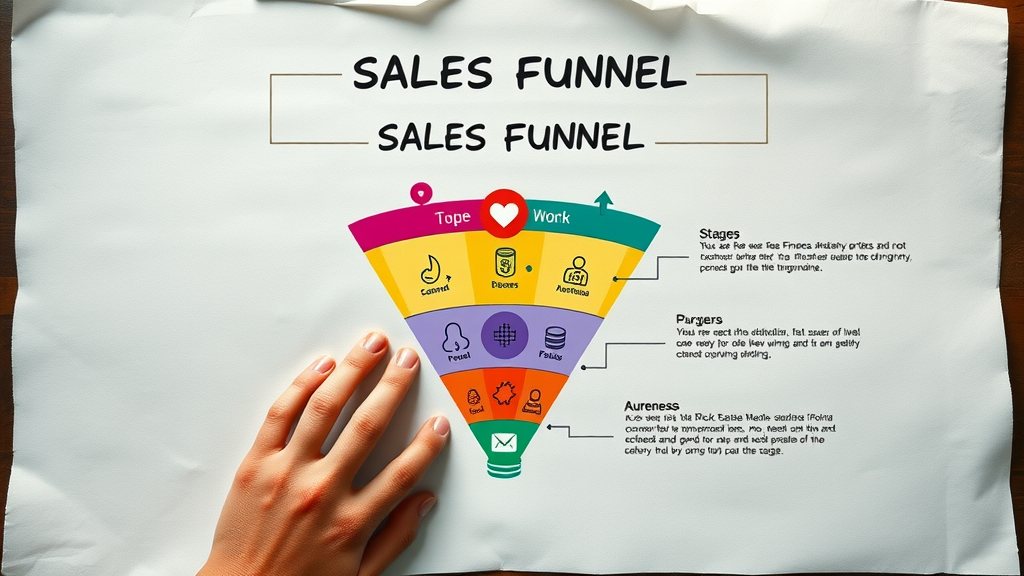
At the core, the sales funnel and marketing funnel serve complementary roles in converting a potential customer into a loyal client. The marketing funnel casts a wide net to drive brand awareness and nurture relationships, while the sales funnel zeroes in on guiding qualified leads through the decision-making process to close deals.
To fully leverage their power, your marketing team must understand how to transition nurtured leads smoothly to the sales team at the right funnel stage. This synchronization ensures no valuable prospect slips through the cracks, maximizes your outreach, and improves conversion probability.
Defining the Marketing Funnel and Its Role in the Customer Journey
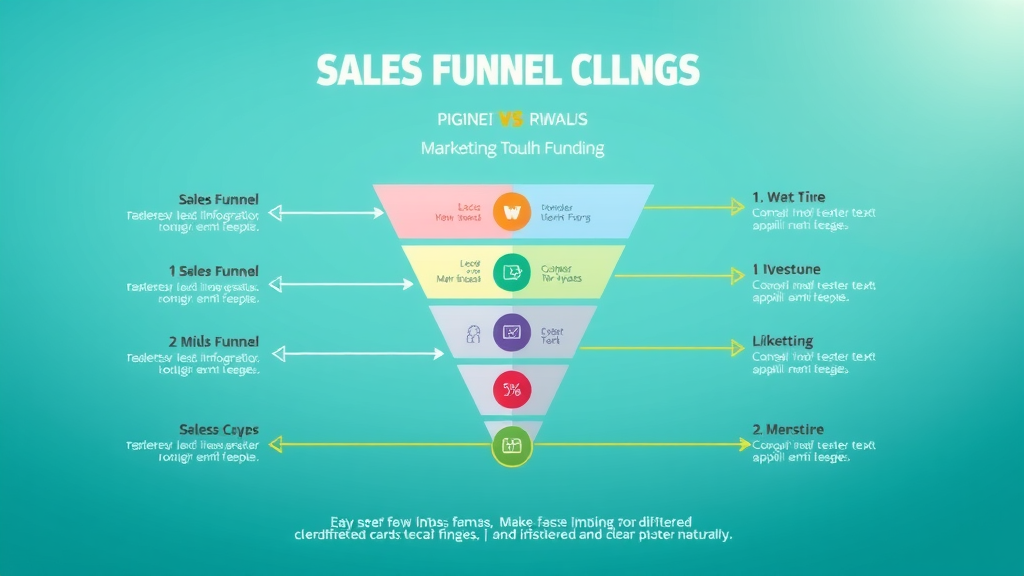
The marketing funnel is a strategic visualization that illustrates how you attract and nurture potential leads from their first interaction with your brand to the moment they’re handed to sales. The journey starts with brand awareness —the “top of the funnel”—and continues through consideration and eventually leads to a qualified conversion.
Effective marketing funnels employ content marketing , SEO , social media , and email campaigns to gradually educate and qualify potential customers. Marketing teams that structure their funnel effectively transform cold audiences into interested prospects, ready for a personal touch from the sales team. Every stage of the funnel is carefully crafted to address specific pain points and objections, resulting in better lead quality.
What Is a Sales Funnel? Understanding the Path to Conversion
The sales funnel complements your marketing funnel by providing a structured, step-by-step journey for qualified leads. After marketing nurtures interest, the sales process takes the baton—qualifying prospects, uncovering their pain points , and guiding them through product demonstrations, negotiations, and, ultimately, making a purchase.
Sales funnels are typically less about mass outreach and more about building relationships with potential customers. By focusing on key decision triggers and addressing objections, the sales team ensures that leads are moving confidently toward a close, resulting in higher conversion rates and improved revenue outcomes.
Aspect |
Sales Funnel |
Marketing Funnel |
|---|---|---|
Primary Goal |
Convert leads to paying customers |
Attract and nurture potential leads |
Stages |
Aware, Interest, Decision, Action |
Awareness, Consideration, Conversion |
Key Metrics |
Closing rate, average deal size |
Traffic, engagement, lead quality |
Marketing Funnel Explained: Stages, Strategies, and Best Practices
A well-structured marketing funnel is essential for growing your customer base and delivering a steady stream of prospects to your sales team. Each stage is an opportunity to educate, build trust, and filter out leads who are unlikely to be a fit. This targeted approach not only raises brand awareness but also ensures the qualified leads passed to sales are ready to convert.
By applying proven marketing strategies across the different stages, your marketing funnels can work harder for your business—driving meaningful engagement, higher conversions, and a better return on investment.
Top of the Funnel: Attracting and Educating Potential Leads
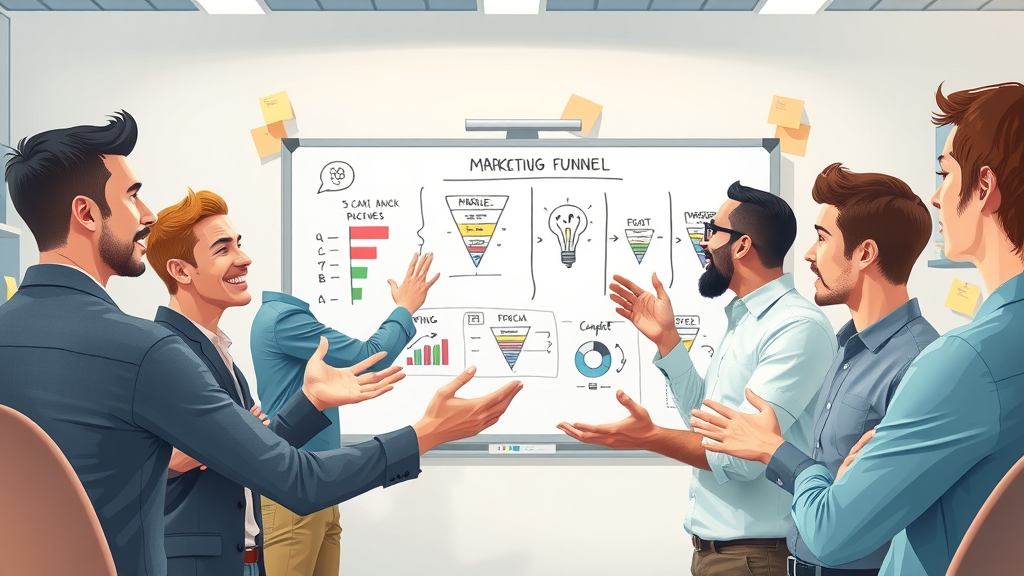
At the top of the funnel , the primary goal is brand awareness and initial lead attraction. This stage targets the broadest possible audience—people who are just discovering your product or service. To succeed, your marketing team should focus on content marketing , social media campaigns, and targeted advertising that educate and engage. Building trust and providing value from the very first interaction establishes the foundation for further engagement.
Awareness-building content
Content marketing strategy
SEO and paid media
Using blog posts, infographics, educational videos, and webinars, marketers create touchpoints that gently guide potential customers deeper into the funnel. The primary metric at this stage is engagement—how many people are interacting with your brand and showing interest?
Middle of the Funnel: Engaging and Nurturing Prospects
The middle of the marketing funnel is where leads start showing real interest. Here, you shift focus from generating traffic to nurturing and qualifying those leads. Personalized email campaigns, valuable resources like lead magnets, and interactive events help deepen relationships and identify serious buyers.
Email marketing sequences
Lead magnets and educational resources
Webinars and events
This is when you address specific pain points and begin to segment your audience by behavior, intent, and engagement. The marketing team works to position your company as a trusted advisor, making it easier for the sales team to step in when the timing is right.
Bottom of the Funnel: Converting Qualified Leads into Opportunities
At the bottom of the marketing funnel , the goal is to transition the most interested prospects into actual sales opportunities. This is where your sales and marketing teams must work seamlessly to hand off leads and ensure a personalized experience.
Demo requests
Sales consultations
Exclusive trials
Here, touchpoints are specialized—think free product demos, personalized consultations, and limited-time offers that incentivize a decision. Strong collaborations at this funnel stage significantly increase your conversion rate and drive higher ROI on your marketing efforts.

Sales Funnel Explained: From Qualified Lead to Customer
Once a qualified lead enters the sales funnel , the process becomes more individualized and focused on closing the sale. Each funnel stage is crafted to move prospects from awareness to a final decision, using the right mix of consultation, persuasion, and support. Let’s break down the key steps you need to successfully manage the sales process.
Mastering each step not only boosts your conversion rate but also enhances customer satisfaction—setting the stage for future upsells, cross-sells, and brand advocacy.
Sales Funnel Stages—A Step-by-Step Breakdown
Lead Qualification: Assessing prospects
Needs Analysis: Understanding customer pain points
Solution Presentation: Tailoring the offer
Objection Handling
Closing the Deal
The process starts with lead qualification , where potential buyers are vetted based on fit and readiness. Next comes needs analysis : a consultative conversation to uncover core pain points and objectives. Then, a tailored solution is presented, often through a demo or proposal. Handling objections with empathy and clarity is essential before moving to the all-important close—where agreements are signed, and a purchase is made.
"The sales funnel doesn’t end at closing; nurturing post-sale relationships is crucial to repeat business." – Brian Tracy
The best sales funnels don’t stop after the deal. A strong follow-up protocol ensures the customer journey continues, turning happy clients into repeat customers and brand advocates, which feeds new referrals back into the top of the funnel.

How Marketing Strategy Integrates with Sales Funnel vs Marketing Funnel Explained
Effective marketing strategy can mean the difference between disconnected departments and a cohesive customer experience. By integrating your marketing funnels and sales funnels , you ensure both teams have shared goals, vocabulary, and KPIs.
Alignment isn’t just for big businesses—it enables even small and medium-sized companies to increase agility, track every funnel stage , and quickly respond to evolving buyer needs.
Aligning Sales and Marketing Funnels for Business Growth
Why sales and marketing alignment matters
Overcoming silos for a unified customer journey
Key collaboration strategies
When your sales and marketing teams share a singular view of the customer journey , you can personalize every touchpoint and improve the lead hand-off experience. This tight integration breaks down silos, enabling feedback loops to refine marketing and sales funnel processes rapidly.

Case Studies: Real-World Examples of Successful Sales and Marketing Funnel Integrations
Consider case studies where organizations eliminated funnel friction and saw record results. For example, after introducing joint pipeline reviews, a SaaS company reduced lead leakage by 30%. Another business launched a cross-functional task force to bridge content gaps between marketing and sales, doubling conversion rates in less than a year.
These examples underscore the importance of regular communication, shared analytics dashboards, and a customer-first mindset when fine-tuning your funnel stage strategies.
Differences and Overlaps: Marketing Funnel vs Sales Funnel—What Sets Them Apart?
While the marketing funnel and the sales funnel are tightly connected, their primary objectives, KPIs, and touchpoints differ. Marketing is about attraction and nurturing on a broad scale. Sales is about individualized conversations, negotiation, and closing deals.
Understanding the subtle but significant differences can help clarify responsibilities for your teams, optimize handoff points, and eliminate costly process gaps that slow down your business growth.
Goals and Metrics—Comparing Sales Funnels vs Marketing Funnels
Key performance indicators for both funnels
How goals diverge and where they merge
Marketing funnels track metrics like reach, engagement, and lead quality. Sales funnels , on the other hand, are focused on closing rate, average deal size, and time to close. Where these funnels merge is the point where a highly-engaged, qualified lead is handed to sales, showing a clear intent to purchase or try your product.
Common Challenges in Integrating Marketing and Sales Funnels
Data hand-off between marketing and sales teams
Differing definitions of a qualified lead
Solutions to bridge process gaps
Common challenges include inconsistent definitions of a qualified lead , broken communication lines, or incompatible analytics systems. To bridge these gaps, adopt shared metrics, standardized processes, and collaborative meetings to review case studies and optimize each funnel stage together.
Funnel Stage Optimization: Maximizing Results Across Sales and Marketing
Optimizing every stage of your sales and marketing funnel can have a compounding effect on your overall results. Diagnosis and customization are the tools of the trade—use data to remove bottlenecks, tailor workflows to your industry, and ensure smooth transitions from one funnel stage to the next.
By continually testing, iterating, and refining, your business can greatly increase conversion rates , improve customer experiences, and boost your bottom line.
Diagnosing Bottlenecks in Sales and Marketing Funnels
Start by identifying where leads are dropping out of your funnel. Use analytics to spot patterns of low engagement, slow response times, or insufficient qualification. These are your bottlenecks! Typical problems include weak content marketing , delayed sales follow-ups, or lack of clarity in your customer journey.
Customization Tactics—Adapting Funnels for Different Industries
Every industry requires its own version of the sales funnel vs marketing funnel explained. For example, B2B funnels might require more educational content during the lead nurture phase, while B2C might benefit from rapid onboarding and quick decision-making incentives. Adapt your touchpoints, messaging, and KPIs to fit your unique market requirements.
Use feedback from customers and your sales and marketing teams to tailor template processes, ensuring relevance and resilience to changing market conditions. This approach ensures every stage of the funnel supports your ultimate goal: loyal, satisfied customers.
Practical Guide: Building Your Sales and Marketing Funnel from Start to Finish
Constructing a tailor-made funnel isn’t a mystery—simply follow a structured approach for both your sales funnel and marketing funnel. Below, you’ll find a step-by-step breakdown for each, ensuring no detail is overlooked.
Step-By-Step: Structuring Your Sales Funnel
Mapping customer journey stages
Lead scoring and qualification
Integrating CRM tools
Begin by mapping the key stages your customers experience, from discovery to decision. Develop scoring criteria to qualify leads and prioritize sales outreach. Integration with CRM tools allows for automation, follow-ups, and real-time analytics, resulting in a high-performing, repeatable sales process.
Step-By-Step: Creating an Effective Marketing Funnel
Content personalization
Channel selection
Performance tracking
Design your marketing funnel with customized content, selecting the right channels to reach each segment (social media, email, ads), and implement detailed performance tracking to adjust strategies quickly. Balance automation with personalization to maximize engagement and lead quality.

Strategy in Action: Comparing Sales Funnel and Marketing Funnel Case Studies
Nothing beats real-world case studies to illustrate the power of approach. Below are two compelling examples showing how optimized sales and marketing funnels supercharged business results.
Case Study #1: Marketing Funnels That Drove High Conversion Rates
TechBiz A reevaluated their marketing funnel , focusing on content trust signals and lead scoring. By refining content relevance and nurturing, they saw a tenfold increase in lead generation and a higher percentage of qualified leads reaching the sales team ready to buy.
Case Study #2: Sales Funnel Transformation for Revenue Growth
SaaSCorp B automated its sales funnel, using CRM integrations for lead follow-ups and data-driven prospecting. This resulted in a 25% increase in deals closed, improved sales process consistency, and greater customer lifetime value.
Company |
Approach |
Outcome |
|---|---|---|
TechBiz A |
Marketing funnel optimization |
10X lead generation |
SaaSCorp B |
Sales funnel automation |
25% increase in deals closed |
Key Takeaways and Expert Insights on Sales Funnel vs Marketing Funnel Explained
"A seamless handover between the marketing funnel and the sales funnel is the backbone of top-performing organizations." – Neil Patel
Sales and marketing funnel success is never accidental. Whether you’re using case studies, analytics, or industry best practices, double down on funnel alignment, data-driven decisions, and ongoing team collaboration for the greatest business gains.
Frequently Asked Questions—Sales Funnel vs Marketing Funnel Explained
What is the difference between sales funnel and marketing funnel?
The marketing funnel focuses on attracting a broad audience and nurturing them through content, education, and brand engagement. The sales funnel picks up once a lead is qualified, guiding prospects through personal communication, needs analysis, solution presentation, and closing the deal. Both are essential, but each has distinct stages, goals, and key performance indicators.
What are the 5 stages of the sales funnel?
The classic sales funnel includes Awareness, Interest, Consideration, Decision, and Action. At each stage, the sales team uses targeted strategies to assess fit, address needs, overcome objections, and move qualified leads toward making a purchase.
What is the difference between sales funnel and email marketing?
An email marketing campaign is a tool used within both marketing funnels and sales funnels to nurture leads and drive conversions. A sales funnel refers to the broader step-by-step process of converting leads, while email marketing focuses on messaging, follow-up, and engagement within certain funnel stages.
How do you explain a sales funnel?
A sales funnel is a visual model representing the stages a prospect goes through—starting as an unaware visitor and ending as a paying customer. It helps businesses track, optimize, and personalize their sales process, boosting conversions and customer satisfaction.
People Also Ask About Sales Funnel vs Marketing Funnel Explained
What is the difference between sales funnel and marketing funnel?
The marketing funnel is about attracting and nurturing broad audiences, while the sales funnel narrows focus to closing qualified leads. Both must be aligned for success.
What are the 5 stages of the sales funnel?
The five core stages are: Awareness, Interest, Consideration, Decision, and Action. These stages help sales teams systematically move leads from discovery to purchase.
What is the difference between sales funnel and email marketing?
Email marketing is a channel or tool within the broader sales and marketing funnel, not a funnel itself. It’s used for nurture, information delivery, and post-sales engagement.
How do you explain a sales funnel?
A sales funnel visualizes the step-by-step path a lead takes from initial awareness to conversion, allowing businesses to improve efficiency and boost conversions at each stage.
Best Practices: Tips for Maximizing Your Sales Funnel vs Marketing Funnel Explained
Continuously track key funnel metrics
Automate repetitive stages
Quality over quantity when generating leads
Regularly update funnel content and touchpoints
Foster collaboration between sales and marketing teams
"Effective alignment of the sales and marketing funnel can yield up to a 67% improvement in closing deals." – Salesforce Research
Next Steps for Sales Funnel vs Marketing Funnel Explained: Transform Your Business Today
Schedule a Free Strategy Session Today! Book here and start optimizing your sales and marketing funnels for maximum ROI.
Take action now and bridge the gap between your sales and marketing—unlock higher conversions and sustainable growth.
Understanding the distinctions between sales and marketing funnels is crucial for optimizing your business’s customer acquisition and conversion strategies. The article “Sales Funnel vs. Marketing Funnel: What’s the Difference?” ( linkedin.com ) provides a comprehensive breakdown of each funnel’s purpose and stages, highlighting how they complement each other in guiding potential customers from initial awareness to final purchase. Additionally, “Marketing Funnel vs Sales Funnel: The Key Differences” ( blog.coupler.io ) delves into the specific roles and metrics associated with each funnel, offering insights into how businesses can effectively integrate both to enhance overall performance. By exploring these resources, you’ll gain a deeper understanding of how to align your sales and marketing efforts for maximum impact.




Write A Comment