


Did you know that companies using a structured sales funnel see up to 50% more sales-ready leads at a 33% lower cost ? For small business owners, the right marketing funnels can be the difference between stagnant sales and rapid growth. In this comprehensive guide, you’ll unlock real-world marketing funnel examples for small business that you can copy today—plus strategies to boost your conversion rate, nurture your leads, and amplify every stage of your sales funnel. Let’s reveal how modern funnel strategies can transform your business and give you the competitive edge you need.
Unlocking Revenue: Why Marketing Funnel Examples for Small Business Are Game Changers
Did you know that companies using a structured sales funnel see up to 50% more sales-ready leads at a 33% lower cost? Discover how marketing funnel examples for small business can transform your lead generation and conversion strategies.
Explore surprising data that reveals small businesses leveraging optimized marketing funnels can grow up to 2x faster than competitors.
In this article, we’ll break down real-life marketing funnel examples for small business, step-by-step strategies to craft your own, and actionable tips to boost every funnel stage.

Mastering the Basics: What Is a Marketing Funnel and How Does It Work for Small Businesses?
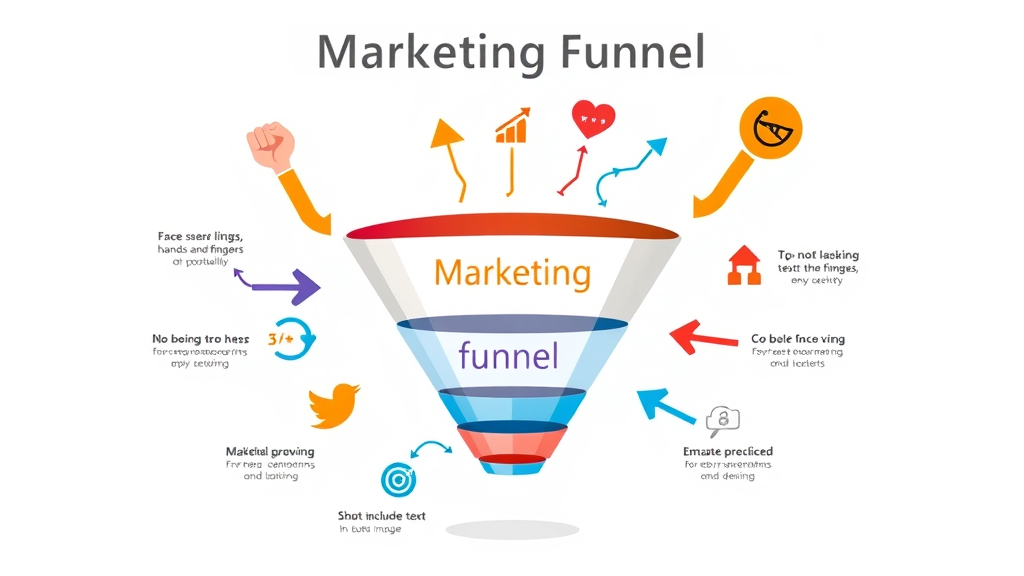
Defining the marketing funnel, sales funnel, and funnel stages: A marketing funnel is a visual representation of the stages a potential customer moves through, from first becoming aware of your product or service to making a purchase. For small business owners, it's crucial to distinguish between marketing funnels (focusing on nurturing and building trust) and sales funnels (driving actual purchase decisions). Each funnel stage—awareness, consideration, and conversion—serves a unique function in moving leads toward buying.
Visual explanation of the classic marketing funnel and why each funnel stage matters: Imagine a wide opening at the top to attract as many potential customers as possible through content marketing and social media. As leads move through the funnel, you focus on building trust, nurturing their interest, and guiding them to take action with a compelling landing page or a free trial offer.
High-level overview of how marketing funnels work and their relevance to small business growth: Efficient funnel work allows you to optimize each touchpoint, reduce wasted marketing spend, and systematically turn strangers into loyal customers. Whether your goal is increased lead gen , higher conversion rate, or more efficient sales funnels, understanding these basics is the first step toward small business growth.
Key Takeaways: What You’ll Gain from These Marketing Funnel Examples for Small Business
Step-by-step frameworks: You’ll walk away with proven templates to customize effective marketing funnels for your business, ensuring each funnel stage is optimized for results.
Real-world sales funnel examples: See how other small businesses—from e-commerce shops to coaches—use funnel work to increase their conversion rate across every touchpoint.
Best practices: Learn actionable tips to build trust , boost engagement, and optimize key funnel stages so you’re always converting at the highest rate possible.
Dissecting the Funnel: Understanding Every Funnel Stage for Maximized Results
What Each Funnel Stage Means for Marketing Funnel Examples for Small Business
Top of the funnel (Awareness): Attract potential customers using social media , blog posts , and strategic content marketing. This stage is about casting a wide net so your target audience knows your brand exists.
Middle of the funnel (Consideration/Nurture): Here, you build trust by providing valuable resources, such as downloadable guides, optimized landing page content, and nurture emails. Prospects become leads through strong lead gen strategies like webinars and free checklist offers.
Bottom of the funnel (Conversion): This is where your sales funnel turns high-intent leads into customers. Tactics include conversion-focused landing pages , free trial or consultation offers, and personal follow-ups that directly address each lead’s pain point.
Funnel Stage |
Classic Funnel Tactics |
Modern Funnel Tactics |
|---|---|---|
Top (Awareness) |
Social media, blog post advertising |
Influencer marketing, video content, SEO optimization |
Middle (Consideration) |
Email sequences, downloadable guides |
Automated webinars, interactive quizzes/courses, retargeted ads |
Bottom (Conversion) |
Sales calls, landing pages, free trials |
Personalized offers, A/B tested forms, AI-powered recommendations |
“ Effective marketing funnel strategies aren’t just for big brands—small businesses can more than double conversion rates by consistently nurturing leads at every stage. ” — Growth Marketing Pro
Real-World Marketing Funnel Examples for Small Business You Can Copy Today
Service-Based Business: The Consultation Booking Funnel
Top: Drive awareness using social media ads and targeted content marketing addressing common pain points for your ideal customer.
Middle: Capture lead gen forms via a dedicated landing page that highlights your value and invites prospects to schedule a free trial consultation.
Bottom: Deliver the free trial consultation, then nurture leads with automated follow-ups designed to overcome objections and encourage conversion into paid clients.
E-Commerce Store: The Product Sales Funnel
Top: Use blog posts , influencer partnerships, and social media campaigns for broad exposure to products or services.
Middle: Offer opt-ins for email discounts ( lead gen ), unlock limited-time deals, and nurture engagement with cart reminders and email marketing.
Bottom: Deploy an optimized checkout process with abandoned cart emails, plus retargeting to increase conversion rate.

Coaching & Courses: Webinar Funnel with High-Intent Leads
Top: Host free educational webinars promoted via social media and paid ads to attract high-intent leads seeking transformation or skill upgrades.
Middle: Capture leads via registration pages, then nurture with post-signup sequences—case studies, success stories, and Q&A to address customer journey pain points.
Bottom: Immediately offer a free trial or program sampler, followed by an upsell to your premium course or consulting package.
Industry |
Conversion Rate (%) |
Funnel Work Highlights |
Sales Funnel Techniques |
|---|---|---|---|
Service-Based |
18 |
Automated consult booking, free trial nurtures |
Follow-up calls, value-based email sequences |
E-Commerce |
12 |
Flash sales, cart recovery emails |
Multi-step checkout, influencer retargeting |
Coaching/Courses |
22 |
Webinar lead gen, high-touch post-event nurture |
Immediate upsell tactics, content drip sequences |

Building Your Own: Step-by-Step Process to Create Marketing Funnel Examples for Small Business
Mapping Each Funnel Stage: Awareness, Nurture, Convert
Detailed funnel stages walkthrough: Start by mapping out your customer journey. For awareness, select social media or content channels that reach your target audience. Next, build a compelling landing page for lead gen , using a persuasive headline and strong CTA. Nurture new leads with personalized email sequences, guiding them through FAQs, case studies, and pain-point solutions.
Optimizing landing pages and retaining leads: Test your landing page layout and copy using A/B testing. Encourage engagement with valuable offers—such as free guides or webinars—and keep leads in your funnel with consistent content, retargeting ads, and follow-up emails.
Critical Tools and Platforms for Crafting Effective Sales Funnels
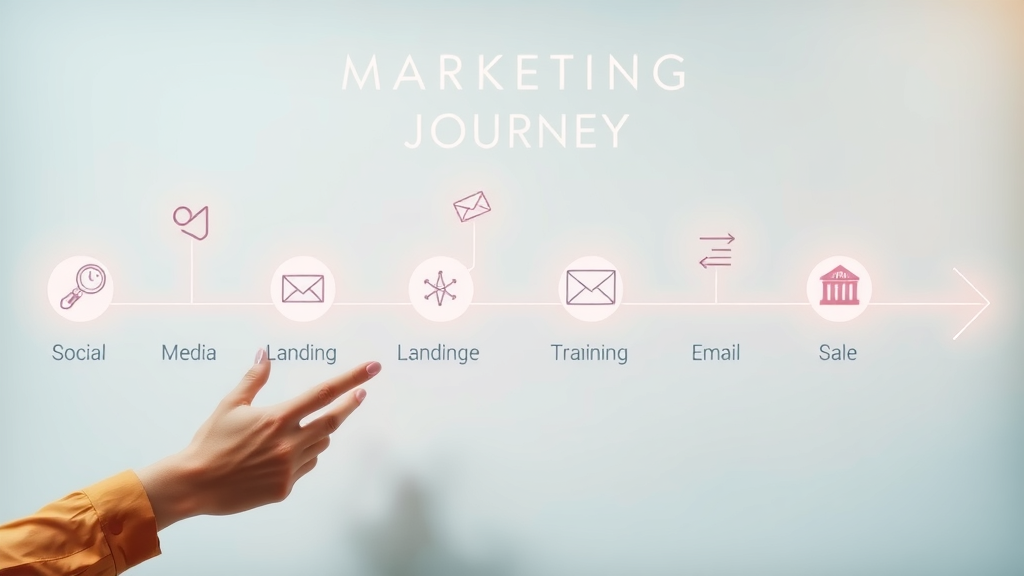
Choose user-friendly funnel builders (ClickFunnels, Leadpages, or MailerLite) to create seamless landing pages and flows.
Deploy powerful email platforms for segmented nurture sequences, product or service announcements, and automation.
Invest in analytics tools (Google Analytics, Hotjar) for robust funnel work analysis and continuous optimization of your sales funnel.
Remember, the best landing page and sales funnel platforms combine easy integration with high-converting templates to minimize friction and maximize results.

Top Strategies to Increase Conversion Rate in Your Marketing Funnel Examples for Small Business
Leverage split-testing: Deploy A/B tests on your landing pages, nurture emails, and free trial offers. As HubSpot notes, “A/B testing at every phase of your sales funnel can lift conversion rate by up to 300%.” Identify what resonates with your audience at each funnel stage and keep improving.
Content marketing and trust-building: Consistently produce high-value blog posts , case studies, and customer stories that address audience pain points and build trust , moving leads closer to conversion with every touchpoint.
Social media and retargeting: Use strategic retargeting ads on social media to capture bounces from each funnel stage. Engage with your audience, answer queries, and remind them of your offer at regular intervals.
“ A/B testing at every phase of your sales funnel can lift conversion rate by up to 300%. ” — HubSpot

People Also Ask: Key Questions About Marketing Funnel Examples for Small Business
What is an example of a marketing funnel?
A classic example is starting with a Facebook ad or insightful blog post for awareness, directing traffic to a lead gen landing page to capture interest, and finally closing with a personalized consultation or sales call for conversion.
What is an example of a full-funnel marketing?
Full-funnel marketing for small businesses means leveraging organic social media and SEO at the top, ongoing nurture via targeted email marketing in the middle, and closing sales with live calls or smooth e-commerce checkouts at the bottom. This approach ensures prospects are nurtured at every funnel stage.
How do I create a marketing funnel?
Define your funnel stages and align them with your customer journey. Use a landing page for effective lead gen, nurture with consistent email and content marketing, and incentivize conversion with a free trial, demo, or special offer.

What is the Netflix sales funnel?
Netflix starts with brand awareness through social media and PR, directs new users to a tempting landing page with a free trial offer, and leverages automated emails to encourage both upgrades and long-term subscriptions, covering every funnel stage from awareness to retention.
Best Practices: Avoid Common Mistakes in Marketing Funnel Examples for Small Business
Never neglect follow-up—automate reminders and send personalized emails at key funnel stages to maintain momentum and nurture prospects.
Revisit your funnel strategy at least quarterly to address new marketing trends, algorithm changes, or shifts in your target audience’s behavior.
Invest in analytics to accurately measure conversion rate and identify the bottlenecks in your sales funnel. Continuous improvement leads to higher sales and a stronger marketing strategy overall.

Inspiring Success: Real Results from Implementing Marketing Funnel Examples for Small Business
Case Study: A local bakery doubled their sales in six months by combining vibrant social media posts at the top of the funnel with an optimized sales funnel that offered order-ahead and loyalty discounts at the conversion stage.
Testimonial: “Introducing a dedicated lead gen funnel brought us 40% more consults in 3 months.”

Top 10 Marketing Funnel Examples for Small Business: Quick Wins You Can Apply Now
Educational mini-course funnel
Downloadable checklist lead magnet funnel
Automated webinar funnel
Product demo/free trial funnel
E-commerce flash sale funnel
Social proof/UGC-driven funnel
Quiz-based lead gen funnel
Referral/reward funnel
Abandoned cart recovery funnel
Re-engagement funnel for past customers
Advanced Funnel Strategies: Going Beyond Basic Marketing Funnel Examples for Small Business
Segmentation and personalization: Harness AI and advanced analytics to personalize outreach and segment your audience, resulting in higher conversion rates and more relevant funnel work for each potential customer.
Marketing automation and AI sales funnels: Automate follow-up, behavioral tracking, and personalized offer delivery across every funnel stage using modern platforms like HubSpot, ActiveCampaign, or Mailchimp.
Multi-channel integration: Build trust by integrating email marketing, content marketing , and social media touchpoints for a seamless, multi-touch experience that accelerates purchases.
Approach |
Static Funnel |
Dynamic Funnel |
|---|---|---|
Lead Nurture |
One-size-fits-all emails |
Behavior-based triggered sequences |
Social Media Strategy |
Single channel updates |
Integrated omnichannel retargeting |
Offer Personalization |
General discounts |
AI-driven, tailored offers based on funnel stage |
“ Multi-touch funnels that combine social proof and retargeting are critical in today’s fractured marketing landscape. ” — Neil Patel

Metrics That Matter: Tracking and Measuring Success with Marketing Funnel Examples for Small Business
Monitor conversion rate , lead churn, cost per lead, and ROI at each funnel stage. Use analytics to find and fix bottlenecks that slow down your sales funnel.
Employ tools like Google Analytics, HubSpot, and built-in funnel analytics from your landing page software to continuously optimize performance and keep every stage of your funnel working harder.
Frequently Asked Questions
How long does it take to see results from a new marketing funnel for small business?
Initial results can appear within a few weeks—especially if you already have a relevant audience or traffic. However, for consistent lead gen and sustainable growth, most businesses see optimal results within 2 to 3 months with continuous testing and optimization.Which platforms are best for building a simple sales funnel?
Popular low-cost options for small businesses include Leadpages, ClickFunnels, MailerLite, and ConvertKit. For tighter budgets, WordPress with Elementor or similar plugins enables free or affordable funnel building.Do I need a paid tool, or can I build a marketing funnel for free?
While paid tools offer advanced analytics and automation, you can start with free options like Mailchimp, Canva for landing pages, and Google Analytics for measurement. Scale up as your needs grow.Is a marketing funnel effective for non-digital small businesses?
Absolutely. Local service providers, shops, and consultants use marketing funnels that combine in-person and digital touchpoints, such as appointment reminders, SMS offers, and email follow-ups to drive consistent sales.
Ready for Results? Launch Your Own Marketing Funnel for Small Business Now
Implement at least one of the actionable marketing funnel examples for small business today to immediately improve lead generation and sales.
Need tailored guidance? Schedule a Free Strategy Session Today!
Take action now—your next loyal customer is already moving through your funnel!
To enhance your understanding of effective marketing funnels for small businesses, consider exploring the following resources:
“Mastering Marketing Funnels: A Beginner’s Guide for SMBs and Startups” ( alexandrarobuste.com )
This guide provides real-world examples of successful marketing funnels, such as Dollar Shave Club’s viral campaign and Canva’s user-friendly approach, offering actionable insights for small businesses.
“7 Top Marketing Funnel Examples to Replicate in 2025” ( grow-your-biz.com )
This article compares seven key marketing funnel models, detailing their implementation complexity, resource requirements, and expected outcomes, helping you choose the most suitable strategy for your business.
If you’re serious about optimizing your marketing efforts, these resources will provide valuable frameworks and examples to guide your strategy.




Write A Comment