Add Row
Add Element
cropper
update

[Company Name]

update
Add Element
  • Home
  • EYM Home
  • Categories
    • Website Optimization Tips
    • Smart SEO Insights
    • Content That Converts
    • Reputation Marketing Tips
    • Social Marketing Insights
    • Smart Lead Tactics
    • Video & Media Strategies
    • Success Tips
July 29.2025
1 Minute Read

Local Business Video Ads That Skyrocket Customer Traffic

"Businesses that use video marketing grow revenue 49% faster than those who don’t." – Aberdeen Group

vibrant local business storefront with owner greeting customers, highlighting local business video ads

Unlocking the Power of Local Business Video Ads: Why Now Matters More Than Ever

If you want your local business to be the community’s go-to spot, video ads are your rocket fuel. Today’s shoppers scroll, swipe, and search at a breakneck pace—and visual stories help your business stand out even when attention spans are short. Using local business video ads isn’t just an option; it’s a necessity in a world where platforms like YouTube Ads and social media prioritize video content in every feed. Businesses effectively leveraging video marketing report dramatic increases in foot traffic, customer engagement, and local market share.

Harnessing the right mix of creativity, platform strategy, and measurement, you can connect with potential customers right where they browse. Whether you’re a café, salon, or retail store, video advertising opens doors to fresh eyes and loyal fans. This article will unlock expert tactics for crafting, publishing, and optimizing video ads that drive measurable results. By the end, you’ll be able to launch a campaign that doesn’t just attract attention—you’ll see real, local customers walking through your door.

  • What You'll Gain From Mastering Local Business Video Ads
  • A comprehensive understanding of how local business video ads drive traffic
  • Practical techniques to create and optimize video ads
  • Strategies to boost visibility in your local market and outpace competitors
  • Insights into choosing platforms (YouTube ads, social media, more) for maximum impact
  • Measurement tips to track ROI and maximize budget

Local Business Video Ads: Essential Elements for Small Business Success

Why Local Businesses Must Embrace Video Marketing

Video marketing empowers local businesses to reach audiences faster and with more impact. People crave authenticity and stories, especially when deciding where to spend their money in a crowded local market. When business owners use video ads creatively, they grab attention and foster a sense of familiarity that helps build trust. From behind-the-scenes glances to product spotlights, video content introduces your brand in a way that static images or lengthy text can’t.

Today’s consumer expects to see videos as part of their buying journey. Statistics show that viewers retain 95% of a message when they watch it in a video compared to just 10% when reading it in text. For small businesses, especially those aiming to enhance brand awareness or accelerate lead generation , skipping video means missing out on where the majority of attention truly is. It’s time for local businesses to step up, get creative with video, and seize the growth opportunities that await.

The Science Behind Effective Video Ad Engagement

Engaging video isn’t just eye-catching; it’s scientifically engineered to drive conversions. Motion, music, and emotional storytelling accelerate information processing in the brain and spark engagement. Platforms like YouTube Ads and social media channels tailor their algorithms to favor video content that gets watched, shared, and commented on—giving your business video a wider organic reach.

Advanced analytics show that videos with a strong call to action , clear branding, and relatable messages outshine traditional banners or text ads. Video length matters, too: short, punchy clips under 60 seconds get watched to the end most often, while explainer videos under 2 minutes help clarify more complex products or services. For local business owners, mastering these psychological triggers is key to boosting customer interactions both online and in-store.

Comparison of Video Ad Platforms for Local Business: YouTube Ads, Facebook, Instagram, Local TV
Platform Audience Targeting Cost Best For Engagement Potential
YouTube Ads Location, age, interests, search intent $$ Broad local reach, visual products, tutorials High
Facebook Local demographics, interests, behaviors $ Community events, promotions, testimonials Moderate–High
Instagram Location, hashtags, age, lifestyle $$ Young adults, visual storytelling, brand High
Local TV Regional broadcasts $$$$ Mature audiences, broad public awareness Moderate

modern marketer planning local business video ad strategy and analyzing data

Video Ad Formats for Local Business: What Works (and What Doesn’t)

Simple Video Advertising Tactics That Convert for Small Businesses

Small business video success doesn’t demand Hollywood production. Simple tactics like customer testimonials, product demos, or a quick owner introduction work wonders. Focus on a clear message, an inviting visual style, and a strong call to action. Keep the video length concise: 30–60 seconds is a sweet spot for most ad campaigns —long enough to inform, yet short enough to retain viewers. Overlay your location or mention your neighborhood to reinforce your ties to the local market.

Short-form vertical videos are trending across platforms like Instagram and TikTok. These engaging video ads can be made on a smartphone, increasing authenticity and relatability. Remember: the goal isn’t perfection, but connection. Let your business’s personality shine! Adding simple graphics, upbeat background music, and a friendly face makes your ads more memorable. Always end with a call to action—invite viewers to visit, call, or claim an exclusive offer.

Success Stories: Real Local Businesses Using Video Content to Dominate Their Local Market

Consider "Joe’s Pizza," a family pizzeria that boosted foot traffic by 40% with weekly customer testimonial videos on Facebook and YouTube ads. By showing happy local faces and delicious pizzas in their video content , they built trust and recognition that no generic photo could match. Similarly, a local gym grew its membership by creating explainer videos demonstrating fitness classes—shared across social media and targeted YouTube campaigns.

These small businesses didn’t have a massive budget but succeeded by focusing on consistent, authentic video storytelling that positioned them as community favorites. Success comes from engaging your target audience with relevant content and using platform-specific strengths to maximize reach. With the right approach, your local business video ads can drive traffic, boost loyalty, and make your business a household name.

"A well-crafted video ad can put your brand in front of thousands within minutes—if you know where to post it."

Creating High-Impact Local Business Video Ads: Step-by-Step Guide

Planning: Defining Your Target Local Market and Audience

Every effective video ad campaign starts with a plan. Identify your target market —not just by geography, but by interests, shopping habits, and pain points. Consider who your ideal customer is: Are they families seeking convenience? Young professionals after unique finds? Seniors appreciating tradition? Detailed audience research ensures your video marketing speaks directly to those most likely to walk through your doors.

Next, pinpoint your specific location. Use Google Business Profile insights, customer surveys, and local community data to see where potential customers live and work. Tailor every message and creative choice to resonate with your ideal viewer—so they feel your business serves their neighborhood's needs best. Proper planning upfront prevents wasted ad spend and means your video advertising efforts pay off locally.

Production: Crafting Engaging Video Content on a Small Business Budget

You don’t need a film crew for high-impact business video ads. Use your smartphone or affordable camera gear to shoot in natural light for vibrant, professional-looking footage. Focus on storytelling : Show your process, happy customers, or a day in the life of your business. Use props, staff, and real customer moments to build trust. Authenticity always resonates more than glossy perfection in the local market.

For a winning formula, include branding —your business name, logo, or recognizable location—in every video. Guide your viewers by spelling out exactly what you offer and why you’re their best option. Whether you’re introducing a product, announcing a sale, or featuring an event, ensure there is a clear call to action : invite viewers to visit, call, book, or follow.

  • Branding: Logo, store visuals, and consistent colors
  • Call to Action: "Visit us today!", "Call now!", or "Book your spot!"
  • Storytelling: Highlight what makes your business unique

small business team collaborating on engaging video content production

Editing and Polishing: Tips for Professional Video Production Without Breaking the Bank

Editing gives your small business video polish without expensive software or expertise. Free tools like iMovie, DaVinci Resolve, or Canva let you trim, add transitions, and overlay text or logos easily. Consistent music and clear audio are crucial for conveying your message. Even minor improvements—like stabilizing footage, balancing audio levels, or adding subtitles—help your local business video ads look and feel professional.

Test short clips on friends or team members for honest feedback. Aim for a compact video length (under 60 seconds) that aligns with best platform practices and local viewing habits. Experiment until the video grabs attention within the first few seconds and holds it until the call to action appears. The right finishing touches can elevate your content, ensuring it’s not just seen but acted upon.

YouTube Ads, Social Media, and Beyond: Where to Publish Local Business Video Ads

YouTube Ad Campaigns: Reaching Your Local Audience at Scale

YouTube ads are a powerful way for small businesses to reach local customers actively searching for products, services, or recommendations. With precise targeting—down to zip code, interests, or even people who have watched similar business videos—you can ensure your video ad appears at just the right time. YouTube also allows for remarketing ads, meaning you can reconnect with viewers who’ve already shown interest in your location or offerings.

For best results, keep your YouTube video length short and focused. Use a strong opening that addresses local needs and a call to action like “Visit us on Main Street!” Pay attention to analytics: YouTube provides detailed data on who’s watching, when, and what actions they take. With the right ad campaign setup, YouTube can become a steady traffic engine for your local business.

Facebook Video Advertising for Local Businesses: Tips & Best Practices

Facebook is still a go-to for reaching broad local audiences, especially older demographics and community-minded shoppers. Leverage detailed audience targeting to zero in on people near your location, share events, specials, or testimonials, and boost posts for greater reach. Native features like lead generation forms and event RSVPs let you capture and nurture customer interest right from the video ad.

Videos on Facebook perform best with captions and striking visuals. Aim for square format or vertical (for mobile), and include a call to action that resonates locally—such as "Shop in town this weekend" or “Join our next community event.” Monitor insights to see which ads perform best and adjust your next campaign accordingly.

Instagram and TikTok Video Ads: Engaging Younger Local Audiences

Instagram and TikTok are perfect for creative, visually rich, short-form video ads. These platforms help small businesses reach younger, trend-focused customers who love authentic, shareable stories. Leverage hashtags targeting your city or neighborhood and encourage viewers to tag your business in their own posts for organic reach.

Use lively, upbeat music and show relatable people enjoying your product or service. Quick how-tos, before-and-afters, or “meet the owner” shorts can spark engagement. Remember: consistency matters! Posting new video content weekly—or featuring timely deals—keeps your business top of mind with local shoppers.

Leveraging Community Platforms and Local News Outlets

Platforms like Nextdoor, Patch, or community Facebook Groups are excellent avenues for hyperlocal video advertising. Posting video ads about local initiatives, events, or partnerships helps your business become a local fixture. Consider sponsoring brief video segments on local news websites or partnering with community blogs for extra exposure.

Many local outlets offer digital ad placements embedded with video—a cost-effective way to amplify your reach without major investment. These placements often come with audience insights to help refine your approach for future ads. The key is building local relevance and trust so that your business feels like an essential thread in the community fabric.

Advanced Video Advertising Techniques for Small Businesses

Retargeting with Video Ads for Local Lead Generation

Don’t let potential customers forget you! Retargeting allows you to show video ads to users who’ve visited your website, watched a prior video, or engaged with your social content. This keeps your business in their minds and increases the odds they’ll return or convert. For small businesses, retargeting is cost-efficient: your ad budget only targets those most likely to act.

Platforms like YouTube ads and Facebook offer seamless setups for video remarketing. Use retargeted video ads to answer common questions, highlight new arrivals, or confirm your business’s credibility. Over time, these repeated exposures boost both brand awareness and sales-ready lead generation .

Using Video Marketing to Build Brand Awareness in the Local Market

Consistent, high-value video content does more than attract customers—it cements your business’s place in the local market. Share local stories, spotlight staff, and highlight community involvement to build authentic relationships. When people see your business supporting the community or responding to local events, brand trust soars.

Track engagement metrics such as video shares, comments, and direct feedback. Each view or interaction expands your business’s influence and can result in referrals that drive ongoing foot traffic. Over time, video-driven brand awareness becomes your local competitive advantage.

animated local city map interface highlighting areas reached by video ad campaign

Optimizing Local Business Video Ads for Mobile Viewing

Most local customers watch video ads on their phones, so optimizing for mobile is non-negotiable. Shoot in vertical (9:16) or square (1:1) formats, use large text overlays, and make sure your principal message appears in the first few seconds. Keep visuals high-contrast and avoid placing key elements too close to the screen edge.

Subtitles or captions are essential—most viewers watch videos with the sound off, especially in public spaces. Test your ad on multiple devices before launching, and use platform previews to guarantee your video appears polished everywhere it’s shown. Smart mobile optimization ensures your investment pays off, wherever and whenever customers see your brand.

  • Top Mistakes to Avoid in Local Business Video Ads
    • Poor lighting or shaky footage that undermines professionalism
    • Missing or confusing call to action
    • Too-long intros or weak openings
    • No clear mention of location or local relevance
    • Forgetting subtitles or captions

Measuring Success: Analytics and KPIs for Local Business Video Advertising

Key Metrics: Views, Engagement, Click-Through Rates, Conversions

Tracking the right metrics shows you whether your local business video ads actually drive results. Focus on views to measure reach, engagement (likes, comments, shares) to gauge interest, and click-through rates to assess how many viewers take action. For true business value, identify how many people respond to your call to action—signing up, calling, or walking through your door.

For physical locations, use unique offer codes, customer surveys, or mentions of your video promos to track offline conversions. Consistently reviewing these metrics lets you adjust your creative and budget for maximum ROI. Over time, your campaigns get smarter, more efficient, and more profitable.

Using Analytics to Improve Your Next Video Ad Campaign

Analyze every campaign to spot what’s working—and what’s not. If video length affects engagement, refine your next clip. If one call to action outperforms another, make it your new template. Fine-tuning creative, audience targeting, and timing keeps your video ads fresh and relevant in your local market.

Use platform analytics dashboards for deeper insight into viewer demographics, peak engagement times, and key conversion triggers. Data-driven adjustments keep you ahead of the competition and ensure your advertising budget goes further with every campaign.

KPI Benchmarks for Local Video Ads by Industry
Industry Average View Rate Click-Through Rate (CTR) Conversion Rate
Retail 35% 1.4% 2.2%
Restaurants 38% 1.6% 2.8%
Services 32% 1.2% 1.8%
Fitness/Wellness 41% 1.9% 3.1%

focused business owner reviewing local business video ad analytics on smartphone

Frequently Asked Questions About Local Business Video Ads

Do YouTube ads work for local business?

Absolutely! YouTube ads offer local targeting by city, zip code, and user interests, letting your business video reach customers in your precise market. Small businesses have successfully increased store visits and sales by running video ads on YouTube tailored to local needs. With the right audience and call to action, YouTube can be a game-changer for building awareness and driving immediate traffic.

Best way to advertise your business locally with video ads

Combine targeted video ads on platforms like Facebook, Instagram, and YouTube with organic content in community groups and local directories. Use hyper-local hashtags, highlight neighborhood landmarks, and create compelling calls to action that offer tangible reasons to visit or connect. Regular video posts, retargeting, and constant measurement help fine-tune your reach and maximize your results.

The Reality Behind Seeing 4000 Ads a Day as a Local Consumer

Many estimates suggest we’re exposed to 4,000 or more ads each day across digital and physical spaces. For local consumers, this means your business needs standout creative and relevancy to break through the clutter. Crafting engaging, authentic video ads that are highly relevant helps ensure your business gets noticed and remembered in a crowded marketplace.

Are Facebook ads worth it for local businesses?

For most local businesses, yes! Facebook offers robust local targeting, cost-effective reach, and multiple ad formats—especially video—that encourage engagement and action. You can track results in real time, adjust creative quickly, and use retargeting to maximize every campaign’s value. The platform remains a top choice for building both community awareness and measurable sales locally.

Action Steps: Launching Your Local Business Video Ad Campaign Today

  • Checklist: Getting Started with Local Business Video Ads
    • Define your target audience and local area
    • Choose your platforms (YouTube, Facebook, Instagram, etc.)
    • Plan budget, message, and goals
    • Record and edit concise, engaging video content
    • Include strong branding and an irresistible call to action
    • Optimize for mobile viewing and local relevance
    • Launch your campaign and monitor analytics
    • Iterate and improve with each ad run
"Your local business is only one compelling video ad away from community-wide recognition."

confident local business owner recording a video ad message to customers

Elevate Your Customer Traffic: Take the Next Step with Local Business Video Ads

  • Ready-to-Implement Tactics for Every Local Business Owner
  • Subscribe for more expert insights on video advertising
  • Download our free guide to video marketing for small businesses
  • Contact our team for a personalized video ad strategy session

Ready to capture your local market’s attention? Launch your first video ad this week—experiment, measure results, and watch your business become a community favorite!

To enhance your understanding of local business video ads, consider exploring the following resources:

  • “How to Make Video Marketing Work for Local Businesses” : This article provides practical strategies for integrating video marketing into your local business, including tips on using local SEO keywords, creating promotional videos, and collaborating with local influencers. ( brightlocal.com )

  • “Why Local Video Ads Outperform Traditional Display Ads” : This piece discusses the advantages of local video ads over traditional display campaigns, emphasizing better engagement, emotional connection, and higher click-through rates. ( localyzer.io )

If you’re serious about leveraging video marketing to boost your local business, these resources will provide valuable insights and actionable strategies.

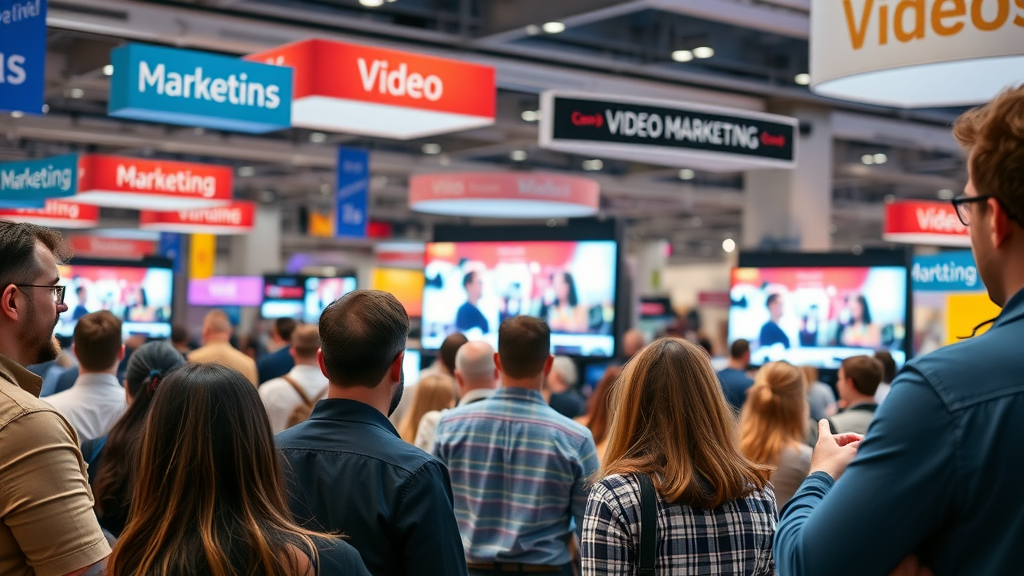
Video & Media Strategies

Write A Comment

*
*
Related Posts All Posts
10.25.2025

Unveiling the Secret of Video Marketing Strategies That Work

Here’s a statistic that might surprise you: by 2024, online video will make up more than 82% of all consumer internet traffic — up 15 times from 2017. If you’re not putting your brand front and center with video marketing strategies, you’re missing out on a modern marketing goldmine. This comprehensive guide reveals why video marketing dominates, how you can harness its power for your business, and action-ready strategies to become a leader in your industry. Startling Growth: Why Video Marketing Strategies Dominate Modern Marketing As technology advances and audience attention spans shorten, video marketing strategies have surged to the forefront of digital marketing campaigns . Not only do they drive engagement, but they also empower brands to communicate complex ideas quickly, create memorable narratives, and deeply connect with their target audiences. Businesses leveraging video content on social media platforms and their own channels have witnessed exponential growth in brand awareness and conversions compared to those relying on static content alone. This dominance is more than a passing trend—video view statistics continuously outpace other content forms. Videos work well across every media platform, from YouTube to Instagram or TikTok, and help businesses target audiences with precision. If your objective is to maximize visibility and elevate your marketing campaign, a robust video marketing strategy is absolutely essential. The Surprising Statistics Behind Video Marketing "90% of consumers say videos help them make buying decisions." - HubSpot Video marketing strategies result in higher user engagement and retention than text or images alone. Social media algorithms prioritize video content, amplifying reach organically. Videos can succinctly demonstrate product use, boost brand credibility, and nurture trust with potential customers. Unlocking the Power of a Robust Video Marketing Strategy A well-constructed video marketing strategy can catapult your business from obscurity to industry leader status. By strategically aligning your video marketing efforts with overarching business goals, you’ll ensure every campaign is measurable and impactful. The power of video lies in its ability to tell stories, demonstrate products or services, and inspire direct actions through compelling visuals and messaging. In today’s highly competitive market, adopting proven video marketing strategies is the smart path to staying ahead. When your video campaigns maximize reach across social media and other media platforms, you tap into broader audiences and foster genuine brand awareness. Your strategy isn’t just about producing content—it’s about using analytics to iterate and improve, ensuring every marketing effort supports your desired marketing goal. What You’ll Discover in These Video Marketing Strategies Effective video content development for different platforms and audiences Maximizing reach on social media and media platforms Aligning your video marketing strategy to core business objectives Converting viewers to customers with proven video campaign tactics Understanding Video Marketing Strategies: Definitions and Core Concepts To thrive in today’s digital landscape, it’s crucial to understand what sets video marketing strategies apart from traditional and digital marketing tactics. Unlike generic approaches, video marketing blends creative storytelling with targeted messaging, leveraging both emotion and analytics to drive results. The core concept is simple: use video content to engage, persuade, and convert your target audience through channels where they’re most active—whether that’s a specific social media platform, your website, or syndicated partner sites. Video campaigns also enable unique interactive experiences, such as instant feedback on social channels, clickable calls to action, and real-time engagement through live streams. With tools ranging from short-form TikTok videos to in-depth product explainers on YouTube, businesses now possess a versatile arsenal to reach potential customers throughout the entire sales funnel. What is a Video Marketing Strategy? A video marketing strategy is a planned approach to creating, distributing, and promoting video content with the goal of achieving specific marketing objectives—like increasing brand awareness, generating leads, or nurturing customer relationships. It involves a series of steps, including identifying your target audience, producing quality video tailored to their interests, choosing ideal platforms, and rigorously measuring results. By using video insights and analytics, marketers can optimize every video marketing campaign to boost effectiveness and maximize ROI. Comparing Video Marketing Strategies with Other Digital Marketing Approaches Approach Strengths Weaknesses Video Marketing High engagement, visual storytelling, memorable branding, easy to share Requires more resources for video production and editing Email Marketing Direct communication, measurable, personalization Lower engagement rates, message can be easily ignored Content Marketing (Blogs/Articles) SEO benefits, depth of information, flexible format Time-consuming to produce, less engaging than video content Social Media Image Posts Quick creation, good for brand visuals Less memorable, lower engagement than videos Essential Elements of Successful Video Marketing Developing effective video marketing strategies requires more than just recording and posting content. From the outset, you must define your marketing goal, thoroughly understand your target audience, and evaluate the strengths of different media platforms. A high-impact strategy incorporates quality video production, messaging that aligns with your brand, and optimized distribution methods that ensure visibility in search engines and social media feeds. Success also relies on leveraging audience feedback and campaign analytics. As you refine your approach, you’ll discover which video content types resonate most and which social media platforms provide the best ROI for your business. With ongoing assessment, your organization can maintain a steady stream of marketing campaigns that yield measurable growth. How to Structure a Winning Video Marketing Strategy Goal-setting: Define clear objectives for every video marketing campaign. Audience targeting: Segment your potential customers according to demographics, preferences, and behaviors. Video content concepts: Develop creative storylines and visuals that reflect your brand. Channel selection: Choose the best social media platforms and video hosts for your distribution. Video production techniques: Use professional filming, editing, and sound to elevate quality video content. Integrating Video Marketing in Overall Marketing Strategy The strongest marketing efforts are those where each video marketing campaign aligns with the overarching marketing strategy. This means using video as a powerful amplifier for product launches, content marketing calendars, and brand awareness campaigns. Video lets you break down complex topics, spotlight customer testimonials, and showcase your products or services in action in ways no other format can. To maximize impact, continuously synchronize your video production and distribution with other campaigns—such as blog publishing, email newsletters, or influencer outreach. Not only do you reinforce your message across multiple touchpoints, but you also boost your search engine presence and build genuine brand authority in your industry. Step-by-Step Guide to Building Effective Video Marketing Campaigns Launching a successful video marketing campaign involves a structured process that ensures every asset is optimized for maximum engagement and conversion. Start by mapping your target audience, then move through the production and distribution phases with purpose. Remember, each step should align with your overall marketing strategy and use analytics to inform decisions and measure results. Below, you’ll find an actionable framework for crafting video campaigns that stand out on any media platform. Mapping Your Target Audience for Video Marketing The cornerstone of any video marketing strategy is a clear understanding of your target audience. Before scripting or producing a single second of video content, take the time to profile your ideal customer: What are their pain points? Where do they spend the most time online? Which social media platforms do they frequent? Answers to these questions will shape everything from your video message to the distribution channel, ensuring your marketing campaigns resonate for stronger engagement and a higher conversion rate. Use analytics from past marketing campaigns and data from your video host or platforms like YouTube to identify successful audience demographics. Continually revisit these profiles as trends shift and new opportunities emerge—the most successful video marketing strategies anticipate changes in audience behavior and pivot accordingly. Designing and Producing Quality Video Content Narrative storytelling: Craft stories that are relatable, spark emotion, and connect viewers with your brand’s mission or solution. Visual branding: Consistent logos, colors, and styles across all content reinforce brand identity and foster trust. High quality production values: Invest in professional video production to ensure crisp visuals, clear audio, and smooth editing that keeps viewers watching. Selecting Ideal Social Media Platforms for Video Marketing Every social media platform offers unique strengths for distributing your video content. For example, Instagram Stories are ideal for short, spontaneous updates, while YouTube remains the gold standard for in-depth tutorials, explainer videos, and product reviews. Facebook and LinkedIn work well for B2B marketing campaigns and reaching targeted professional audiences. Analyze your target audience to determine where they’re most active, then tailor your content format and messaging for each channel. Monitor performance regularly and adjust distribution accordingly for consistently strong results—this flexibility is a core pillar of any successful video marketing strategy. Best Social Media Platforms for Different Types of Video Marketing Strategies Platform Best For Video Length YouTube Tutorials, explainer videos, product demos Long-form (2–15+ minutes) Instagram & Facebook Brand awareness, short explainer, live content Short-form (15–60 seconds), Live TikTok Viral marketing, youthful audience, trends Ultra-short (up to 3 minutes) LinkedIn B2B content, company branding, testimonials Short to mid-form (1–5 minutes) Types of Video Content: Choosing What Works for Your Brand Explainer Video Product Demo Customer Testimonial Behind-the-Scenes Live Streams Choosing the right types of video content is critical for a high-performing video marketing strategy. Explainer videos are ideal for breaking down complex topics, while product demos showcase features and benefits directly to potential customers. Customer testimonials build social proof, and behind-the-scenes clips humanize your brand. Live streams drive real-time audience engagement, especially when distributed across trending social media platforms or video hosts. Diversifying your video content ensures your message stays fresh and appealing to both new and returning viewers. By mixing and matching video formats, you’ll maximize your campaign’s reach and make a lasting impression across every media platform. When to Use Explainer Videos in Video Marketing Campaigns An explainer video is the perfect solution when you need to communicate intricate product features, services, or concepts in a short, engaging format. Use these videos at the beginning of your customer journey to capture attention and quickly educate potential customers about your unique value proposition. Explainer videos create clarity and drive conversions, making them essential for launching new products or entering new markets within your video marketing strategies. Distribution Tactics: Leveraging Social Media Platforms and Beyond Getting your video content seen by the right eyes is just as important as producing quality video. Multi-channel distribution—including organic posts, paid ads, influencer partnerships, and cross-promotion with other marketing campaigns—ensures that your message reaches broad, yet highly targeted audiences. Each media platform offers unique tools—such as hashtags, geotargeting, and direct links—to optimize discoverability. A data-informed approach lets you quickly identify where your content performs best and refocus your video marketing strategy accordingly. Remember, optimizing for mobile viewers and crafting platform-specific calls to action are both essential for maximizing engagement. Today, more than 75% of video views come from mobile devices—if your videos aren’t mobile-ready, you’re instantly losing out. Amplifying Video Marketing Strategies with Social Media Social media platforms remain the single most effective tool for spreading video content. Use platform features—like Instagram Reels, Facebook Live, or YouTube Shorts—to create unique content tailored to audience preferences. Regularly engage with viewers, reply to comments, and leverage stories and interactive elements to deepen connections. Social media is the launch pad that most successful video marketing campaigns use to gain viral traction. For best results, integrate your video marketing strategy across all media platforms simultaneously to magnify reach and create multiple opportunities for audience touchpoints throughout your campaign’s lifecycle. Maximizing Video Content Reach Across Multiple Media Platforms Cross-promotion techniques: Share your videos across your blog, email newsletters, partnerships, and relevant industry communities. Search engine optimization: Use descriptive titles, relevant keywords, and custom thumbnails to drive video visibility in search engines and on major video platforms. Influencer partnerships: Team up with well-known personalities for co-created content or sponsored campaigns to access wider audiences. Measuring Performance: Analytics for Video Marketing Strategies A data-driven approach is non-negotiable for modern video marketing. Tracking the performance of each video campaign via analytics provides the insight needed to continually improve. Key metrics—from video views and engagement rates to conversions and viewer retention—highlight what’s working and reveal pain points that need immediate attention. Analytics tools built into social media platforms and specialized video hosts place the data you need front and center, facilitating smart, evidence-based decisions for your next campaign. Regular performance reviews empower you to tweak content style, distribution tactics, and even your target audience profile for optimal results—helping you maximize your marketing strategy’s overall ROI. Tracking the Effectiveness of Each Video Marketing Campaign Key metrics: views, likes, comments, shares, click-throughs, conversions, retention rates Tools for analytics: YouTube Analytics, Facebook Insights, Google Analytics (for embedded video), Wistia, Vidyard Collecting and interpreting these metrics will help you make informed decisions, reveal audience preferences, and highlight opportunities for content improvement—ultimately giving you a competitive edge in video marketing. Improving ROI with Data-Driven Marketing Strategy Decisions An effective video marketing strategy is a dynamic process. Use initial data from video marketing campaigns to refine your approach—revise your creative messaging, optimize length, or re-target your ads to more receptive audiences. Small, consistent improvements based on hard numbers enhance performance over time and allow you to scale your marketing campaigns confidently. Common Pitfalls: Avoiding Mistakes in Video Marketing Low quality video production can damage your brand image and reduce viewer trust. Poor messaging alignment leads to confused audiences and lower conversions. Overlooking mobile optimization limits your reach to a rapidly growing segment of users. Ignoring a clear call to action means missing out on conversions even after capturing audience attention. Expert Quotes on Overcoming Video Marketing Challenges "Consistent quality and a clear CTA make or break your video marketing strategy." - Digital Marketing Pro Case Studies: Video Marketing Campaigns That Delivered Results Brand awareness via branded content: One startup ran a branded video series across YouTube and Instagram, boosting brand recall by over 60% in just six months. B2B explainer videos for conversion: A SaaS company introduced in-depth explainer videos on LinkedIn and YouTube, resulting in a 40% increase in demo signups and qualified leads. Creative marketing campaigns leveraging multiple social media platforms: An e-commerce brand synchronized video launches across Facebook Live, Instagram Stories, and TikTok to achieve record breaking engagement and sales. These cases underscore the immense potential of coordinated and data-driven video marketing strategies, regardless of industry or market size. Frequently Asked Questions About Video Marketing Strategies What is a Video Marketing Strategy? A video marketing strategy is a carefully devised plan for creating and sharing video content to achieve specific goals—such as growing brand awareness, increasing sales, or improving audience engagement. It covers everything from idea development and video production to content distribution, audience targeting, and performance analysis. What are the 4 marketing strategies? The classic four marketing strategies (often known as the "4 Ps") are Product, Price, Place, and Promotion. In video marketing, Promotion typically includes tactics such as video ads, organic video posts, influencer partnerships, and content optimization for social media and search engines. How do I market my video? To market your video successfully, define your target audience, select the most relevant media platforms (like YouTube, Facebook, LinkedIn, or TikTok), optimize your content with keywords and descriptions, schedule posts for peak times, and promote via ads or partnerships. Always include a clear call to action to guide viewers on their next step. What are the keys to using video marketing successfully? Success in video marketing comes from knowing your audience, producing high-quality video content, aligning videos with your overall marketing goals, optimizing for each social media platform, and using analytics to refine your campaigns. Never forget to include a persuasive call to action. Expert Advice: Keys to Long-Term Success in Video Marketing Continual analysis and improvement of each marketing campaign based on real data Embracing and adapting to new trends in video content and production formats Scaling your video marketing campaigns by investing in consistent, quality video production Action Steps: Elevate Your Video Marketing Strategies Today Evaluate your current marketing strategy for video content gaps and opportunities Identify the necessary resources and tools for effective, quality video production Experiment with different types of video content to discover what resonates with your target audience Analyze campaign outcomes with analytics and adjust strategy for ongoing improvement Always include a clear call to action in every video to drive conversions "Start where you are. Use what you have. Grow with every video campaign you launch." Summary of High-Impact Video Marketing Strategies for Immediate Implementation Know your target audience and what they want to see Align each piece of video content to your core marketing strategy Optimize for social media platforms and search engine visibility Measure everything—test, refine, and scale your marketing efforts Your Roadmap to Mastering Video Marketing Strategies: Start Today Begin with clear objectives, embrace quality production, and never stop refining your approach. Today’s best video marketing strategies start with action—and every new campaign is your opportunity to grow further. To deepen your understanding of effective video marketing strategies, consider exploring the following resources: “16 Video Marketing Strategies for 2025” : This article outlines key tactics such as authentic storytelling, enhancing video SEO, and utilizing user-generated content to boost engagement and reach. ( designrush.com ) “Video Marketing Strategy 2024: Engage and Convert” : This piece delves into measuring success through key metrics, the rise of interactive and shoppable videos, and the integration of AI in video creation. ( firework.com ) These resources offer valuable insights to refine your video marketing approach and achieve better results.

08.09.2025

Unveil the Secrets of Video Marketing Trends of 2025 Now

Startling Statistic: By 2025, over 85% of all internet traffic will come from video . Are you ready for the seismic marketing trend shift? As digital marketing rapidly evolves, video marketing trends 2025 are taking center stage—redefining the rules, empowering brands, and setting new expectations for marketers everywhere. In this guide, you’ll uncover the top video marketing trends for 2025, gain vital insights, and learn practical strategies to stay ahead in a video-first world. Startling Fact: Over 85% of all internet traffic will be video by 2025—are you ready for the seismic marketing trend shift? This article ranks and explains the most crucial video marketing trends 2025, equipping video marketers and digital strategists to excel. A New Era: Why Video Marketing Trends 2025 Will Reshape Digital Marketing The landscape of digital marketing is undergoing a dynamic transformation, and at the heart of this change lies a revolution: video marketing trends 2025 . As consumer attention spans shift and technology advances, video is now the most magnetic form of content—capturing audiences across platforms and devices. For digital marketers, keeping pace with these trends is no longer optional; it’s a necessity for brand relevance and campaign success. The data is clear: Top video marketing trends for 2025 indicate that marketers must focus on innovation and agility. Short-form content, AI-powered tools, and authentic engagement are now leading strategies to boost brand awareness and drive conversion rates. Video marketers leveraging these trends will see broader reach, improved engagement, and higher ROI than competitors still relying on old tactics. Let’s explore the 25 video marketing trends that will define digital marketing in 2025—and outline why you need to pay attention now. What Readers Will Learn About Video Marketing Trends 2025 The 25 essential video marketing trends for 2025 Strategies to leverage marketing trends for improved conversion rates Top tools, platforms, and AI advances transforming video content and digital marketing Expert insights to future-proof your marketing strategy Table: 2025 Video Marketing Trends at a Glance Trend Impact Level Description Recommended Action Short-Form Video High TikTok, Instagram Reels dominate Adopt vertical video formats AI-Driven Video Creation Very High AI tools for editing, voiceover Invest in AI tool integration User-Generated Content (UGC) High Authenticity drives engagement Inspire audience participation Interactive Video Content High Two-way viewer engagement Enable clickable choices, polls Personalized Video Campaigns Medium Targeted by user data Use segmentation & dynamic video Social Commerce Integration Medium Shop directly via video Use shoppable video ads 1. Short-Form Video Content Dominates Video Marketing Trends 2025 Why Vertical Video Matters More Than Ever Short, vertical video content on TikTok and Reels drives digital marketing success. Social media audiences engage more with marketing trends in vertical formats. Short-form video content is not just a fleeting trend—it's fundamentally reshaping how brands interact with audiences. On platforms like TikTok and Instagram Reels, short, snappy vertical videos grab attention and cater to mobile-first viewing habits. For video marketers, this means that prioritizing vertical video formats is essential. These short videos are easily consumable, highly shareable, and reach younger demographics who are the drivers of digital marketing. As social media continues to evolve, marketers find that investing in short-form and vertical video allows brands to participate in trending challenges, product demos, and more. This shift toward rapid, visually engaging content boosts brand awareness, encourages engagement, and sets the foundation for future video marketing trend innovations. The bottom line: if you’re not producing vertical video content, you’re missing out on massive audience potential. 2. AI-Driven Video Production & Editing: Top Video Marketing Trend of 2025 Harnessing AI Tools for Effortless Video Creation AI tools enhance video production, streamline editing, and enable scale for marketers. Explore how video marketers automate processes and increase conversion rates. The rise of AI tools marks a remarkable milestone in video creation for 2025. AI-driven video production platforms are reshaping the video marketing landscape by offering automated editing, realistic voiceovers, and even script generation. By leveraging these powerful ai tool resources, marketers reduce hours of manual work, maintain brand consistency, and scale their output for multi-platform distribution. AI tools not only save time—they optimize for better conversion rates by delivering tailored content based on audience data and interaction. As more video marketers integrate AI-driven processes, the efficiency of video content creation and the sophistication of video ad campaigns climb drastically. Forward-thinking digital marketing teams who adapt early to these AI tools are poised to lead in both innovation and measurable results. 3. User-Generated Content Powers Authenticity in Video Marketing Building Trust through Generated Content Authentic video content from fans and customers becomes a core marketing strategy tradition. In the era of information overload, user-generated content (UGC) has emerged as a critical factor for brand authenticity and consumer trust. When customers and fans become video creators themselves—sharing unfiltered testimonials, product demos, and experience clips—brands gain organic reach and credibility that no polished advertisement can replicate. This marketing trend not only builds community but also fuels lead gen through genuine peer-generated endorsements. Successful video marketing strategies now incorporate contests, hashtags, and testimonials as part of their video content, turning customers into advocates. Video marketers harness this generated content to expand their audiences and deepen emotional resonance with potential buyers. By making UGC the backbone of campaigns, brands show real-world impact, encourage dialogue, and seize one of the most influential video marketing trends 2025. 4. Social Media Video Marketing Trends: Platform-Specific Insights Choosing the Right Social Platform for Video Marketers in 2025 Social media ecosystems force marketers to evolve their video strategies. Explore which platforms best fit which marketing strategies. Not all social media platforms are equal when it comes to video marketing. Savvy video marketers analyze where their audiences spend time and how they consume content. For example, younger users flock to TikTok for short, viral challenges, while professionals gravitate towards LinkedIn for thought leadership videos and industry insights. Instagram and Facebook still dominate for broad reach but require fresh, engaging vertical video content to stand out among the noise. The key to staying on top of digital marketing trends is understanding each social media platform’s unique algorithms and audience preferences. Marketers who diversify content—customizing video format, length, and style for each channel—experience higher engagement and more effective brand awareness. Optimizing your distribution by matching the right platform with the right type of video content ensures you’re not just creating videos, but strategically leveraging every available media platform. 5. Interactive Video Content: Elevating Engagement Rates How Interactive Video Content Drives Conversion Rates Clickable, shoppable, and gamified videos drive user involvement in marketing campaigns. The rise of interactive video content marks a shift from passive viewing to active participation. Shoppable video ads, clickable choices within videos, polling features, and gamified challenges allow audiences to shape their experience, making them partners in your brand story instead of mere observers. This marketing trend brings users deeper into the campaign, resulting in improved engagement metrics and increased conversion rate potential. Brands that incorporate interactive elements into video content benefit from real-time feedback, valuable data insights, and stronger brand loyalty. Interactive videos are especially effective on social platforms where immediacy and two-way conversation are prized. Those who innovate with click-through experiences, quizzes, and shopping integration will set their digital marketing apart in 2025. 6. Personalization: Data-Driven Video Marketing Trends for 2025 Leveraging Personalization for Enhanced Marketing Strategy Success Personalized video campaigns deliver higher conversion rates and customer satisfaction. Generic messaging is out—personalization is in. Leveraging user data to create personalized video content is becoming a standard marketing strategy for leading brands. Whether it’s using the viewer’s name, showing product recommendations based on behavior, or adapting video ads to different segments, data-driven approaches are proven to boost both engagement and conversion rates. Personalization strategies in 2025 will include dynamically generated content, localized messaging, and even AI-edited scenes to fit individual preferences. As AI tools evolve, they help marketers scale personalization efforts effectively, maintaining relevance across diverse social platforms and audience types. This sophisticated targeting increases the likelihood of your audience not just watching, but acting on your video marketing trend initiatives. 7. Social Commerce: Shoppable Video Ads Integration Video Ads Redefining the Purchase Journey on Social Media Shoppable videos on social media blend content, ad, and e-commerce, setting a huge digital marketing trend. Social commerce continues to rise as platforms integrate e-commerce features directly into video content. Shoppable videos allow users to discover products, get real-time product info, and purchase—all without leaving their favorite social platform or video stream. The result is a frictionless journey from discovery to checkout, raising the bar for what video marketing can achieve. Marketers using shoppable video ads see higher engagement and improved conversion rates compared to traditional ad formats. The “see it, want it, buy it” mentality, backed by seamless shopping experiences, caters to on-the-go users who demand efficiency. As social commerce becomes standard, mastering shoppable video content is crucial to capitalizing on this top video marketing trend. 8. Video SEO: Optimizing Video Content for Digital Marketing Trends Key Strategies for Improving Video Content Searchability Focus on video SEO essentials: transcripts, Tags, and AI-enhanced metadata. Optimizing your video content for search engines is more important than ever. As video dominates digital marketing, competition for attention grows fierce. Video SEO best practices—like adding detailed transcripts, relevant tags, and AI-enhanced metadata—ensure that your videos are discoverable both on social platforms and in search results. Search algorithms now prioritize high-quality, accessible video content that delivers value and relevance. Marketers who invest in robust video SEO strategies gain greater visibility, generate more organic traffic, and outperform competitors still treating video as an afterthought. Stay ahead by making video SEO an integral part of your marketing trend playbook in 2025. 9. Explainer Videos and Educational Content in Marketing Strategy Why Explainer Videos Remain a Video Marketing Trend for 2025 Explainer and how-to videos support learning-driven video content marketing. Explainer videos have solidified their role as a staple in digital marketing strategies. These concise, informative videos simplify complex topics, demonstrate product value, and guide users through decision-making processes. As consumers continue to seek easy-to-digest information, explainer videos maintain their popularity as a form content that supports both awareness and conversions. Educational how-to content positions brands as helpful resources, driving organic engagement and fostering trust. Marketers who regularly publish explainer videos notice increased lead gen, improved customer understanding, and higher satisfaction. The emphasis on learning-driven content is set to grow, reinforcing explainer videos as a top video marketing trend for 2025. 10. Live Streaming: Real-Time Engagement and Conversion Rates The Power of Live Video Creation for Brands and Influencers Brands reach audiences with instant engagement and authentic marketing communication. Live streaming has become indispensable for brands and influencers aiming for genuine, real-time audience interaction. Unlike pre-recorded content, live videos offer immediacy, transparency, and the opportunity to address viewers’ questions as they arise. This results in deeper connections and rapid feedback loops, often boosting both brand awareness and immediate conversion rates. Incorporating live Q&A sessions, product launches, or behind-the-scenes tours, video marketers capitalize on the trend towards spontaneous, authentic communication. As media platforms further enhance live streaming tools, expect this video marketing trend to create even more opportunities for brands to amplify their message and cultivate loyal communities. 11. Multi-Channel Distribution: Maximizing Content Reach Utilizing Multiple Social Platforms in Video Marketing Strategy Distribute video content across platforms for greater impact and engagement. With content fragmentation across multiple media platforms, a single-channel marketing strategy no longer suffices. Digital marketers see greater ROI by adapting and distributing their video content across several social media platforms simultaneously. Repurposing and tailoring content for YouTube, Instagram, LinkedIn, TikTok, and emerging networks is key to maximizing reach and harnessing each platform's algorithm for higher visibility. A multi-channel approach ensures brand messages cater to varied audience segments and viewing habits. By tracking performance analytics for each social platform, marketers can swiftly refine strategies, doubling down on what works and pivoting away from underperforming content—an important aspect of today’s digital marketing trends. 12. Silence-Friendly Videos: Accessibility and Inclusivity Captioning and Visual Storytelling: New Marketing Trends in Video Content Ensure accessibility and wider audience reach with captions and well-crafted visuals. As remote and mobile viewing rises, silence-friendly videos have surged in popularity. Whether it’s a user scrolling through social feeds in a public space or someone with hearing impairments, captions, subtitles, and visual storytelling overcome sound barriers. Incorporating these elements widens your audience and demonstrates your brand’s commitment to inclusivity—both critical signals in modern digital marketing. Brands leading this trend make videos understandable even without audio, using animated captions and impactful visuals. By ensuring accessibility, video marketers not only boost engagement but also comply with evolving accessibility standards, ensuring their video marketing strategies are fully inclusive. 13. Mobile-First Video Content: A 2025 Imperative Optimizing Video Production for Mobile-First Audiences Vertical video and mobile-responsive editing vital for next-gen digital marketing. The dominance of mobile consumption means that every aspect of video production—from filming to editing—must prioritize the mobile experience. Vertical video continues to surge as smartphone users crave content optimized for their screens. This shift is particularly evident on social platforms like TikTok, Instagram, and Snapchat, where vertical scrolling reigns supreme. Marketers developing mobile-first video content enjoy longer watch times and richer engagement metrics. By using responsive design principles and keeping visuals clear regardless of device, digital marketing strategies can meet audiences exactly where they are—on mobile—ensuring every message lands effectively. 14. Video Analytics: Data-Driven Decision Making for Marketers How Smart Analytics Fuel Video Marketing Trends 2025 Use advanced analytics tools to refine video content and marketing strategies. The best digital marketers rely on smart analytics to make data-driven decisions. Advanced video analytics platforms track everything from viewer retention to click-through rates, offering granular insights that help optimize every stage of the customer journey. As competition intensifies, these analytics guide the creation, distribution, and improvement of each video marketing trend. By leveraging detailed performance metrics, teams can refine content for specific audience segments, calculate true ROI, and identify which trends drive the most engagement or conversions. Analytics equip marketers with the knowledge to iterate quickly, ensuring sustained marketing success. 15. Video Storytelling: Brand Voice and Emotional Impact Authentic Storytelling as a Key Marketing Trend for 2025 Emotional connections build brands and boost marketing campaign results. Data and strategy alone aren’t enough to propel brands forward—storytelling is the heartbeat of exceptional video marketing. In 2025, authentic narratives, personal journeys, and brand values woven into videos resonate powerfully with consumers. This emotional resonance is a core marketing trend, setting brands apart and fostering lasting relationships. Compelling stories transform passive viewers into active participants and advocates. As brands strive to humanize their videos and inspire audiences, storytelling becomes a cornerstone of any modern video marketing strategy—a proven driver of loyalty, advocacy, and viral reach. 16. AR & VR Video Content: Immersive Digital Marketing Experiences Emerging Virtual Video Formats in Marketing AR/VR enhance user experience, setting new standards in digital marketing innovation. Augmented Reality (AR) and Virtual Reality (VR) are revolutionizing the way brands engage with audiences. By integrating AR/VR video content, marketers create immersive experiences where viewers can interact with products, explore environments, or participate in virtual events. This leap from passive to participatory viewing raises the bar for emotional engagement and memorability. These technologies enable entirely new video marketing trends—virtual try-ons, 3D product explorations, and branded worlds. As AR/VR hardware becomes more widespread, brands that pioneer virtual content formats will capture the fascination of digitally-savvy consumers and gain a competitive edge. 17. Ephemeral Content: Temporary Videos for Gaining Instant Attention The Psychology Behind Disappearing Video Content Short-lived videos tap into FOMO, increasing marketing trend effectiveness. Disappearing content—like Instagram Stories and Snapchat Snaps—promotes urgency through temporary availability. Ephemeral videos leverage the “fear of missing out” (FOMO), driving more immediate views and interactions. Brands utilize this trend to offer exclusive deals, limited previews, or behind-the-scenes glimpses, making followers feel part of an inner circle. This marketing trend boosts engagement by encouraging viewers to check in often and stay attentive to updates. By balancing ephemeral and evergreen video content, marketers can maximize both reach and relationship-building in their overall video marketing strategy. 18. Influencer Partnerships: Collaboration in Video Marketing 2025 Leveraging Influencer-Driven Video Content for Maximum Reach Influencer collaborations drive engagement and expand audience for brands. Partnering with influencers remains a game-changer for expanding reach and authenticity in video marketing. Influencers act as trusted conduits, bringing highly engaged niche audiences to branded video content. These partnerships often result in content with a genuine tone, boosting both brand awareness and conversions. Marketers that co-create with relevant influencers—whether for product demos, tutorials, or social challenges—capture organic reach and credibility that are hard to replicate through brand-owned channels alone. In 2025, influencer partnerships are evolving to become more strategic, data-driven, and focused on long-term relationship building. 19. Sustainability & Ethics: Values-Based Video Marketing Trends Eco-Conscious Production as a Marketing Strategy Communicate sustainability efforts via video content to build trust and loyalty. Ethical marketing has moved from a “nice to have” to a must-have. Brands now showcase their efforts towards sustainability, inclusivity, and ethical practices through video content. Communicating these values not only positions brands as responsible industry leaders but also builds trust and loyalty among increasingly conscious consumers. Practices like green production, reducing carbon footprints, and transparent messaging are key aspects of this evolving marketing trend. Brands incorporating these elements signal genuine commitment and stand out to a generation that demands values-driven engagement. 20. Repurposing Content: Maximizing ROI from Video Marketing How to Repurpose Video Content for All Marketing Platforms Transform long-form content into short clips, stories, and teasers for omnichannel impact. Getting the most out of existing assets is a core tenet of modern video marketing. Repurposing takes a single, well-produced video and adapts it for various platforms—breaking it into short-form pieces, stories, teasers, or infographics. This strategy maximizes exposure, supports multi-channel distribution, and drives higher overall ROI. Marketers who repurpose content effectively ensure consistency of message while tailoring video format and style to meet the unique demands of each media platform. In a fast-moving digital landscape, this trend allows brands to stay agile and maintain a steady stream of high-quality video content. 21. Video Podcasts: A Hybrid Marketing Trend for 2025 Visual Podcasts as a Video Marketing Content Revolution Podcasting with visuals drives deeper audience connections and brand authority. Video podcasts merge the intimacy of audio with the visual appeal needed for stronger connection and attention. Brands leverage this hybrid format for interviews, thought leadership, and niche community engagement, offering subscribers both insight and a face-to-face experience. As more platforms introduce video podcasting tools, expect this trend to extend the lifecycle and shareability of long-form content. Video marketers who embrace the format will build greater authority and foster communities anchored in authentic, recurring interactions. 22. Community Building: Niche Video Content for Loyal Audiences Fostering Engagement through Targeted Video Content Community-based marketing trends use video to drive ongoing participation. Niche, interest-based communities are stronger than ever. Brands use targeted video content—like private livestreams, member-only tutorials, and exclusive interviews—to cultivate deeper audience loyalty and participation. Video marketing trend strategies centered on community offer the personal touch and ongoing value that drive retention and advocacy. Harnessing these communities, marketers can crowdsource video ideas, spotlight top contributors, and provide interactive experiences unavailable elsewhere. This not only reinforces the brand’s authority but ensures ongoing engagement in an increasingly competitive landscape. 23. Globalization: Localized Video Creation in Diverse Markets Adapting Video Marketing for International and Local Audiences Localization and subtitling help brands expand globally and locally. To reach global audiences, brands adapt video content with localized messaging, subtitles, and culturally attuned storytelling. This trend is not just about translation—it’s about resonating with local customs and consumer preferences, allowing international marketing strategies to flourish in every market. By employing subtitling and adaptive creative, marketers both expand their reach and demonstrate respect for diverse audiences. As competition heats up, those integrating localization as a core marketing trend will set the pace for global growth in 2025. 24. Transparent Analytics: Building Trust in Video Marketing Ethical Data Use as a Marketing Trend Share transparent video metrics to build credibility with your audience. Today’s consumers value transparency as much as entertainment or product quality. Brands sharing video viewership stats, engagement rates, and data privacy policies empower audiences and foster credibility. This ethical approach builds authentic trust and positions the brand as a reliable source in the crowded digital marketplace. As privacy regulations tighten, clear communication around analytics and data use sets trustworthy brands apart. Marketers who lead with transparency will see greater customer loyalty in the evolving world of video marketing trends 2025. 25. The Rise of Video-Only Social Platforms in 2025 Futureproofing with Purely Video-Based Marketing Strategy Embrace trends like YouTube Shorts and new video-focused networks. The surge in popularity of video-only platforms like YouTube Shorts and emerging networks spotlights the future of content consumption. These platforms provide marketers with highly engaged, video-centric audiences ready to interact and share, necessitating new strategies focused solely on video-based storytelling. Brands who invest early in video-only spaces gain a first-mover advantage, learning what types of content resonate, how audiences behave, and which creative strategies eclipse traditional text-based channels. This will further solidify video marketing as the backbone of all future digital marketing efforts. "By 2025, organizations not harnessing video marketing trends will fall behind those that do." – Industry Expert People Also Ask About Video Marketing Trends 2025 What are the market trends in 2025? The biggest market trends in 2025 include the dominance of video content, the rise of AI in content creation, increased short-form video popularity, and the seamless fusion of e-commerce with video marketing. What is the future of digital marketing in 2025? Digital marketing in 2025 is expected to be video-centric, powered by automation and AI, hyper-personalized, and deeply integrated across social and e-commerce platforms. What is the marketing focus in 2025? In 2025, the marketing focus will center on engaging consumers through authentic, personalized video content, leveraging social media video trends, and ethical data use. What will marketing look like in the next 5 years? Marketing will be visual-first, immersive, data-driven, and powered by emerging technology such as AR/VR and AI, placing video content at the forefront. Top Tools, AI Innovations, and Platforms for 2025 Video Marketing Success List of best AI tools, video creation platforms, and video analytics essential for marketers. Best AI Tools: Lumen5 (automated video creator), Synthesia (AI-powered avatars), Magisto (AI video editing) Video Creation Platforms: Adobe Premiere Pro, Final Cut Pro, Canva Video Suite Analytics: Google Analytics for Video, Vidyard, Wistia Analytics Live Streaming & Social: StreamYard, TikTok Live, YouTube Shorts, Instagram Live Personalization: Vidyard Personalize, Idomoo Must-Know Tips for Leveraging Video Marketing Trends 2025 Start early: Monitor marketing trends and emerging platforms Invest in AI tool integration for content creation Experiment with various social platforms and vertical video formats Focus on user-generated, authentic content Prioritize video SEO and accessibility Frequently Asked Questions About Video Marketing Trends 2025 What are the benefits of video marketing for brands in 2025? Video marketing builds brand awareness, drives higher engagement, improves conversion rates, and enables authentic communication with targeted audiences, solidifying a brand’s relevance in the digital age. Where should businesses invest their video marketing budgets in 2025? Budgets should prioritize cutting-edge AI tools, content personalization, short-form and interactive videos, shoppable ad formats, and analytics to track ROI across platforms. How does AI impact video marketing effectiveness? AI enhances every stage of video marketing—from automated editing and smart script generation to dynamic personalization and advanced data analytics—helping marketers scale, experiment, and optimize content for higher engagement. What are some pitfalls to avoid with 2025 video marketing trends? Avoid over-automation that loses authenticity, underestimating the importance of mobile-first and accessibility, neglecting video SEO, and failing to update strategies according to shifting social media algorithms. Summary: Action Steps for Capitalizing on Video Marketing Trends 2025 Focus on short-form and vertical video for mobile-first platforms Integrate AI-powered video creation tools for scale and personalization Balance user-generated and branded content Optimize all video content for SEO and accessibility Embrace transparency, sustainability, and ethical marketing "Embracing video marketing trends 2025 is not just about following the crowd—it’s about leading the future of digital marketing." Elevate Your Marketing Strategy: Harness the Power of Video Marketing Trends 2025 Now Stay ahead of the curve by adopting innovative video marketing trends 2025. Subscribe for updates, download our 2025 guide, or book a consultation to transform your video marketing strategy. To deepen your understanding of the evolving landscape of video marketing in 2025, consider exploring the following authoritative resources: “10 Video Marketing Trends That Will Dominate 2025” ( talecast.ai ) This article provides a comprehensive overview of emerging trends, including AI-powered personalization, shoppable videos, and the integration of virtual and augmented reality, offering actionable insights for marketers aiming to stay ahead. “2025 Video Marketing Trends” ( maceymedia.com ) This piece delves into key developments such as AI-driven video creation, the dominance of short-form content, and the rise of interactive and shoppable videos, equipping marketers with strategies to enhance engagement and conversion rates. By engaging with these resources, you’ll gain valuable perspectives and practical strategies to effectively navigate and leverage the dynamic video marketing trends of 2025.

08.05.2025

Create Engaging Video Content Your Audience Can't Ignore

Did you know that users retain 95% of a message when they watch it in a video compared to just 10% when reading it in text? In today’s digital landscape, mastering the art of engaging video content is not just an advantage—it's a necessity for effective communication and business growth. What you’ll gain from this guide on engaging video content: Discover proven strategies to produce captivating videos Learn about different video content types and their impact on social media Explore the latest in content strategy for maximum viewer retention Get actionable tips and visual best practices to boost engagement Understanding Engaging Video Content: Definition, Best Practices, and Trends Engaging video content is any video that compels viewers to stop scrolling, pay attention, and interact—whether that’s by sharing, commenting, or taking action. In an age where the average online attention span is less than eight seconds, video content has surged as the king of communication on social media and beyond. The prevalence of engaging video content has grown rapidly with the rise of media platforms like YouTube, Instagram, and TikTok. Different content types—such as short video clips, explainer video segments, and animated video storytelling—have all shown unique effectiveness in capturing audience attention. Short video dominates platforms with quick-consumption habits like TikTok and Instagram Reels, while explainer video and animated video are powerful tools on YouTube and LinkedIn for educating or simplifying complex topics. Engaging videos in each category are characterized by high-impact visual elements , clear messaging, and relevance to the target audience , making them a core part of any content marketing or content strategy. Comparison of Popular Video Content Types: Engagement Rates Across Social Media Platforms Content Type Engagement Rate (TikTok) Engagement Rate (Instagram Reels) Engagement Rate (YouTube) Engagement Rate (LinkedIn) Short Video 17% 11% 6% 3% Explainer Video 11% 9% 14% 11% Animated Video 10% 8% 13% 9% User-Generated Content 15% 12% 5% 2% The Psychology of Engagement: What Makes Video Content Compelling? Key Elements That Drive Engaging Video Content: Emotional Triggers, Storytelling, and Visual Elements At the heart of every engaging video content strategy lie three crucial drivers— emotional triggers, storytelling , and visual elements . Emotional resonance is what makes viewers not just watch, but remember, relate, and take action. Storytelling connects your message to real people, enabling your brand or message to build trust and create video content that genuinely captivates your audience. "People don’t buy what you do, they buy why you do it." — Simon Sinek on effective video marketing Visual elements—such as vibrant colors, on-screen text, b-roll, and motion graphics—transform basic footage into attention-grabbing visual stories, especially in short video and animated video formats. By combining high-quality visuals and strong narratives with authenticity, you create engaging videos that perform well across every social media platform. Powerful Visuals: Dynamic cuts, branded overlays, and strong graphics Storytelling Techniques: Relatable narratives, real people, and problem-solving journeys Emotional Triggers: Humor, empathy, surprise, or inspiration that activate audience response Identifying Your Target Audience for Engaging Video Content Success Strategies for Analyzing Audience Needs: Insights for Social Media and Media Platforms A core part of a powerful content strategy is knowing your target audience with precision. Start by analyzing platform analytics (like YouTube Insights, Instagram Analytics, or TikTok For Business) to reveal demographic data such as age, location, viewing habits, and device preferences. Additionally, social listening and tracking trending topics on each media platform allow you to understand what content type resonates best—be it explainer videos, engaging videos, or user stories. Beyond numbers, survey your existing followers or customers to gather qualitative insights. What pain points or aspirations do they want addressed? Tailoring engaging video content to match these needs not only increases relevance but also naturally boosts social media engagement rates. Remember, understanding the nuances of platforms helps you adapt content and visual elements for each, whether it’s a product showcase on YouTube, a brand story on Instagram, or a quick tip on TikTok. Key Data Points: Demographics: Age, gender, location Behavior: Watch time, social shares, clicks Preferences: Content type, length, platform Feedback: Comments, DMs, polls Developing a Winning Content Strategy for Engaging Video Content Aligning Content Type with Marketing Campaign Goals No two marketing campaigns or brands are identical, which makes aligning content type (short video, explainer video, animated video, or company culture highlights) with campaign objectives essential for success. For brand visibility or awareness, consider punchy, shareable short videos tailored for high sharing potential on TikTok or Instagram. When launching a new product or educating your audience, explainer video and animated video formats excel by breaking down complex ideas into engaging, relatable messages. Company culture highlights work well for employer branding and recruitment-focused campaigns on LinkedIn or YouTube, showcasing real people and behind-the-scenes stories. To maximize the effectiveness of every engaging video, coordinate your video marketing goals with intended audience actions—whether it’s encouraging repeat engagement, data capture, or direct conversion. Optimizing Engaging Videos for Social Media Platforms Every social media platform comes with its own set of best practices and audience behaviors. To give your engaging video content maximum reach, tailor your video formats, dimensions, and captions to the specifics of each channel. For example, vertical formats rule on TikTok and Instagram Reels, while YouTube favors horizontal, longer-form content. Use platform-specific features like stickers, polls, or hashtags to encourage participation and sharing. Tip: Front-load your main message or value proposition in the first five seconds to capture attention and reduce bounce-off, especially on platforms with short attention spans. Consistently analyze performance data, experimenting with posting times, thumbnails, and video lengths to fine-tune your content for each media platform. Crafting Engaging Video Content: Step-by-Step Production Guide Pre-Production: Ideation, Scripting, and Storyboarding Best Practices for Engaging Video Content Successful engaging video content starts with solid groundwork. The pre-production stage is about molding your creative inspiration into a workable roadmap for production and editing. Begin with clear objectives—define the core message and decide on the best-suited content type. A short video works wonders for quick brand promos, whereas an explainer video may need more in-depth scripting. Ideation: Brainstorm unique angles for your topic, guided by research into trending content and your target audience’s pain points or aspirations. Scripting: Draft a crisp, conversational script. Use hooks within the first few seconds to capture attention, and always end with a clear call-to-action (CTA) to inspire further engagement. Storyboarding: Visualize each scene before filming. Storyboards help organize shots, plan for visual elements, and ensure your message stays focused and on-brand throughout production. Production: Shooting Engaging Videos with Visual Elements and High Production Value Production is where your ideas and scripts come to life. Invest in good lighting, audio equipment, and camera stabilization to ensure your video content meets professional standards and stands out in crowded social media feeds. Incorporate visual elements such as dynamic transitions, b-roll, and branded motion graphics to make your video content visually appealing and memorable. Don’t underestimate the power of authenticity: Audiences respond best to real people, genuine reactions, and relatable stories—especially when shooting company culture highlights or behind-the-scenes content types. Production Checklist: Check all gear (camera, mic, lights) for functionality Set up clear backgrounds with minimal distractions Test lighting and sound for clarity Capture multiple takes to provide editing options Engage your on-screen talent with direction for energy and authenticity Post-Production: Editing and Enhancing Your Engaging Video Marketing Assets Editing is where your footage becomes truly “engaging video content.” Trim unnecessary pauses, enhance color and audio quality, and integrate elements like animated text, infographics, and subtitles to boost retention—critical on social media platforms that autoplay videos without sound. Each media platform has its quirks: For Reels, keep it under 60 seconds with punchy transitions; on YouTube, chapters and timestamps help guide longer-form content. Best Practices: Reorder scenes to lead with impact Use branded color palettes for recognition Optimize sound for mobile viewing Add platform-specific CTAs (“Subscribe”, “Swipe Up”, “Share”) Advanced Tactics: Using Explainer Video and Animated Video for Maximum Audience Impact Examples of Explainer Video and Animated Video in Successful Video Marketing Campaigns Some of the most successful video marketing efforts in recent years have leveraged explainer video and animated video to break through digital noise. For example, Dropbox’s minimalist explainer video helped it convert thousands of users by simply showing “how it works” in under two minutes. Similarly, Dollar Shave Club’s humorous, fast-paced short video redefined DTC branding, while Grammarly’s animated videos have excelled at simplifying complex services for millions of social media platform users worldwide. Explainer Videos: Dropbox, Grammarly, HubSpot Academy’s quick guides Animated Videos: Slack “What is Slack?”, Mint.com’s financial explainer series, Dollar Shave Club commercials Best Practices for Visual Elements and Animation in Engaging Videos To boost engagement and retention , ensure every piece of animated or explainer video brings clarity rather than adding clutter. Use visual cues—arrows, icons, branded mascots—to guide viewers naturally through your story. Limit text on screen to highlight only essential points and use transitions to keep information flowing smoothly. Audio and music choices should match the vibe of your story and your target audience. Keep animation sequences short and clear Choose bright, brand-appropriate color palettes Integrate your logo or tagline subtly to reinforce brand recognition Include calls to action within and at the end of your video content for maximum impact on social media platforms Measuring Engagement and Optimizing Video Content Performance To determine the real impact of your engaging video content , track relevant video marketing metrics at every stage: Watch Time: Total minutes watched—higher watch time signals strong engagement Audience Retention: Measures how much of your video viewers watched before dropping off Social Shares: Indicates content resonance and organic reach Conversions: Clicks to landing pages, downloads, or product purchases Continuous improvement is paramount. Use analytics tools—like YouTube Analytics, Facebook Insights, or TikTok Analytics—to monitor what content type, length, and visual elements perform best with your target audience. Apply these findings to constantly optimize future content, ensuring each new engaging video is even more effective than the last. People Also Ask: Expert Answers on Engaging Video Content What is engaging video content? Engaging video content refers to videos that capture viewers’ attention, maintain interest, and prompt audience action by utilizing compelling storytelling, striking visuals, and relevance to the target audience. What type of content is most engaging? Short video formats, tutorials, user-generated content, explainer videos, and content tailored for social media platforms are typically the most engaging due to their immediate relevance and shareability. What are the 4 E's of great video content? The 4 E’s are: Engage (capture interest), Educate (provide value), Entertain (keep it enjoyable), and Empower (encourage action or inspiration). How to create interesting video content? Understand your target audience, leverage high-impact visual elements, tell authentic stories, and optimize production value and content strategy for each media platform. Frequently Asked Questions: Creating and Promoting Engaging Video Content Can any business benefit from engaging video content? Yes, nearly every business or organization can build trust , improve awareness, or drive conversions through a strategic approach to engaging video content, provided it aligns with audience needs. How often should you post engaging videos on social media? Consistency is key; aim for at least 1-2 engaging videos per week on your target social media platforms to stay top-of-mind without overwhelming your audience. What are key mistakes to avoid when making video content? Avoid neglecting audience research, producing low-quality visuals or audio, lacking a clear message, or failing to optimize for each social media platform’s requirements. Which visual elements matter most in engaging video content? Dynamic motion graphics, consistent branding, on-screen text, and authentic expressions are crucial visual elements for engaging video content. How to test different content types for maximum engagement? Run A/B tests, analyze engagement metrics, and gather audience feedback to determine which content type—short video, explainer video, or animated video—resonates most on each media platform. Key Takeaways for Producing Compelling, Engaging Video Content Successful engaging video content is crafted from understanding your audience, aligning content type to campaign goals, and leveraging strong storytelling, high production value, and compelling visual elements. Measure performance and iterate constantly to dominate across all social media and media platforms. Begin Crafting Engaging Video Content to Captivate and Convert Your Audience Don’t let your content blend into the background. Apply these expert-backed strategies to design engaging video content that stands out and drives real results—start planning your next video marketing campaign today! To further enhance your understanding of creating compelling video content, consider exploring the following resources: “8 Tips for Creating Engaging Video Content” : This article offers practical advice on storytelling, using high-quality visuals, and incorporating B-roll to maintain viewer interest. ( visla.us ) “Mastering Video Content: Top Strategies For Engagement” : This piece delves into adding value through your videos, injecting personality, and focusing on production quality to captivate your audience. ( channel-technologies.com ) By integrating these insights, you can craft videos that not only capture attention but also drive meaningful engagement.

Terms of Service

Privacy Policy

Core Modal Title

Sorry, no results found

You Might Find These Articles Interesting

T
Please Check Your Email
We Will Be Following Up Shortly
*
*
*