


Did you know that only 2% of cold leads convert without nurturing? For most businesses, the real challenge isn't getting eyes on your website—it's turning fleeting attention from cold prospects into lasting, qualified leads
Lead Generation Strategies: The Startling Truth About Cold Traffic

- Did you know that only 2% of cold leads convert without nurturing? Unlock lead generation strategies that move the needle and turn cold prospects into quality leads.
"The biggest challenge in lead gen is not getting attention, but turning attention into genuine prospects."
Cold traffic—visitors who have no prior relationship with your brand—represents both the greatest opportunity and the hardest puzzle in digital marketing. Without targeted generation strategies, even a surge in website traffic may yield few quality leads. That's why successful organizations invest in lead generation strategies designed to systematically guide cold prospects through tailored journeys, capturing interest, contact details, and finally, conversions. These lead gen tactics, when executed correctly, empower your sales team with a steady stream of quality leads instead of leaving results up to chance. Let’s dive into how you can make this transformation, starting with what you’ll learn in this comprehensive guide.
What You'll Learn About Lead Generation Strategies
- Essential elements of successful lead generation strategies
- How generation strategies move cold traffic to quality leads
- Tools, tactics, and best practices for lead gen
- The role of sales teams and marketing efforts
- Real-life examples and expert insights
By the end of this guide, you'll not only understand the mechanics behind effective lead generation strategies, but you'll also have a roadmap you can apply immediately—regardless of your industry or the size of your business.
Understanding Lead Generation Strategies: Foundations for Success
What are Lead Generation Strategies?
- Definition and scope of lead generation strategies for businesses
- How generation strategies attract and convert cold traffic
- Comparing different generation strategies: inbound vs outbound
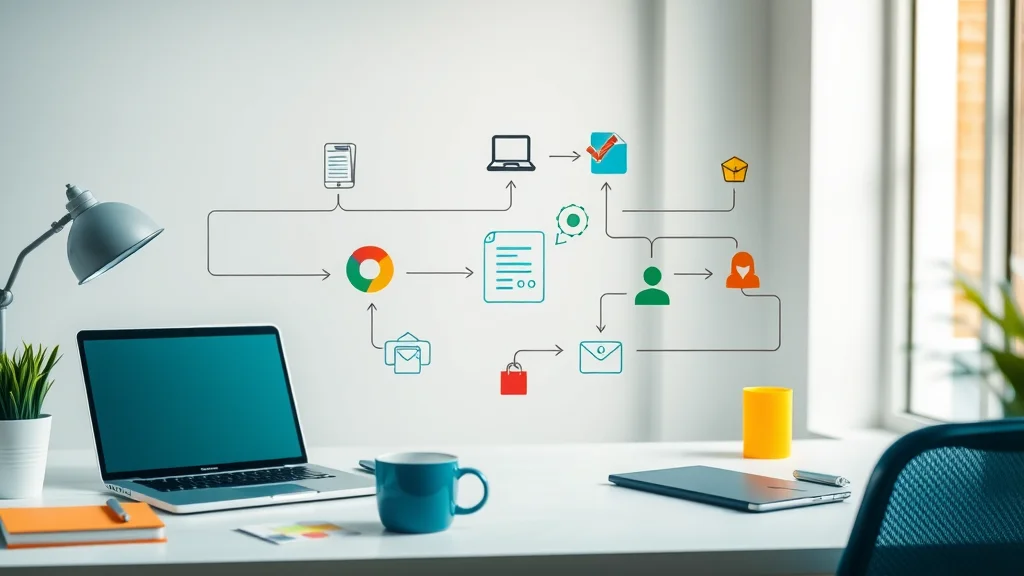
Lead generation strategies refer to the systematic processes businesses use to attract potential customers and convert them into quality leads. At their core, these strategies include every tactic employed to initiate consumer interest, guide a cold prospect toward completing a capture form, and ultimately become a qualified lead for your sales team.
Successful lead gen tactics often blend inbound and outbound generation strategies. Inbound methods—such as content marketing, social media, and SEO—attract and nurture prospects by delivering value upfront, while outbound strategies like cold calling, direct email, and targeted ads actively reach out to potential customers. Each approach has unique advantages: inbound excels at earning trust and compounding over time, while outbound is direct and fast, albeit often more costly. Understanding how these methods complement each other is key to building a holistic lead generation system that brings cold traffic into your funnel and delivers real business outcomes.
The Importance of Lead Capture and Quality Leads
- Why lead capture is vital for successful lead gen
- Key differences between quality leads and cold prospects
- How lead scoring improves quality leads
**Lead capture** is the foundation of every high-performing marketing funnel. It transforms anonymous traffic into actionable opportunities by collecting essential contact details through capture forms or landing pages. However, not all leads are equal: quality leads are individuals or organizations that not only share their information but also demonstrate a genuine need or intent aligned with your product or service. These are the prospects that your sales team wants in their pipeline.
To ensure leads received from your lead generation strategies match your ideal customer profile, many businesses implement lead scoring. This technique assigns values based on factors like engagement, fit, and readiness to buy—allowing you to prioritize follow-up and nurture only the most promising opportunities. When you focus on lead capture and implement rigorous quality checks, the journey from cold traffic to conversion becomes predictable and repeatable.
Mapping Your Target Audience for Effective Lead Generation
Profiling Your Target Audience for Lead Generation

- Using data to define your target audience
- Customer personas and their impact on generation strategies
- Refining your marketing efforts through audience insights
No lead generation strategy can succeed without a detailed understanding of your target audience. Profiling involves collecting and analyzing customer data—including demographics, behavior patterns, and preferences—so you can tailor your generation strategies to their unique needs. The more precise your audience insights, the more relevant your messaging and offers become.
Crafting data-driven customer personas sharpens your marketing efforts and improves the likelihood of generating quality leads. Personas distill collective audience traits into representative profiles—a composite of your ideal customer's challenges, goals, and buying triggers. These blueprints help align your sales team and content creators, guiding everything from email marketing to ad copy and social media outreach. Regularly refining these profiles ensures your strategy evolves as your customer base and market trends shift.
For a deeper dive into practical methods that help you generate quality business leads efficiently, you might find it valuable to explore proven techniques for generating business leads without wasting time. This resource offers actionable steps to streamline your lead gen process and maximize results.
Core Lead Generation Strategies for Cold Traffic
Leveraging Landing Pages & Capture Forms
- Anatomy of a high-converting landing page
- Best practices for capture forms and lead capture
- Design tips from high-performing lead gen campaigns

A dedicated landing page acts as your digital welcome mat for cold prospects. The best pages feature a compelling offer—think free eBook, webinar registration, or product demo—paired with a streamlined capture form to collect crucial information. Key elements of high-performing pages include clear headlines, persuasive calls to action, minimal distractions, trust signals (testimonials, reviews), and mobile-optimized design.
Lead capture forms should be short and intuitive: ask only for essential contact details at first, then progressively gather more as trust develops. Split testing form fields, layout, and CTA buttons can significantly boost your conversion rate. Successful companies regularly iterate on their landing pages and forms, drawing from analytics insights and real campaign data.
Social Media Lead Generation Strategies
- Platforms that work best for lead generation
- Organic vs paid social media campaigns
- Tactics to generate leads through social channels

Social media offers both scale and targeting precision for lead generation. Platforms like LinkedIn and Facebook are especially effective for B2B and B2C lead gen, respectively, allowing direct access to your target audience via organic posts, sponsored content, and paid ad campaigns.
Organic engagement—such as thought leadership posts, value-driven Q&A, or live events—warms prospects before asking for sign-ups or demos. Paid campaigns enable precise targeting features: custom audiences, lookalike segments, and dynamic retargeting. The best tactics bridge both worlds, combining valuable content with well-timed calls to action, interactive polls, and DMs to generate leads directly from social media platforms.
Content Marketing for Lead Gen
- Content types that attract cold traffic
- Using blogs, ebooks, and webinars in your lead generation strategy
- How content marketing fuels quality leads

Content marketing is at the heart of every inbound lead generation strategy. High-value content—such as in-depth blogs, downloadable ebooks, and live webinars—attracts cold prospects searching for solutions or industry insights. Unlike pure ads, valuable content positions your brand as an expert, building enough trust for prospects to willingly submit their contact details.
Each content type offers a unique way to capture leads: blogs contain in-article CTAs, ebooks require form submissions, and webinars can integrate both registration and follow-up nurturing. The most effective teams align content creation with customer persona research, ensuring every resource addresses a key pain point in your target audience. Over time, this approach consistently generates quality leads who are more likely to convert and engage.
Email Marketing Tactics to Generate Leads
- Segmented drip campaigns for cold traffic
- Personalization, automation, and nurture flows
- Analyzing open/click rates: what do your leads want?

Email marketing remains a cornerstone of B2B and B2C lead gen. Segmented, automated drip campaigns nudge cold prospects down the funnel by delivering timely, relevant messages triggered by user behavior or interests. Personalization is key: dynamic subject lines, recipient names, and tailored content substantially increase open and click rates.
Automation tools streamline lead nurturing—moving prospects through awareness, evaluation, and decision stages. Consistently analyzing open, click, and conversion metrics helps identify winning content and optimal send times. By refining nurture flows based on these insights, you can deliver what your potential customers want, driving up engagement and the share of qualified leads in your funnel.
Search Engine Lead Generation Strategies
- SEO techniques that attract cold prospects
- Paid search vs organic: which works best for lead capture?
- Optimizing landing pages for search intent

Search engines remain a primary source of high-intent, cold traffic. Effective SEO strategies—like keyword research, on-page optimization, and authoritative backlinks—improve visibility and drive targeted visitors to your landing pages. These visitors are actively searching for solutions, making them ideal candidates for lead capture.
Paid search ads (Google Ads, Bing) deliver instant visibility and can be precisely matched to high-converting search terms. Organic SEO takes longer to show results, but compounds value over time. Optimize every landing page for the right keywords, align content with user intent, and ensure fast, mobile-friendly load times. A balanced mix of paid and organic tactics often nets the best results for scalable lead generation.
Advanced Lead Gen Techniques for Sales Teams
Implementing Lead Scoring for Quality Leads
- Aligning lead scoring with your lead generation strategies
- Best software/tools for lead gen and lead scoring
- Case study: higher conversion rates with smarter lead scoring
As your organization grows, not every lead can be personally vetted. Lead scoring automates the qualification process by assigning values to prospects based on activity, demographics, and level of interest. Alignment between your lead scoring system and overall lead generation strategies ensures that only the most promising potential customers get passed to your sales team.
Many CRM platforms and specialized tools (like HubSpot, Salesforce, or Marketo) can automate this process, providing real-time insights to your marketing teams. Case studies consistently show that smarter lead scoring—coupled with targeted nurturing—increases close rates while reducing time wasted on unqualified prospects. Constant feedback between sales and marketing teams is essential to fine-tune lead scoring rules and maximize the impact.
Integrating CRM for Seamless Lead Generation
- How CRMs optimize your lead capture and nurture workflows
- Connecting sales teams and generation strategies
- Automation tips: from capture to close

Customer Relationship Management (CRM) systems are the engine rooms of modern lead gen. Integrated CRMs record every interaction, automate workflows, and give your sales team a 360-degree view of prospect journeys. This streamlines lead capture, scoring, and follow-up activities—making the handoff between marketing and sales seamless.
The most advanced teams automate everything from lead assignment to personalized follow-up, tracking every touchpoint along the way. With connected data and actionable dashboards, you can spot bottlenecks, identify at-risk leads, and ensure every generation strategy is leading to pipeline growth, not leakage. Automation doesn’t mean less human touch—it means the right touch at the right time, maximizing conversions from even the coldest prospects.
Optimizing Lead Generation: Testing, Analytics, and Iteration
Tracking Marketing Efforts and Lead Gen ROI
- KPIs every lead generation strategy must monitor
- Setting up analytics for landing pages and capture forms
- Measuring the impact of each generation strategy on quality leads

To continuously improve, top marketers obsessively measure every aspect of their lead generation strategies. Key performance indicators (KPIs) include conversion rate on capture forms, cost per lead, time-to-close, and lead quality index. Setting up robust analytics—whether through Google Analytics, CRM reports, or dedicated dashboards—helps quantify the ROI for every marketing effort and generation strategy in your playbook.
Track how each landing page, campaign, and channel performs in real-time, and use this data to attribute outcomes precisely. This gives you powerful visibility into what's working, so you can double down on hot opportunities and quickly fix anything that’s underperforming.
Continuous Improvement of Generation Strategies
- Split testing for capture forms, landing pages, and email campaigns
- Iterating your lead gen based on data
- How to identify and phase out low-performing generation strategies
Best-in-class organizations treat lead generation as a process of continual optimization. A/B (split) testing different headlines, form fields, CTAs, and page layouts uncovers the variables that drive higher engagement. By measuring open, click, and completion rates, you can systematically improve your marketing efforts over time.
Replace low-performing campaigns and double down on proven winners, guided by actionable analytics. This culture of testing, learning, and iteration is what separates stagnant pipelines from agile, high-velocity sales teams. In the dynamic world of digital marketing, yesterday’s success doesn’t guarantee tomorrow’s results—so never stop optimizing!
Tables: Comparative View of Lead Generation Strategies
| Feature | Inbound Strategies | Outbound Strategies |
|---|---|---|
| Cost | Medium | High |
| Conversion Rate | High | Low |
| Examples | Content marketing, SEO | Cold calling, Direct mail |
This comparative snapshot helps clarify why a blended, data-driven approach to lead gen often yields the best results for modern businesses.
Best Practices: Lists for Building Better Lead Generation Strategies
- Define your target audience in detail
- Adopt agile, data-driven marketing efforts
- Optimize landing pages and capture forms
- Integrate CRM with lead gen workflows
- Track, test, and improve generation strategies continually
"A strong lead generation strategy doesn't just target more leads—it finds better leads."
Adhering to these best practices ensures sustainable pipeline growth and a higher conversion rate with every campaign you launch.
People Also Ask About Lead Generation Strategies
What are the best lead generation strategies?
- The best lead generation strategies combine targeted content marketing, optimized landing pages, personalized email marketing, and active engagement on social media. Integrating lead scoring and regular analytics further improves the quality of leads generated.
What is the 5 minute rule for leads?
- The 5 minute rule refers to the optimal response window for new leads: contacting a lead within five minutes of inquiry significantly increases the chances of conversion, making it a key best practice in lead gen.
What are the 5 P's of marketing strategy?
- The 5 P's—Product, Price, Place, Promotion, and People—form the backbone of any comprehensive marketing or lead generation strategy, ensuring an aligned approach across all touchpoints.
What are the three approaches to lead generation?
- The three primary approaches to lead generation are inbound (content, SEO, social), outbound (cold calling, email, ads), and referral-based (loyalty programs, testimonials).
Frequently Asked Questions (FAQs) on Lead Generation Strategies
-
How can businesses ensure their lead generation strategies target quality leads?
By developing detailed buyer personas, implementing lead scoring, and refining messaging for each stage of the funnel, businesses can focus their efforts on prospects most likely to convert. -
What tools help sales teams improve lead capture?
Integrated CRM systems, automated email marketing platforms, and advanced analytics dashboards streamline lead capture, qualification, and nurturing processes. -
Are landing pages essential for all lead gen campaigns?
Yes, landing pages specifically designed for lead capture substantially improve conversion rates by focusing visitor attention on a single, compelling call to action. -
How do different industries approach generation strategies?
While the core principles are universal, B2B industries might favor LinkedIn, webinars, and in-depth guides; B2C sectors may emphasize social media, contests, and video content. -
What metrics best measure successful lead gen?
Conversion rate, cost per lead, sales cycle length, and the proportion of qualified leads are the most telling indicators of generation strategy effectiveness.
Key Takeaways from Successful Lead Generation Strategies
- Personalization is now critical for effective lead gen
- Fast response times improve cold traffic conversion
- Testing and analytics drive ongoing lead generation improvements
- Cross-team collaboration, including sales teams, is essential
Ready to Grow? Supercharge Your Sales Team with Proven Lead Generation Strategies
- Implement these lead generation strategies today to turn cold traffic into quality leads for your business. Request a free strategy audit to see how you can maximize your lead gen potential.
Conclusion: Turn cold prospects into genuine opportunities by adopting these proven strategies—your next wave of quality leads is just a strategy tweak away!
If you’re ready to take your lead generation to the next level and want to uncover the advanced tactics that top-performing businesses use to drive sales, don’t miss our in-depth guide on secret lead generation techniques that are fueling real sales growth. This resource goes beyond the basics, offering strategic insights and innovative approaches to help you outpace the competition. Whether you’re looking to refine your current campaigns or discover new ways to energize your pipeline, you’ll find actionable ideas to elevate your results. Explore these expert strategies and unlock the next phase of your business’s lead generation success.




Write A Comment