
Add Row
Add Element
cropper
update

[Company Name]

update
Add Element
  • Home
  • EYM Home
  • Categories
    • Website Optimization Tips
    • Smart SEO Insights
    • Content That Converts
    • Reputation Marketing Tips
    • Social Marketing Insights
    • Smart Lead Tactics
    • Video & Media Strategies
    • Success Tips
July 01.2025
1 Minute Read

Brand Reputation Monitoring: Catch Issues Early

professional marketing team analyzing real-time online reputation data on multiple digital screens with brand reputation monitoring dashboards

Did you know that the majority of business crises start with a single negative review or unnoticed online mention? In fact, 85% of consumers trust online reviews as much as personal recommendations —meaning your brand’s success hinges on your ability to swiftly spot and address online sentiment. If you’re not monitoring your reputation, you’re already risking your competitive edge. This guide will show you exactly how brand reputation monitoring keeps you ahead of controversy, builds trust, and safeguards your business growth.

Why Brand Reputation Monitoring Matters: The Unseen Risk of Delay

Brand reputation monitoring is more than a buzzword—it’s your safety net against reputational and financial fallout. Today, a single unnoticed comment on a review site or viral post can ignite a chain reaction, damaging your brand awareness almost overnight. With most customers researching brands via online reviews and social media, even a delayed response to an online review can erode trust and push potential customers toward your competitors.

The real danger isn’t just negative reviews themselves but missing early warning signs that allow issues to escalate. Delays in identifying and responding to feedback not only extend the life of a negative review but make it more likely to be amplified across multiple platforms through social media and review sites. In an age where every customer voice echoes across the digital landscape, businesses must be vigilant to preserve their online presence.

Brand Reputation Monitoring: The Cost of Missing Early Signals

Did you know? 85% of consumers trust online reviews as much as personal recommendations—one overlooked review could cost you thousands.

Waiting to act on negative feedback can lead to costly consequences: lost sales, diminished brand loyalty, and lower rankings on crucial search results. For example, a negative review on a major platform can quickly turn into a social media firestorm. Companies without proactive online reputation monitoring tools risk losing control over the narrative, potentially facing a long road to recovery for their online reputation.

On the other hand, early intervention through automated alerts and real-time social listening helps brands build credibility, improve customer satisfaction, and prevent small issues from snowballing. Investing in monitoring software with reputation management features ensures your business can react quickly and maintain a positive online rep in the eyes of potential customers and stakeholders.

What You Need to Know About Brand Reputation Monitoring

  • The significance of monitoring tools for real-time reputation management
  • How reputation monitoring software streamlines online reputation tracking
  • Impact of negative reviews and online reputation management strategies
  • Use of sentiment analysis , social listening , and review management in building brand awareness
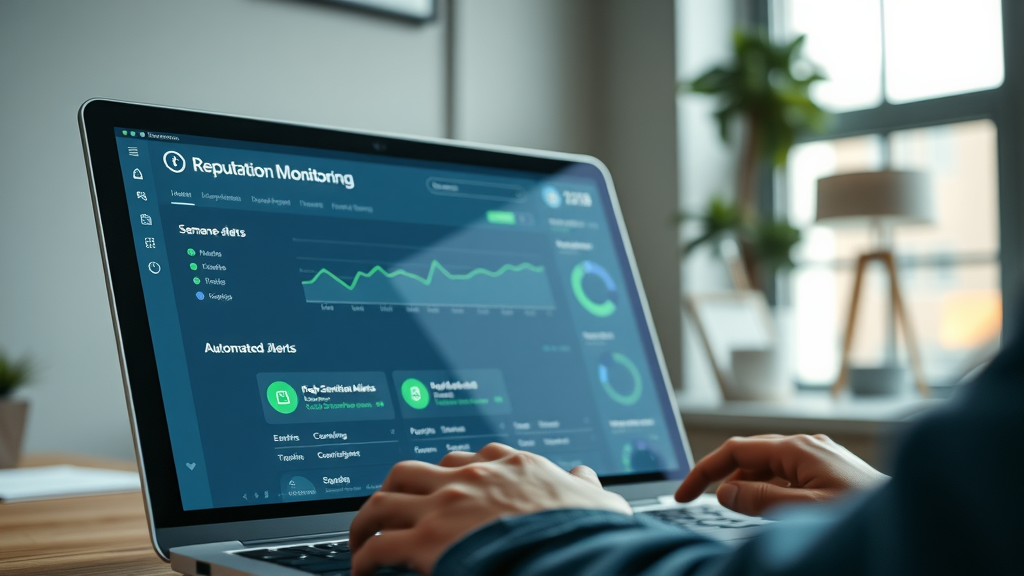
sleek user interface of reputation monitoring software with real-time sentiment analysis and automated alerts on digital dashboard

Brand reputation monitoring tools act as your brand’s first line of defense. These monitoring tools scan the web for mentions of your brand, online reviews, and social media conversations—alerting you instantly when an issue arises. Reputation monitoring software consolidates these insights into a manageable dashboard, making it easy to track customer sentiment, spot trends, and address issues proactively. With the explosion of review sites and user-generated content, automation is no longer a luxury but a necessity to maintain a resilient online rep.

Powerful features like sentiment analysis and social listening ensure that your brand can interpret the tone and context of online discussions, not just flag keywords. Integrating these insights with review management and customer feedback systems provides a holistic view of your brand’s health, empowering your team to take meaningful action and strengthen brand awareness in every digital interaction.

How Brand Reputation Monitoring Supports Proactive Reputation Management

Proactive reputation management hinges on real-time data and insights. Brand reputation monitoring enables your business to spot negative trends, encourage positive customer reviews, and sustain a favorable brand image before issues spiral out of control. With the right monitoring tools, you can configure instant alerts for negative reviews or spikes in negative sentiment, guaranteeing that potential problems are never ignored.

Online reputation monitoring also streamlines your crisis response. When your team is equipped with up-to-the-minute information from monitoring software, you can coordinate resources across marketing, PR, and customer service to respond quickly and effectively. The result? Enhanced resilience, stronger customer loyalty, and competitive differentiation that supports long-term business growth.

Integrating Online Reputation Monitoring into Your Workflow

To get the most from online reputation monitoring, integration is key. Embed monitoring tools directly into your daily workflow for continuous oversight—don’t wait for a crisis to start checking mentions.

This involves linking your monitoring software with platforms you already use, such as customer service CRMs, social media management tools, and review management dashboards. The best reputation monitoring tools offer integrations that automate alerts and streamline cross-team communication, allowing every department to stay informed and take ownership of online reputation management.

With a unified management tool, your brand becomes nimble—able to respond to feedback in real time, collaborate across departments, and shape perception proactively, all from one portal.

Proactive Online Rep Strategies with Monitoring Tools

Adopting a proactive online rep strategy begins by leveraging the full power of monitoring tools to uncover actionable insights. Use sentiment analysis to pinpoint rising issues, and respond publicly (and promptly) to negative reviews.

Set up automated alerts within your monitoring tools to detect brand mentions, whether they’re customer reviews on third-party sites or discussions on social media. This allows you to address complaints swiftly and highlight positive customer feedback in your marketing.

Regularly reviewing analytics provided by your reputation monitoring software will help you track brand awareness trends, ROI from your efforts, and opportunities to celebrate customer satisfaction—making your online rep a valuable asset rather than a risk to be managed.

Choosing the Best Reputation Monitoring Tools for Your Brand

With a crowded marketplace of reputation monitoring software, it’s crucial to choose tools tailored to your unique needs. Consider integrations, the depth of sentiment analysis, review management features, and scalability. Monitoring tools aren’t one-size-fits-all: what works for a small business might not suffice for a multi-location national brand.

Leading solutions in online reputation management offer social listening, automated alerts, seamless integration with customer review and management platforms, and data-driven dashboards that inform business decisions. Investing in the right monitoring tool means fewer missed opportunities, better customer service, and an edge over competitors who rely on manual tracking.

Comparison of Leading Reputation Monitoring Software
Software Key Features Integrations Pricing
Brand24 Social listening, sentiment analysis, automated alerts, review site tracking Slack, Zapier, Google Analytics From $49/mo, free trial available
Reputation.com Review management, customer feedback, multi-location management tool Salesforce, Hootsuite, Zendesk Custom quotes
Hootsuite Insights Social media monitoring, sentiment analytics, real-time reporting Facebook, Twitter, Google My Business From $99/mo
Birdeye Automated survey triggers, online review aggregation, customer service tools Shopify, HubSpot, Google From $299/mo

Key Features of Reputation Monitoring Tools

  • Social listening capabilities
  • Automated alerts for negative reviews
  • Sentiment analysis dashboards
  • Integration with review management platforms
  • Customer service escalation workflows

Top-tier reputation monitoring software goes beyond basic monitoring to offer sophisticated sentiment analysis dashboards, automated alert configurations for negative reviews, robust social listening, and seamless integration with popular customer service and review management systems. These features ensure a high level of preparedness for any situation involving your online reputation.

By using monitoring tools that are tailored to fit within your current technology stack, your teams gain a real-time view into brand mentions, customer sentiment, and the performance of your online reputation management efforts. This kind of comprehensive oversight drives both improved business outcomes and peace of mind, allowing you to focus on growth.

Online Reputation Monitoring: Monitoring Tools That Make a Difference

Not all monitoring tools are made equal. To truly make a difference, your online reputation monitoring tools should provide actionable, actionable insights—not just raw data. They must be designed specifically to handle the unique dynamics of digital brand management, not just general monitoring functions.

Specialized reputation monitoring software distinguishes itself with features like advanced review management, granular sentiment analysis, and cross-platform coverage (including niche review sites and all major social channels). Such tools empower businesses to maintain an impeccable online presence and resolve online reviews and complaints before they impact potential customers.

Reputation Monitoring Tool vs. General Monitoring Software
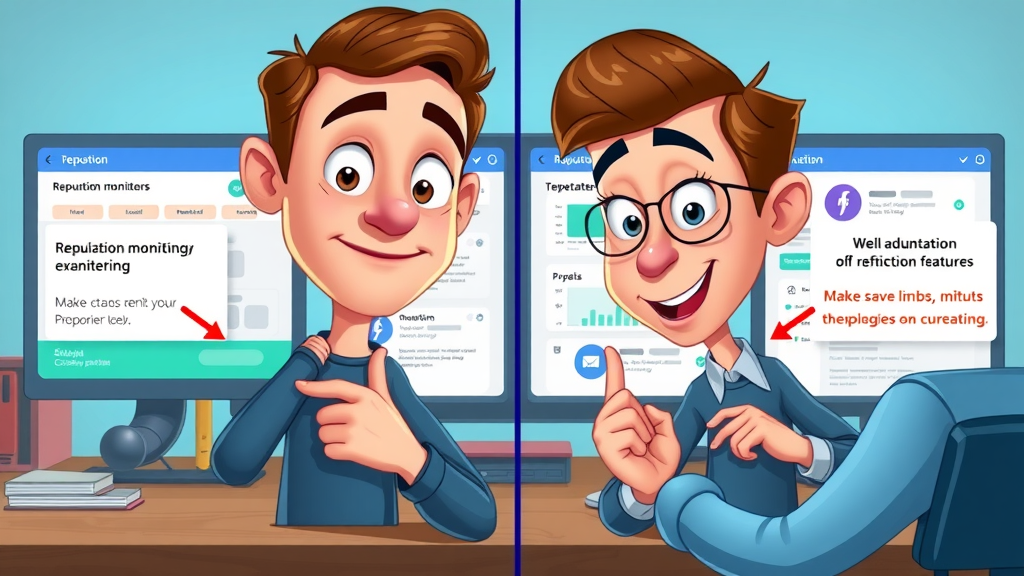
comparison of reputation monitoring tool and general monitoring software highlighting online reputation management features

The line between reputation monitoring tool and generic monitoring software isn’t always obvious until you need to act fast. General monitoring software may track web mentions, but reputation monitoring tools aggregate customer reviews, facilitate real-time customer service escalation, and automate responses—all while supporting multi-location brand awareness efforts.

For instance, a typical monitoring tool might alert you when your brand is mentioned in a blog post. A purpose-built reputation monitoring solution will not only notify your team of a negative review but also score its sentiment, suggest a response based on best practices, and record outcomes for post-crisis learning. In other words, it supports a full reputation management workflow—not just passive monitoring.

Real-World Examples: How Top Brands Use Reputation Management Software

Top brands consistently leverage reputation management software for both crisis prevention and brand building. For example, a global retailer may use comprehensive social listening technology to track customer sentiment, allowing it to identify and defuse brewing controversies on social media before they reach mass attention. Meanwhile, a franchise restaurant chain integrates review management software to respond to every customer review within minutes, boosting their online ratings and customer loyalty.

In both cases, the outcome is clear: reputation monitoring tools are central to growing brand awareness, maintaining top-notch customer service, and turning every customer interaction into an opportunity for positive engagement.

Social Listening & Sentiment Analysis in Brand Reputation Monitoring

Social listening and sentiment analysis are indispensable for any brand reputation monitoring strategy. Social listening enables brands to capture the full context of conversations happening on social media, forums, and review sites. Sentiment analysis interprets not just what is being said about your brand but how it’s being said—highlighting emerging trends, pain points, and ambassador voices within your customer base.

Combined, these functions within reputation monitoring software ensure that brands can respond dynamically—not just reactively—to evolving customer sentiment. When you’re able to quantify shifts in public opinion, it becomes much easier to prioritize which issues demand immediate attention and which can be resolved through standard online reputation management processes.

Harnessing Social Media for Reputation Management

brand manager monitoring social media sentiment using tablet for brand reputation monitoring and social listening

Social media amplifies both positive and negative experiences. With the right monitoring tool, brands can identify trending hashtags, viral customer posts, and influencer mentions in real time. Social listening features in reputation monitoring software contribute by flagging sentiment shifts in brand-related conversations across all major social media networks.

This rapid insight means reputation management doesn’t have to be reactive—your team can get ahead of potential crises before they escalate. For example, when a negative customer review starts gaining traction online, automated notifications through monitoring software allow for immediate escalation and efficient resolution, enhancing online reputation and strengthening brand awareness within your industry.

Sentiment Analysis: Detecting Issues Before They Escalate

"A single negative review, left unchecked, can spread across platforms and damage your online reputation overnight.” - Senior Brand Manager, Global Retailer

Sentiment analysis uses artificial intelligence and machine learning to identify negative, neutral, or positive tones in online discussions about your brand. With ongoing sentiment monitoring, reputation management teams are able to detect simmering discontent or emerging brand advocates—providing the kind of insight that manual reviews would miss.

By deploying monitoring tools that include advanced sentiment analysis, your business is equipped to intercept negative reviews before they spread, increase customer satisfaction, and drive data-informed improvements to customer service processes. This results in a more resilient and well-regarded online rep over time.

Measuring Success: KPIs for Brand Reputation Monitoring

To understand whether your reputation management efforts are producing results, it’s critical to track the right KPIs (Key Performance Indicators). These metrics should cover everything from brand awareness and customer sentiment to response times and engagement levels on review sites and social channels. Your reputation monitoring software should offer robust analytics dashboards tailored around these business-critical indicators.

Regular KPI reviews allow for timely pivots in strategy—ensuring your team acts on real, actionable data rather than assumptions. This not only supports online reputation management but also empowers ongoing business growth informed by reliable customer feedback and insights gleaned from monitoring tools.

Brand Reputation KPIs: Metric, Calculation, Importance, Monitoring Tool Examples
KPI Metric Calculation Importance Tool Example
Net Promoter Score (NPS) Customer survey responses (Promoters - Detractors) Measures customer loyalty and satisfaction Birdeye, Reputation.com
Average Review Rating Sum of ratings / Number of reviews Indicates customer satisfaction and online rep Brand24, Hootsuite Insights
Response Time Time from review/mention to brand response Impacts customer trust and service Reputation.com, Brand24
Sentiment Score Automated sentiment analysis (positive/neutral/negative) Tracks shifts in brand perception Brand24, Hootsuite Insights
Share of Voice Mentions of your brand / Total industry mentions Measures brand awareness Brand24, Hootsuite Insights

Essential Metrics: From Brand Awareness to Customer Service Response

Metrics like NPS, average star ratings, and customer satisfaction survey results are the backbone of effective reputation management. Tracking the volume and quality of customer reviews, speed of responses to online reviews, and share of voice in social media conversations helps brands build a comprehensive picture of their online presence. These essential KPIs are easily customizable within most reputation monitoring tools for effortless tracking and reporting across teams.

Review management workflows should include monthly analytics reviews, ensuring that every department knows where the brand’s online reputation stands and how to improve it further. The integration of monitoring tools with various business systems ensures that data is always current, actionable, and capable of driving real-world change for your brand awareness and customer service outcomes.

Overcoming Common Challenges in Brand Reputation Monitoring

Even with the best monitoring tools, challenges arise—from dealing with negative reviews to maintaining efficiency across distributed teams. Reputation management isn’t simply a matter of responding to every issue: it requires discipline, ongoing training, and clear procedures. Brands must also ensure that data from reputation monitoring software translates into meaningful action so that every customer review and piece of feedback receives appropriate attention.

Integrating customer service, marketing, and PR teams is key for holistic online reputation management. Whether you’re addressing a sudden crisis or preventing slow-burn issues, your reputation monitoring tool should be the central hub for tracking progress, coordinating resources, and ensuring consistency in your brand’s voice everywhere online.

Dealing with Negative Reviews: Reputation Management Best Practices

customer service leader strategizing response to negative online reviews using reputation monitoring software

When negative reviews surface, your response time and tone matter just as much as the solution offered. Best practices include acknowledging the experience, apologizing if necessary, and taking the conversation offline for resolution. Empower your team to monitor all review sites regularly and respond within 24 hours—a standard set by leading online reputation management professionals.

Utilize reputation monitoring software to set up automated notifications when negative reviews are posted, and build templates for common responses to ensure consistency and professionalism. Remember, timely and thoughtful replies demonstrate your brand’s commitment to customer satisfaction—and can often turn negative experiences into powerful testimonials.

Streamlining Team Coordination with Reputation Monitoring Software

Reputation management is a team sport, especially in organizations with multiple locations or active online presences. Reputation monitoring tools with real-time dashboards facilitate seamless communication between departments—ensuring issues are never dropped or mishandled.

Use features like role-based user access, automated task assignments, and integrated reporting to keep every stakeholder in the loop. This workflow removes bottlenecks, maximizes transparency, and creates a united front in managing your online reputation. Streamlined operations mean faster response times and a stronger, more consistent brand voice across all digital channels.

Integrating Brand Reputation Monitoring Across Departments

Brand reputation doesn’t rest solely with your marketing team. For true control, reputation monitoring tools should be embedded across the entire organization—including PR, customer service, product development, and leadership. Each team has a role in interpreting, escalating, or responding to customer feedback, social listening data, and sentiment analysis reports.

Companies with the strongest brand awareness regularly schedule cross-departmental reviews, using shared monitoring dashboards to examine trends and set coordinated action plans. This not only unifies customer service standards but also enables real-time crisis response and consistent messaging across every channel where your audience is active.

Collaboration Between Marketing, PR, and Customer Service

  • Ensuring consistent online reputation management
  • Real-time crisis response with monitoring tools
  • Unified management tool dashboard for all teams

When marketing, PR, and customer service teams collaborate, brands are better equipped to deliver consistent responses and quickly align strategies in the face of emerging threats. Use a unified management tool to bring together insights from sentiment analysis, social listening, and review management—streamlining everything from daily monitoring to major crisis communications. Together, these teams create a powerful brand reputation defense system that maximizes positive online presence and minimizes risk.

People Also Ask

How to measure brand reputation in KPI?

Brand reputation can be measured through targeted Key Performance Indicators (KPIs) such as Net Promoter Score (NPS), average review ratings, sentiment analysis scores, and share of voice. Reputation monitoring tools track these metrics automatically, providing clear data on brand health and helping you quickly identify areas for improvement in your online rep.

How to manage brand reputation?

Managing brand reputation involves monitoring all online mentions, responding promptly to negative reviews, encouraging positive feedback, and actively engaging across social media platforms. Reputation management software and monitoring tools simplify this process by providing real-time alerts, review management features, and data-driven dashboards for continuous improvement.

How to master the 3 pillars of brand reputation management?

Mastering brand reputation management requires expertise in (1) proactive monitoring using top-tier reputation monitoring software, (2) exceptional customer service with clear response protocols, and (3) consistent brand messaging across all digital platforms. Employing monitoring tools ensures each pillar is supported and measurable for business growth.

How is brand reputation calculated?

Brand reputation is calculated by aggregating customer feedback, online reviews, sentiment scores, and overall online presence analytics. Monitoring tools synthesize this data, translating it into actionable scores or dashboards that reflect public perception and provide benchmarks for ongoing reputation management.

Case Studies: Boosting Online Reputation and Brand Awareness

Online Reputation Management for Multi-Location Businesses

  • Case study: National food chain using reputation monitoring software
  • Results: Increased positive reviews and proactive issue resolution
  • Brand awareness impact and improved customer service rankings
"Implementing robust reputation management tools turned our reputation score around within months." - CEO, Hospitality Group

A national food chain struggled with inconsistent customer reviews across dozens of locations, leading to poor rankings on major review sites. By integrating a centralized reputation monitoring tool, the brand unified its online reputation management processes. Automated alerts and sentiment analysis enabled each franchise to address negative reviews within hours, boosting customer satisfaction scores by 40% and increasing positive mentions on social media. In just months, the chain achieved a sustained increase in brand awareness and improved nationwide customer service rankings.

This example underscores the measurable benefits of investing in comprehensive monitoring software—not just for crisis prevention but for shaping positive, lasting perceptions in every market you serve.

Quick-Start Checklist for Brand Reputation Monitoring

  1. Assess current online rep with monitoring tool
  2. Set up alerts and sentiment analysis
  3. Establish response protocols for negative reviews
  4. Integrate reputation monitoring tools across teams
  5. Review analytics and adapt strategy monthly

Start your journey by assessing your brand’s digital footprint, installing reputation monitoring software, configuring alerts for reviews and social mentions, and scheduling monthly reviews of analytics. This checklist helps streamline online reputation management for brands of all sizes, ensuring early detection of potential issues and continuous improvement in your online presence.

Frequently Asked Questions

What is the best tool for brand reputation monitoring?

The best tool for brand reputation monitoring depends on your needs, but many businesses prefer solutions like Brand24, Reputation.com, Hootsuite Insights, or Birdeye. These offer advanced review management, sentiment analysis, and automated alerts—empowering teams to maintain a robust online rep with minimal manual effort.

How quickly should I respond to online reviews?

Ideally, brands should respond to online reviews within 24 hours. Rapid responses demonstrate your commitment to customer satisfaction, build trust, and prevent negative experiences from escalating on review sites and social media platforms. Monitoring tools make it feasible by automating alerts and streamlining workflows across teams.

Next Steps: Take Charge of Your Brand Reputation Monitoring

Ready to protect your brand? Schedule a Free Strategy Session Today! https://hub.prospectrocket.com/AR/eymcalendar

  • Implement robust reputation monitoring
  • Secure your online reputation
  • Drive business growth through actionable insights

Actionable Step: Get started with brand reputation monitoring today—schedule your free strategy session now to see how you can transform your online rep and unlock new growth for your business.

To enhance your understanding of brand reputation monitoring, consider exploring the following resources:

  • “8 Tools to Effectively Monitor Your Brand’s Reputation Online” : This article provides an overview of top tools like Google Alerts, Brand24, and Hootsuite, detailing their features and how they can help you track and manage your brand’s online presence. ( name.com )

  • “Online Brand Reputation Monitoring & Management Software - Sprinklr” : This page introduces Sprinklr’s AI-powered reputation management software, which offers real-time sentiment analysis and crisis detection across multiple digital channels. ( sprinklr.com )

These resources offer valuable insights and tools to help you proactively monitor and manage your brand’s reputation, ensuring you can address issues promptly and maintain a positive online presence.


Reputation Marketing Tips

0 Comments

Write A Comment

*
*
Please complete the captcha to submit your comment.
Related Posts All Posts
03.20.2026

Why Online Reputation Impacts Buying Decisions

Did you know: Nearly 90% of consumers admit their purchasing decisions are swayed by a company’s online reputation? In today’s hyper-connected marketplace, a single online review can tip the scales between winning a sale or losing a loyal customer A Startling Fact: The Power of Online Reputation Impact on Consumers Consumers today hold unprecedented power over businesses—not just with their wallets but through the online reputation impact they generate with every review, post, or rating. A company’s virtual standing acts as a digital resume, openly available for potential customers to examine before making a buying decision. The online reviews you accumulate aren’t just feedback; they function as a public record, profoundly influencing trust and credibility. Studies consistently reveal that over 80% of shoppers trust online reviews as much as recommendations from friends or family. This digital trust translates directly to increased conversions, or, when mishandled, drives buyers straight into competitors’ arms. In the digital era, first impressions happen online. Consumers actively seek out online review platforms, customer feedback, and media posts long before they reach the checkout. Just a few positive reviews can convince potential customers to take action, while a single negative review can cause doubt and send them looking elsewhere. Understanding the potent impact of your business’s online reputation is no longer optional—it's essential for survival and growth. How a Single Negative Review Can Change Customer Behavior One unfortunate negative review can do more than briefly damage a company’s reputation—it can alter a consumer’s entire perception of your brand. The reason is simple: people remember and react more strongly to negative content than positive feedback. Social media platforms and online review sites act as amplifiers, making a single instance of negative feedback visible to thousands, even millions, in just hours. For new businesses or lesser-known brands, a single critical review may deter potential customers who were moments away from making a purchase. Furthermore, a negative narrative tends to linger online, compounding the effect as it shows up in search results and across various media posts. Customers are conditioned to check ratings and recent customers’ experiences, and if your latest reviews showcase unresolved issues or persistent complaints, hesitation and lost sales will almost certainly follow. Handling negative reviews with transparency and a solution-oriented attitude can diffuse potential crises—while ignoring or deleting them generally backfires, eroding public trust and credibility. As you consider the impact of online reputation, it's also important to recognize how multimedia content can shape public perception. For example, integrating video media marketing into your strategy not only enhances engagement but can also reinforce positive brand sentiment and credibility. To explore practical ways video can elevate your reputation, see how video media marketing influences trust and buying behavior. What You’ll Learn in This Guide on Online Reputation Impact Comprehensive understanding of online reputation impact Key factors influencing online reputation and purchasing decisions Practical strategies for effective reputation management How to use online review and social media to build a positive online presence Defining Online Reputation Impact: Why It Matters in Today’s Marketplace In a world where information is instant, your online reputation impact is both your business card and your lifeline. Online reputation encompasses every digital touchpoint—from media posts and customer reviews to search engine search results and social media chatter. These elements collectively shape how the public perceives your brand, ultimately dictating buying behavior. Understanding the stakes is essential for businesses aiming not only to attract buyers but to foster lasting relationships that lead to repeat business and organic brand advocacy. The reason online reputation carries so much influence is rooted in human psychology. Consumers want evidence that a company is trustworthy before they commit. Social proof—in the form of positive reviews, high ratings, and favorable media posts—creates reassurance. Conversely, negative content or viral reputation crises can erode trust, resulting in lost sales and diminished brand value. The way your brand is discussed online signals to potential customers whether or not you’re worthy of their business. Online Reputation and Its Influence on Buying Behavior The modern consumer bases many purchasing decisions on perceived online reputation impact. Before buying a product, booking a service, or even applying for a job, people check online reviews, browse ratings, and search for existing customer feedback. This reliance is why positive online reputation directly translates into higher sales, increased website traffic, and a broader pipeline of potential customers. Conversely, brands with negative reputation management experience struggles: suspicious buyers, abandoned carts, and a reputation that follows them in search engine results for years. In highly competitive markets, the margin between success and failure is razor thin. Smart companies work deliberately to cultivate a strong, positive presence, constantly monitoring their digital footprint for signs of trouble or opportunity. Reputation Management: Essential Concepts and Tools Reputation management is the continuous process of influencing, managing, and improving the way a business is perceived online. It involves monitoring social media platforms, responding to online reviews, and addressing negative feedback quickly. Vital tools in this area range from Google Alerts and review monitoring software to integrated online reputation management dashboards that track mentions, ratings, and shifting public sentiment across websites and media posts. Having a robust reputation management strategy ensures businesses can respond to negative situations before they spiral out of control. It also positions brands to proactively gather and amplify positive customer experiences, which, in turn, strengthens search engine ranking and boosts confidence among potential customers. Today, online reputation management isn’t just about damage control—it’s about building a reliable, positive perception that can withstand the scrutiny of an ever-vigilant public. The Role of Online Reputation Management At its core, online reputation management is about control and influence. This strategic discipline blends public relations, search engine optimization, and responsive customer engagement to protect and enhance a brand’s online presence. Whether it’s reaching out to happy customers for testimonials, monitoring social media posts, or quickly addressing negative feedback, every action ripples through the buying journey. Well-executed online reputation management transforms a brand narrative, shifting it from reactive to proactive. This approach builds a robust line of defense against reputational threats while at the same time fueling organic growth through positive word-of-mouth. Brands that consistently monitor, adapt, and engage online command more trust, which leads to higher conversion rates and long-term customer loyalty. Consumer Trust: Exploring the Connection Between Online Reputation Impact and Purchase Decisions Consumer trust is the currency of the digital age. With online reviews and social media just a tap away, buyers seek validation and confirmation before choosing to do business with a company. A transparent, well-managed digital reputation becomes the foundation for trust, while mishandled crises can cause skepticism and prompt consumers to take their business elsewhere. Brands that earn consistent positive reviews enjoy higher buyer confidence, increased web traffic, and greater social shares. Conversely, a few negative reviews or unresolved issues can dramatically undermine trust and deter even the most interested buyers. Ultimately, trust functions as a deciding factor for both initial conversions and ongoing loyalty. This means every aspect of your online presence—from customer responses to shared stories—can tip the scale. Statistics on Online Reviews and Consumer Trust Quantitative data firmly supports the undeniable link between online reputation impact and buying decisions. A vast majority of buyers conduct online research through reviews and testimonial platforms before purchasing. Statistics show that-- 88% of consumers trust online reviews as much as personal recommendations More than 70% say positive reviews make them trust a business more Roughly 22% of consumers will not buy after seeing just one negative review Over half of customers expect a brand to publicly respond to negative comments within a few days online reputation Correlation Between Review Quality, Star Ratings, and Buyer Confidence Review Quality Average Star Rating Buyer Confidence High (Detailed, Authentic, Responsive) 4.5 – 5 stars Extremely High Moderate (Generic, Unverified) 3.5 – 4 stars Moderate Low (Negative, Unaddressed) 1 – 3 stars Very Low Expert perspective: "A business’s online reputation can influence up to 90% of consumer decisions." How Positive Online Reputation Drives Sales Growth A positive online reputation builds a virtuous cycle for any brand. When satisfied customers share glowing reviews, leave high ratings, or post enthusiastic mentions on social media platforms, it signals to new buyers that the company delivers on its promises. These customers act as influential advocates, creating free marketing that boosts search engine ranking and, ultimately, increases revenue. Moreover, a strong online reputation draws more traffic, converts curious onlookers into buyers, and makes it easier for companies to weather occasional negative content or competitive threats. For businesses large and small, prioritizing online reputation management ensures they’re not just discovered—they’re chosen. In the process, continuous investment into building and maintaining a positive online presence translates directly into scalable sales growth. Negative Reviews: The Double-Edged Sword of Online Reputation Impact While positive feedback drives growth, negative reviews can wield an outsized influence on a company’s fortunes. Given their immediate and long-lasting visibility, negative feedback must be managed promptly and with care. Shoppers are swayed not only by the existence of critical reviews but by how a business handles those knockbacks. The right approach can actually turn a dissatisfied customer into a loyal advocate. The goal? Convert negatives into learning opportunities and public demonstrations of care and competence Negative Feedback and Its Lingering Effects on Brands Once posted online, negative feedback and negative reviews can remain visible for years, appearing in search results and on prominent social media platforms. Brands unable or unwilling to address these issues risk a perpetual reputation crisis that turns away potential customers with each passing day. Even a small number of unresolved public complaints can undermine perceptions of quality and reliability. Worse still, negative feedback tends to be shared more widely than positive experiences, gaining traction and influencing buying decisions beyond the initial audience. Effective reputation management means viewing every review as a public interaction—one with the power to change narratives, rebuild trust, or set a positive example in competitive industries. Managing Negative Reviews Effectively Turning negative reviews into opportunities is at the heart of comprehensive reputation management. The process requires more than apologies—it calls for authenticity, empathy, and action. When customers raise legitimate concerns, a well-crafted, timely reply (ideally public) demonstrates accountability and a willingness to improve. Such engagement not only reassures the original reviewer but also reinforces trust among onlookers evaluating if the brand values customer satisfaction. Monitor all primary review sites and social media platforms for negative feedback Respond promptly—within 24–48 hours where possible—to minimize escalation Personalize each response, avoid generic answers, and address the issue directly Offer solutions or restitution (where appropriate) Follow up publicly and privately to resolve the issue, signaling care and professionalism Companies that consistently follow these proactive steps not only limit the impact of negative content but also turn unhappy customers into vocal supporters. Over time, this disciplined approach to reputation management—when combined with a steady flow of positive reviews—shields brands from future crises and builds lasting credibility. Social Media and Search Engines: Amplifying the Effects of Online Reputation Impact Social media and search engines supercharge the effects of online reputation impact, turning every review, share, or media post into a public reference point. What was once a quiet customer exchange can swiftly go viral—magnified across search engine ranking pages and diverse media platforms. The message is clear: brands that ignore their online presence risk losing narrative control and missing out on customer engagement opportunities. Savvy companies leverage the reach of social media and the prominence of search engines to grow trust, defend their brands, and foster organic recommendations. Through active engagement, real-time monitoring, and strategic content, leaders keep their digital fingerprints visible, relevant, and overwhelmingly positive. The Role of Social Media Posts in Shaping Online Presence Social media posts have a unique ability to humanize brands, communicate values, and foster authentic relationships with potential customers. Every like, share, and comment adds to the collective perception of a business’s brand. Increasingly, buyers look to social media not only for reviews or promotions but for real-time customer feedback and problem-solving stories. Strategically curated social media content can counteract negative reviews, spotlight happy customers, and showcase community involvement. Ultimately, brands that actively manage their social media footprint control the narrative, drawing in loyal audiences while sustaining a positive online reputation. Meanwhile, ignoring negative comments can allow minor complaints to balloon into broader public perception concerns. Optimizing Online Presence on Search Engines for Better Reputation Today’s customers rarely venture past the first page of search results, so managing search engine visibility is vital for a healthy online reputation impact. Brands must proactively optimize key digital assets—websites, profiles, review pages, and even positive press mentions—to push down negative content and highlight proof of reliability. Consistent positive customer feedback, frequent content updates, and well-crafted SEO all contribute to improving search engine ranking. Monitoring brand mentions and integrating relevant keywords in all public-facing material helps control the first impression given to a prospect searching for your company online. With high-quality online presence, negative reviews become just one part of a much larger, more favorable reputation. Reputation Management Strategies for Individuals and Brands Regardless of size, every organization and individual should prioritize reputation management to safeguard and elevate their online reputation. Proactive measures—like gathering testimonials, using monitoring software, and routinely updating web properties—mitigate the likelihood and impact of negative episodes. Consistency is key; a lapse in reputation management can undo months or years worth of brand building. Building a solid foundation online means planning for both threats and opportunities. Responsive communication, high-quality content creation, and streamlined processes for handling reviews lead to a resilient online presence. In a world where news travels fast and no brand is immune to scrutiny, every positive contribution and customer interaction counts. Building and Protecting a Positive Online Reputation Monitor online reviews and social media posts daily for early warnings or signals Encourage satisfied customers to share positive experiences publicly Optimize website and review profiles for search engine visibility Respond to every review—positive or negative—with professionalism and empathy Avoid fake reviews or deceptive tactics, as these can backfire and damage trust By following these proactive steps, companies create a culture of transparency and care that translates to long-term digital resilience. A resilient online reputation not only drives immediate sales but also fortifies the brand against emerging challenges. Utilizing Customer Service to Enhance Online Reputation Impact Exceptional customer service lies at the heart of every robust online reputation impact strategy. Proactive support teams that anticipate issues and delight customers create an abundance of organic, positive reviews. These genuine recommendations are weighted more heavily than branded marketing messages, improving overall public perception. Industry leader: "Excellent customer service turns neutral shoppers into brand advocates." Whether it’s prompt complaint resolution, empathetic communication, or unexpected acts of kindness, top-notch customer service encourages buyers to become enthusiastic promoters. Over time, this cycle of support and appreciation significantly contributes to sustained online reputation management success. The Impact of Online Reputation on Long-Term Success A company’s online reputation impact doesn’t just affect conversions in the short term; it shapes long-term enterprise value, influencing everything from customer loyalty to brand partnerships. Reputational capital is essential for attracting repeat customers, securing favorable contracts, and appearing trustworthy to investors and collaborators. A business that consistently delivers on its promises, addresses issues transparently, and invests in building a positive online reputation reaps significant rewards. Brands with well-managed reputations experience lower churn, greater brand advocacy, and an easier time weathering industry disruptions. How Online Reputation Impact Influences Loyalty and Repeat Business Retaining customers hinges on trust and consistency. When buyers see a pattern of excellent service, rapid resolution of issues, and gratitude for their support, they’re more likely to return. Online reputation impact ensures these qualities are highly visible to everyone considering a long-term relationship with your brand. Repeat customers don’t just bring in more sales—they also become evangelists, sharing their experiences across social media platforms and review sites. Maintaining a positive online profile creates a self-reinforcing circle: great service fuels positive feedback, which, in turn, brings more business and opportunities for referral growth. Case Studies: Brands That Suffered or Succeeded Due to Online Reputation Real-world case studies provide compelling evidence of how online reputation can make or break a business. For instance, several well-known global brands have seen plummeting sales and customer trust after unresolved scandals or viral negative reviews. In contrast, companies that quickly responded to reputational challenges—by apologizing, compensating customers, or taking visible corrective action—often reversed negative trajectories and won back public favor. The lesson is clear: brands must prioritize active reputation management to protect their interests, while leveraging every positive review to fuel optimistic narratives. Those who do reap the rewards in long-term stability, investor confidence, and organic customer acquisition. Comparison: Positive vs. Negative Online Reputation Impact on Revenue Reputation Scenario Short-term Revenue Impact Long-term Business Outlook Strong Positive Online Reputation +15-30% growth Sustained loyalty, higher brand equity Neutral/Unmanaged Reputation Flat or +/- 5% fluctuation Vulnerable to competitor gains Negative or Crisis Events -20% or more decline Lost trust, reduced valuation, crisis management needed People Also Ask: Addressing Top Questions About Online Reputation Impact What are the impacts of online reputation? A strong online reputation can increase trust, drive sales, and attract loyal customers, while negative perceptions can deter potential buyers and damage brand value. Businesses with established positive profiles tend to convert more prospects and weather crises better than those with mixed or unmanaged reputations. Why is an online reputation important? In today’s digital landscape, buyers often rely on online reviews, ratings, and social mentions to assess credibility before making purchasing decisions. With so much information available at their fingertips, your online reputation impact can boost or break trust within seconds. What can affect your online reputation? Customer reviews, social media posts, media coverage, and even search engine visibility play vital roles in influencing your online reputation. Additional factors include media platforms, influencer endorsements, and the way your brand presents itself across all digital channels. How can your online reputation impact your future? Online reputation can determine future growth, potential partnerships, hiring opportunities, and customer relations for both individuals and organizations. Companies with excellent reputations consistently unlock better contracts, attract top talent, and build enduring competitive advantages. FAQs About Online Reputation Impact and Reputation Management How often should a business monitor online reputation impacts?It's best practice to monitor reviews and mentions daily to address concerns quickly and maintain public trust. Automated alerts help with real-time reputation management. What are the best platforms for building a positive online reputation?Key platforms include Google Business Profile, Yelp, Trustpilot, Facebook, LinkedIn, Twitter, and relevant industry forums. Each plays a role in influencing public perception and search results. Can online reputation management tools help in crisis situations?Yes, dedicated tools can quickly flag reputation crises, aggregate feedback, and centralize your responses. They also track recovery progress, making crisis management more efficient. How do search engines factor into managing online reputation?Search engine optimization (SEO) ensures your positive content ranks highly, pushing negative feedback lower on results pages. Maintaining updated profiles and generating regular positive content are crucial steps. Conclusion: Leveraging Online Reputation Impact to Strengthen Buying Decisions Key Takeaways to Remember About Online Reputation Impact Monitor and respond actively to online reviews Invest in online reputation management strategies Promote positive online experiences and customer service As you move forward with your reputation management efforts, remember that the digital landscape is always evolving. Staying ahead means not only responding to reviews and feedback but also embracing innovative marketing channels that can amplify your message and build trust at scale. If you're ready to take your brand’s credibility and engagement to the next level, consider exploring the strategic advantages of video media marketing. By integrating compelling video content into your online presence, you can create deeper connections, showcase authenticity, and drive even stronger buying decisions in today’s competitive marketplace. Ready to Protect and Improve Your Online Reputation Impact? Start implementing proactive reputation management strategies today to drive stronger buying decisions.

03.10.2026

Reputation Marketing as a Growth Strategy

Did you know that 93% of consumers trust online reviews as much as personal recommendations—even if those reviews come from strangers? In a digital landscape overflowing with options, your brand’s online reputation can make or break your growth potential Harnessing the Power of Reputation Marketing Strategy: Startling Trends and Unconventional Truths The impact of a well-defined reputation marketing strategy can be truly transformative. In today’s interconnected world, positive reviews spread faster than ever, directly influencing potential customers before they even reach your website. Digital word of mouth, amplified through search engines and social media, generates a ripple effect that can catapult brands into the spotlight—or bury them under negative feedback. What may surprise many is that online review sites and user-generated content wield more trust than paid advertisements, blurring the lines between traditional reputation management and cutting-edge marketing practices. Modern businesses must understand that reputation marketing isn’t just about repairing damage—it’s about building a consistent, proactive image that compels trust, loyalty, and conversion. Brands that invest in cultivating a positive reputation across multiple channels will outpace competitors, enjoy stronger customer relationships, and unlock new avenues for growth. By strategically blending reputation management, engaging brand content, and advanced marketing software, companies can ensure their online presence delivers continuous results and shields them against unpredictable public opinion shifts. Why 93% of Consumers Trust Online Reviews—Even From Strangers With the internet only a click away, customer voices carry farther than ever. Statistics repeatedly show that a staggering majority of shoppers trust online reviews nearly as much as recommendations from friends, fundamentally shifting the dynamics of brand reputation. When potential customers read authentic accounts from others, they feel empowered to make informed decisions; in fact, many rely on review sites even before setting foot in a store or visiting a website. This trust applies not just to positive feedback but to how brands handle negative reviews—demonstrating authenticity and responsiveness can turn skeptics into advocates. Social proof has taken on an entirely new meaning, with online presence and visible customer review activity driving confidence among people who have never encountered your brand before. That’s why it’s crucial to encourage positive reviews, address criticisms promptly, and foster transparent dialogue across all platforms. The collective voice of customers forms the backbone of any reputation marketing strategy, creating a credible, approachable brand image that continually draws in new business and sustains growth over time. What You'll Learn About Reputation Marketing Strategy Definition and significance of reputation marketing strategy The differences between reputation marketing and reputation management Core elements and benefits of a positive reputation How to build and maintain a robust online reputation Tools and marketing software for effective reputation marketing Common challenges and best practices in reputation marketing efforts Expert answers to top reputation marketing questions Understanding the Fundamentals: What is a Reputation Marketing Strategy? A reputation marketing strategy is the disciplined practice of amplifying your positive brand content, customer reviews, and feedback across the web to proactively shape the public perception of your business. Unlike traditional reputation management, which often reacts to crises, reputation marketing is about taking charge of your narrative before issues arise—leveraging marketing software, review platforms, and multi-channel engagement as critical tools. This approach turns every positive review or customer experience into a brand asset, strengthening trust and fostering long-term loyalty. Reputation marketing is fundamentally data-driven. By monitoring key metrics from review sites and analyzing feedback, organizations can continuously optimize their customer journey, refine their messaging, and identify growth opportunities. A robust reputation marketing strategy not only shields your brand from potential crises but also lays the foundation for sustainable growth—making you the brand of choice in your niche. In today’s marketplace, where digital impressions last forever, the brands that invest in a proactive and coordinated reputation strategy will always have a competitive edge. Reputation Marketing vs. Reputation Management: Key Differences Aspect Reputation Marketing Reputation Management Goal Amplify positive reputation & drive growth Protect and repair brand reputation Focus Leverage positive reviews & brand trust Mitigate negative feedback & restore image Primary Channels Social media, online review sites Customer service, PR crisis response While reputation management is essential for minimizing damage and restoring faith during a crisis, reputation marketing takes a proactive stance. By emphasizing positive reviews and creating marketing materials that celebrate customer satisfaction, reputation marketing influences both search engine algorithms and public opinion. It seamlessly connects online presence with other marketing strategy efforts, making brand-building more impactful and less reactive. Brands that understand and implement both approaches build trust and position themselves for enduring success. For brands looking to further amplify their reputation marketing efforts, integrating video content can be a game-changer. Leveraging video media marketing strategies not only enhances engagement but also provides a dynamic way to showcase customer testimonials and positive brand stories across digital platforms. Core Components of Reputation Marketing Strategy Generating positive reviews Proactive reputation management Social media engagement Consistent brand content Marketing software integration At its core, reputation marketing weaves together organic customer review collection, ongoing engagement on social media, and the use of marketing software to monitor and respond in real-time. Effective strategies include regularly soliciting customer feedback, creating shareable brand content, and ensuring every touchpoint—from email to online review—reflects a positive brand identity. This multidimensional approach not only amplifies customer trust but also positively influences search engine rankings, making your brand more discoverable to potential customers. "Your brand's reputation isn’t what you say it is—it’s what your customers say it is online." The Role of Online Presence in Reputation Marketing Strategy Your online presence is the digital storefront through which new audiences evaluate, trust, and choose your brand. A cohesive reputation marketing strategy ensures your interactions—across review platforms, social media, and your website—transmit a consistent, positive reputation. Optimizing online visibility involves not just promoting happy customer stories but orchestrating these efforts so they work seamlessly across marketing channels. Modern brands invest in reputation marketing software that centralizes review responses, monitors trends, and identifies key engagement metrics to elevate their brand’s standing where it matters most: online. The heartbeat of online presence lies in authenticity. Transparent, timely engagement with customer feedback—be it positive or negative—demonstrates that your brand cares, listens, and acts. When customers see a company actively building trust through public responses and ongoing improvements, their loyalty deepens and word spreads organically. In today’s hyper-connected market, online reputation is no longer optional—it's a fundamental part of every successful marketing strategy, directly impacting customer acquisition, retention, and growth. Building a Trustworthy Online Reputation Trust is the foundation of every buying decision and lies at the intersection of the experiences you deliver and the stories customers share online. A trustworthy online reputation is engineered by consistently managing your digital footprint—amplifying positive reviews, promptly addressing negative feedback, and making it easy for potential customers to find and relate to your brand. Simple yet powerful tactics like requesting reviews after a transaction, showcasing testimonials on your site, and actively engaging in social media conversations all create an inviting, reliable brand image. Cultivating this trust requires a proactive stance. Brands must monitor review sites regularly, respond constructively to both praise and criticism, and continually update their brand content to reflect real customer voices. This consistency signals commitment and transparency, forging emotional connections that drive long-term loyalty and advocacy. A robust online presence, built on integrity and open dialogue, turns your customers into passionate brand ambassadors, giving you a sustainable competitive edge in your industry. Maximizing Social Media for Positive Reviews and Engagement Social media is a double-edged sword: it can quickly amplify positive sentiment or expose brands to intense scrutiny. Used strategically, these platforms are among the most effective channels for nurturing positive reviews and driving engagement. By sharing success stories, publicly thanking satisfied customers, and addressing concerns in real-time, brands strengthen ties with existing fans and make a strong impression on potential customers. Social media also serves as a hub for rallying advocates—encouraging them to share their experiences and provide authentic social proof. Consistency is crucial. Align your brand content and interaction style across all platforms. Use reputation marketing software to streamline responses, flag trending topics, and ensure every piece of feedback, whether a glowing review or a polite complaint, gets the attention it deserves. This omnichannel commitment creates a vibrant community of brand advocates, fuels the customer experience cycle, and amplifies your message far beyond what traditional advertising ever could. (Watch our short explainer to discover step-by-step tactics for website optimization, collecting positive reviews, and managing feedback across multiple social channels.) Key Elements of a High-Performing Reputation Marketing Strategy High-performing reputation marketing strategies are intentional, systematic, and customer-centric. They combine active solicitation of positive reviews with structured processes for handling criticism, all coordinated with advanced marketing software. The following key elements ensure that each review—positive or negative—is leveraged as an opportunity for business growth and sustained trust. From identifying critical touchpoints to integrating feedback loops in daily operations, top brands treat reputation marketing as a core function of their marketing strategy, not an afterthought. This commitment yields benefits ranging from elevated search engine rankings to increased conversion rates and higher customer retention—directly fueling your brand’s growth trajectory. Driving Growth with Positive Reviews and Customer Feedback Requesting reviews at the right touchpoints Responding to positive and negative feedback Showcasing positive review highlights in marketing efforts The most effective reputation marketing strategies are rooted in genuine customer experience. Asking for reviews right after a successful purchase or top-tier customer service moment increases response rates and elevates authenticity. True growth isn’t just about showcasing positive reviews—it’s about closing the loop on customer feedback and weaving those stories into every aspect of your brand content. Incorporating highlights from review sites into newsletters, product pages, and social media amplifies trust and compels undecided shoppers to act. Smart brands measure success not just by the presence of reviews but by active engagement. Responding thoughtfully to both compliments and complaints can turn passive customers into passionate ambassadors. Tools like marketing software automate review requests, streamline responses, and deliver actionable insights, making reputation marketing efforts both scalable and strategic—a true growth multiplier in a competitive landscape. Handling Negative Feedback and Negative Reviews Effectively No brand is immune to negative reviews, but the way you address them defines your reputation. The best companies see every review—not just as feedback, but as an opportunity to demonstrate responsibility, transparency, and dedication to quality. A prompt, empathetic response to a negative review signals to both the reviewer and your broader audience that you’re active and invested in improvement. This approach can salvage relationships, diffuse potential crises, and even convert critics into brand advocates. Effective negative feedback management entails moving beyond templated responses. Personalize each reply, recognize the customer’s pain point, and provide a clear remedy or commitment to action. Leverage reputation marketing software to quickly identify trending issues and automate alerts for urgent negative feedback, enabling rapid intervention. Remember, audiences look at how you handle missteps as closely as they do your marketing successes—a balanced, honest display of both can enhance overall trust and brand reputation. Integrating Reputation Marketing Software for Streamlined Results Reputation marketing software acts as the engine powering your strategy—consolidating reviews from all major platforms, notifying you of new feedback, enabling timely responses, and providing rich analytics. These tools help small businesses and large enterprises alike keep their finger on the pulse of public sentiment, ensures no review goes unnoticed, and uncovers actionable trends in customer experience. Advanced platforms even automate routine tasks, freeing your team to focus on high-level engagement and continuous improvement. Integration with your overall marketing strategy is key: sync your software with CRM systems, marketing automation, and content delivery tools to ensure a unified approach to every customer touchpoint. The result is a seamless, professional, and highly scalable reputation marketing effort—turning every client interaction, review, and piece of feedback into a strategic asset and growth lever for your business. "An effective reputation marketing strategy transforms every review—positive or negative—into a growth opportunity." Reputation Marketing in Action: Building a Resilient Brand Reputation True brand resilience is built on consistent, authentic communications and a willingness to evolve based on customer input. Companies that invest in cross-platform content and nurture engagement on review sites, social channels, and web platforms build a flexible, future-ready brand reputation. These strategies empower brands to not only withstand adversity but also emerge stronger and build lasting loyalty with each reputation marketing effort. Case studies reveal that coordinated marketing strategy efforts—like leveraging influencers, automating review requests, and sharing real testimonials—deliver measurable improvements in both perception and real-world results. By elevating the role of reputation marketing software and consolidating feedback from across the digital landscape, brands can maintain a finger on the pulse of consumer sentiment and proactively shape their narrative in an ever-changing market. Developing Consistent Brand Content Across Channels Consistency is the signature of a reputable brand. By aligning your messaging, voice, and visuals across all platforms, your business creates a seamless experience that builds cumulative trust with every interaction. Consistent brand content—from review site responses to social media updates to website testimonials—signals reliability and professionalism to current and potential customers alike. It also reinforces your unique brand story, making it easy for customers to recognize, remember, and recommend your business. Use collaborative tools and clear style guides to keep your team in sync, prioritizing quality and coherence over sporadic, one-off efforts. Integrated marketing software can automate brand content posting schedules and help maintain a steady cadence of updates. Over time, this continuity creates a memorable online presence—a resilient, distinctive reputation that stands above the noise and competitors. Case Study Table: Successful Reputation Marketing Campaigns Brand Reputation Marketing Strategy Results Brand A Leveraged influencer reviews +40% increase in positive reputation Brand B Implemented marketing software for review management -33% in negative reviews Brand C Consistent engagement via social media and online reviews +25% year-on-year brand trust (Watch this video for real-world examples of how customer experience shapes reputation and the strategies top brands use to maintain their positive brand image.) The 3 3 3 Rule in Marketing and Its Impact on Reputation Marketing Strategy The 3 3 3 rule is gaining prominence in reputation marketing circles for its simplicity and actionable structure. Designed to help brands remain vigilant and proactive, this rule encourages daily and weekly habits around review monitoring, engagement, and amplification. It’s adaptable to companies of any size and is a keystone for brands serious about maintaining a strong online presence and steady reputation marketing efforts. This approach not only keeps brands close to the ongoing pulse of customer sentiment but also ensures that positive stories are consistently broadcast across major channels. In practice, the 3 3 3 rule reduces the risk of missing critical feedback and maximizes the impact of positive reviews by sharing them widely—solidifying your brand’s reputation as both caring and attentive. Explaining the 3 3 3 Rule in the Context of Online Reputation The 3 3 3 rule boils down to three straightforward daily and weekly reputation marketing touchpoints. First, monitor your top three review platforms (like Google, Yelp, and Facebook) to catch new feedback in real time. Second, make it a habit to reply to at least three customer reviews each day—showing appreciation for positive comments and addressing any negative reviews with empathy and solutions. Last, choose three of your best reviews every week and share them across your social media and website to amplify social proof and boost credibility. By systematizing these actions, brands can maintain a sharp focus on the mechanics that move the needle for online reputation. Applying the Rule to Reputation Marketing Efforts Brands that embed the 3 3 3 rule into their daily workflow find it significantly easier to manage and enhance their reputation marketing strategy. Monitoring and responding to feedback quickly prevents small issues from turning into large-scale crises. Sharing the best positive reviews across multiple channels not only enhances your credibility but also gives team members fresh content for ongoing marketing efforts. Over time, this routine generates a culture of responsiveness and transparency—vital for building a robust, positive reputation that drives customer acquisition and retention. Incorporate the 3 3 3 rule with automation tools or marketing software to make daily tasks more efficient. Set up notifications, email alerts, or dashboard reminders for review activity, so your team never misses an opportunity to engage. Track the ROI and brand perception improvements over time to measure the tangible impact of your reputation marketing efforts and make data-driven adjustments as your business evolves. List: Practical Steps to Implement the 3 3 3 Rule in Your Reputation Marketing Strategy Monitor top 3 review channels Respond to 3 reviews daily Share 3 positive reviews across social media weekly Reputation Marketing Strategy in the Modern Marketing Mix: The 4 Marketing Strategies No reputation marketing strategy exists in a vacuum. The classic four pillars of marketing—product, price, place, and promotion—are interwoven with reputation management and brand content creation. By integrating reputation marketing with these enduring strategies, businesses craft a holistic approach that ensures consistent messaging, greater brand trust, and higher conversion rates. Combining these traditional areas with proactive online reputation management and targeted social media engagement enables brands to provide value, outclass rivals on trust, and ensure their marketing material resonates in every touchpoint of the customer journey. A comprehensive marketing strategy now means aligning positive reputation signals with product quality, competitive pricing, prime distribution, and engaging promotional campaigns. Reputation Marketing As Part of a Holistic Marketing Strategy Strategy Focus Role in Reputation Marketing Product Value offering Quality reviews Price Competitive advantage Trusted perceptions Place Availability Online reputation management Promotion Brand visibility Showcasing positive reputation List: Best Practices for Integrating Reputation Marketing Strategy with Other Marketing Efforts Align reputation marketing with content strategy Leverage social proof in all brand content Use marketing software for multi-channel engagement Integrate customer feedback loops People Also Ask: Reputation Marketing Strategy What is reputation in marketing? In marketing, reputation refers to the collective public perception of your brand—shaped by direct experiences, online reviews, and the stories your customers share. It encompasses trustworthiness, consistency, and the overall sense of value a business delivers. A strong reputation attracts more potential customers, while a tarnished one can deter even the most interested prospects. In today’s connected environment, marketing strategies increasingly prioritize reputation because it directly influences lead generation, conversion rates, and long-term business growth through social proof and organic referrals. Understanding Reputation in Marketing and Brand Building Building a robust reputation is integral to long-term brand building. It involves a coordinated effort to deliver a consistent, positive experience across every touchpoint, from the moment a potential customer finds you online to when they leave a review after a purchase. By treating each interaction as a marketing opportunity, brands create an ecosystem of trust and advocacy—making reputation marketing a fundamental driver in the success of modern businesses. What is a reputation strategy? A reputation strategy is a comprehensive plan to promote, protect, and continually enhance your brand’s image in the eyes of the public and key stakeholders. It includes both reputation management—addressing negative feedback and crisis situations—and reputation marketing—amplifying positive experiences, reviews, and content. A modern reputation strategy uses a mix of online engagement, real-time review monitoring, social proof, and multi-channel communication to ensure your brand is seen as trustworthy and resilient. Defining a Reputation Strategy in Modern Marketing Today’s most effective reputation strategies integrate advanced analytics, proactive review management, and content marketing. This fusion empowers brands to spot emerging trends, respond with agility, and turn everyday feedback into persuasive marketing material. Transparent communication and continuous improvements convert fleeting customer interactions into sustainable brand equity—a hallmark of market leaders in every industry. What is the 3 3 3 rule in marketing? The 3 3 3 rule in marketing provides a simple daily and weekly framework for staying on top of your online reputation. It means: monitor your three main review platforms, respond to three reviews a day, and share three exceptional reviews to your audiences each week. This structure encourages consistency, minimizes the risk of missed feedback, and maximizes the value of positive reviews as part of your reputation marketing strategy. How the 3 3 3 Rule Boosts Reputation Marketing Strategy Following the 3 3 3 rule keeps your brand alert, responsive, and always ready to celebrate wins. It ensures frequent touchpoints with your audience and sends a clear message: you’re attentive, engaged, and committed to every customer’s experience. Over time, this discipline compounds, amplifying your online reputation and making positive word-of-mouth the engine for sustainable growth. What are the 4 marketing strategies? The four classic marketing strategies—product, price, place, and promotion—are the pillars of any effective marketing approach. Combined with a robust reputation marketing strategy, these dimensions help businesses deliver value, build trust, and showcase standout customer experiences across every channel. By ensuring reputation management and marketing are aligned with these core elements, brands maximize both their reach and their impact in the digital era. Understanding the Classic 4 Marketing Strategies and Their Role in Reputation Marketing Each classic marketing strategy supports an aspect of reputation building: high-quality products elicit strong positive reviews, competitive prices foster trusted perceptions, seamless access (place) assists in online presence and reputation management, and effective promotions display social proof. A coordinated approach transforms each of these domains from isolated tactics into a unified, growth-driven engine powered by reputation excellence. Frequently Asked Questions (FAQs) on Reputation Marketing Strategy How does a reputation marketing strategy differ from PR? While PR focuses on crafting and controlling the external narrative through media channels, reputation marketing is rooted in amplifying real customer experiences and reviews to influence perception organically and continuously. How can small businesses leverage reputation marketing software? Even with limited resources, small businesses can use reputation marketing software to automate review collection, monitor multiple platforms, and ensure rapid response to feedback—helping them build a strong reputation and level the playing field against larger competitors. What are the risks of neglecting reputation management? Failing to monitor and respond to feedback can allow negative reviews to dominate, erode trust, deter potential customers, and make recovery costly. Timely, proactive reputation management is essential to safeguard brand value. Which platforms most influence online reputation? Primary review platforms like Google, Yelp, and Facebook, along with industry-specific sites, carry significant weight in shaping online reputation. Social media channels also play a critical role by amplifying customer stories and brand responses. Key Takeaways: Accelerating Growth with Reputation Marketing Strategy Reputation marketing strategy is a pivotal growth driver in the digital era Combining positive reviews, social media, and marketing software maximizes your online reputation Proactive online review management defends and boosts brand reputation Continuous customer experience improvements fuel long-term positive reputation Ready to Transform Your Brand Growth? Start Your Reputation Marketing Strategy Today The path to extraordinary brand growth begins with reputation marketing—embrace its potential and see measurable results, starting now. As you refine your reputation marketing strategy, consider how integrating other dynamic content formats can further elevate your brand’s visibility and trust. Exploring approaches like video media marketing can help you connect with audiences on a deeper level, turning satisfied customers into compelling brand advocates. By combining the power of authentic reviews with engaging video content, your business can create a memorable, multi-channel presence that stands out in today’s crowded digital landscape. Take the next step and discover how advanced media strategies can amplify your reputation and accelerate your growth journey.

07.02.2025

Negative Content Removal: Stop Harmful Posts Fast

Did you know that 85% of consumers trust online reviews as much as personal recommendations? In today’s digital-first world, a single harmful post, false news article, or negative review on a major platform or search engine can erase years of hard work in an instant. Whether you’re a business owner, professional, or simply care about your online reputation, mastering negative content removal is essential if you want to safeguard your future. In this guide, discover the step-by-step processes, critical differences between DIY and professional solutions, and exactly how to act right now to stop damaging online content before it destroys your search results—and your reputation. Alarming Online Reality: The Urgency of Negative Content Removal Did you know that 85% of consumers trust online reviews as much as personal recommendations? Just one negative content post can rapidly damage your digital reputation. Essential Insights: What You'll Gain About Negative Content Removal Understand the impact of negative content and harmful online content on your reputation Learn the fastest and most effective strategies for negative content removal Get a step-by-step guide to start a content removal request Discover how professional removal services support online reputation management Compare removal options and get answers to common online content removal FAQs Why Negative Content Removal Matters in Today's Reputation Economy The Far-reaching Impact of Negative Content and Harmful Content Effects on business credibility, trust, and sales: Even a single negative review site post, unflattering news article, or defamatory content can severely harm your online presence. Buyers, employers, and partners often vet you through a quick online search engine scan—negative content will shape their first impression. Examples of online content affecting brands and individuals: Recent cases abound where businesses have lost prospective clients due to a damaging social media rumor, or professionals face lost job offers because of years-old negative news articles indexed on search engines. Online content , especially when negative, can persist on the internet for years. Harmful content—reviews, social posts, or even inaccurate news articles—can spread quickly, damaging trust, and lowering your brand’s sales and growth. The longer negative content remains visible in your search results and Google search results, the higher the risk to your online reputation. How Search Engines Amplify Negative Content Visibility in search results and Google search results: Search engines rank popular or persistent online content—including negative posts—on the first page, directly in front of potential clients or hiring managers. What you see on the first page of search results can make or break a business deal or relationship. Implications for online reputation and future opportunities: When negative content or reviews gain traction, they can deter new business, stall career growth, and cause irreparable damage. The unfortunate reality: removing content from the internet promptly is the only way to regain control of your online reputation. "Your first impression today is online. One negative content post seen by thousands can erase years of hard work." — Reputation Management Expert Comprehensive Content Removal Services: Your Pathway to Removing Negative Content How Negative Content Removal and Removal Service Work Together Professional tools and expertise for targeted online content removal: Trusted removal services use specialized tools and direct relationships with search engines, publishers, and hosting platforms to efficiently remove negative content. They know the intricacies of content removal requests, DMCA laws, and de-indexing procedures. Real-life case studies of removal service successes: Countless businesses have successfully removed libelous news articles or false Google reviews through professional removal service support, achieving results in days—not weeks or months. Key Differences: DIY vs. Professional Negative Content Removal Aspect DIY Content Removal Professional Removal Service Response Time Slow, often takes weeks Fast—usually within days, due to direct industry connections Success Rate Low, especially for persistent negative content High, proven strategies to remove content from the internet Risks Incomplete removal, technical/legal errors, content reappears Lower risk, includes legal protection and long-term monitoring Step-by-Step Guide: How to Remove Negative Content Quickly Options for Negative Content Removal from Search Engine Listings Filing a content removal request with Google search or other search engines: Use Google’s official content removal tools to begin the process. For other search engines, locate their respective removal request forms or privacy policy resources. Attach evidence, legal justifications, or proof of identity as needed. Requesting removal from the original website or publisher: This approach works for defamatory posts, outdated personal info, or harmful online content. Prepare a professional, well-documented case citing applicable law or privacy policy breaches for a higher chance of success. Escalating: Removal Service and Reputation Management Strategies Leveraging online content removal teams and legal processes: If DIY efforts fail or for high-stakes situations, contact a removal service. These teams offer advanced solutions, including legal demand letters, digital takedown processes, and coordinated responses with search engines. Ongoing monitoring and online reputation management support: Successful content removal doesn't end with deleting a single post. Professional services deliver ongoing monitoring to catch new or recurring harmful content and continuously defend your search results. Understanding Content Removal Requests: Forms, Templates, and Legal Approaches What qualifies as content from the internet that can be removed? Defamatory content, negative reviews, and right-to-be-forgotten requests Identify negative content causing harm Gather documentation and evidence Locate hosting platform or relevant search engine Fill out content removal request forms (sample templates included) Follow up and monitor search results for changes Best Practices for Fast and Effective Online Content Removal Respond quickly and accurately to damaging content: The faster you act, the higher the success rate for negative content removal and minimizing harm to your online presence. Working with online content removal experts: Experienced professionals understand the nuances of different platforms, types of content, and legal strategies necessary to successfully remove negative content from the internet. Establishing long-term content monitoring and online reputation management strategies: Once content is removed, implement tools and services to monitor for new threats and promote positive coverage in your search results. When to Use a Negative Content Removal Service: Signs You Need Professional Help Multiple negative content pieces impacting search engines and search results: If your business or name keeps appearing with harmful posts or negative reviews, professional intervention is crucial. Sensitive cases: defamatory content or negative reviews about your business: These often require swift, experienced handling to avoid further legal or reputational fallout. Recurrence of harmful content despite previous efforts: If posts or articles reappear, escalate quickly to a content removal service for thorough and lasting resolution. People Also Ask: How to Remove Negative Content? How to remove negative content? Submit a removal request to search engines like Google, reach out to the website hosting the content, or hire a professional removal service for persistent or complex cases. How do you remove a negative article? Contact the article’s publisher with a well-documented request, provide legal justification if appropriate, and use a negative content removal professional if personal outreach fails. How to remove negative information from the internet? Approach site owners, file content removal requests, and request de-indexing from search engines. Persist and escalate to professionals for stubborn posts. How to get negative information removed from Google? Use Google’s content removal tools and forms, provide documentation, and consult a negative content removal service for legal or technical complexities. Expert Quotes on Navigating Negative Content and Reputation Management "Online reputation is your most valuable asset. Proactive negative content removal is essential for anyone who values their digital future." — Digital Legal Consultant "There are proven methods for online content removal, but time is critical. Act before negative content damages your search results irreparably." — Online Content Specialist Frequently Asked Questions About Negative Content Removal What is the typical timeline for negative content removal? Most removal services can act within days or weeks, while DIY methods often take longer. The timeline depends on the type of content, platform, and complexity of the case. How much does a removal service cost? Prices vary widely based on content type and volume, but professional services often offer a range of packages. Consider the value of restoring your online reputation when evaluating cost. Will negative content return after removal? While most removals are permanent, sometimes content reposts can occur. That’s why ongoing monitoring and reputation management are vital. Can all harmful content be removed from search engines? Many types can be removed—especially personal information, defamatory content, and false reviews—but some public-interest or news articles may require legal intervention or suppression strategies. How do online content removal services protect privacy? Trusted services uphold strict privacy policies and never share client personal info, handling removal discreetly and professionally throughout the process. Checklist: Evaluating Your Need for Negative Content Removal Services Assess frequency and nature of negative content Review current search results and online content impact Analyze the time, skill, and resources needed for successful removal Criteria Score 1 (Low Need) Score 5 (High Need) Number of negative content items 1-2 5+ Sensitivity of information Minor complaint Defamatory or private info Impact on search results Page 2 or later First search engine result page Past DIY efforts’ success Resolved quickly Persisting or recurring Resources to handle removal Sufficient time/tech skills No time or expertise Plan Ahead: Safeguard Your Online Reputation Beyond Negative Content Removal Integrating Negative Content Removal with Long-term Online Reputation Management Monitor for new negative content and harmful content Promote positive online content to shape search results Invest in ongoing reputation management and professional services Combining negative content removal with continuous online reputation management is the most effective way to maintain a strong, positive digital presence. This means not only responding swiftly to any harmful content, but also proactively promoting content that reflects your best attributes. A professional removal service will offer guidance and tools for content monitoring, suppression, and brand building, securing your standing before the next crisis hits. Regularly updating your privacy policy, auditing your online presence for outdated personal information, and tracking mentions on review sites are key components of a sustainable online reputation strategy. Take Action: Secure Your Image With Professional Negative Content Removal Don’t let negative content dictate your future. Schedule a Free Strategy Session Today! https://hub.prospectrocket.com/AR/eymcalendar Conclusion: Ready to restore and protect your digital reputation? Take decisive action—consult an expert, implement smart practices, and regain control of your online narrative today! To further enhance your understanding of negative content removal and its impact on online reputation, consider exploring the following resources: “9 strategies for removing negative content from the web” : This article outlines various methods to address and eliminate harmful online content, including utilizing the Digital Millennium Copyright Act (DMCA) for copyright infringements and engaging in mediation or negotiation with content publishers. ( searchengineland.com ) “Negative Content Removal Services | NetReputation.com” : This page details professional services that specialize in removing harmful content from the internet, offering solutions for individuals and businesses to repair and restore their online presence. ( netreputation.com ) If you’re serious about safeguarding your online reputation, these resources provide valuable insights and actionable strategies to effectively manage and remove negative content.

Terms of Service

Privacy Policy

Core Modal Title

Sorry, no results found

You Might Find These Articles Interesting

T
Please Check Your Email
We Will Be Following Up Shortly
*
*
*